Best Season for Everest Base Camp Trek: What Future Trekkers Need to Know
Planning the Everest Base Camp trek is exciting, but timing matters more than many people realize. The same trail can feel welcoming in one season and challenging in another. Weather, mountain views, flight reliability and crowd levels all change throughout the year. If you are planning this trek in the future, understanding the seasons will help you choose the best time and prepare with confidence.
Why Season Matters for Everest Base Camp Trek
The Everest region sits at high altitude and weather conditions can change quickly. Choosing the right season affects how safe, comfortable and enjoyable your trek will be. Clear skies mean better mountain views. Stable weather reduces the risk of delays. Good temperatures make long walking days easier on the body. This is why experienced trekkers always plan their Everest Base Camp trek around the seasons.
Spring Season: March to May
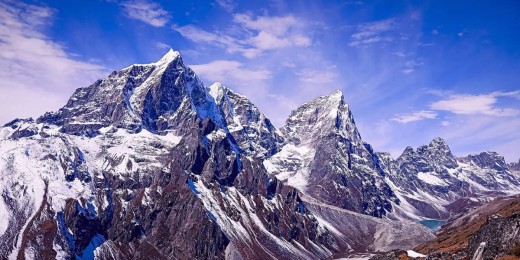
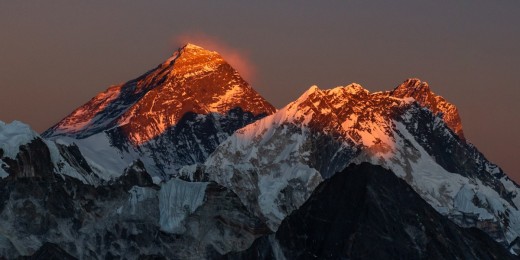
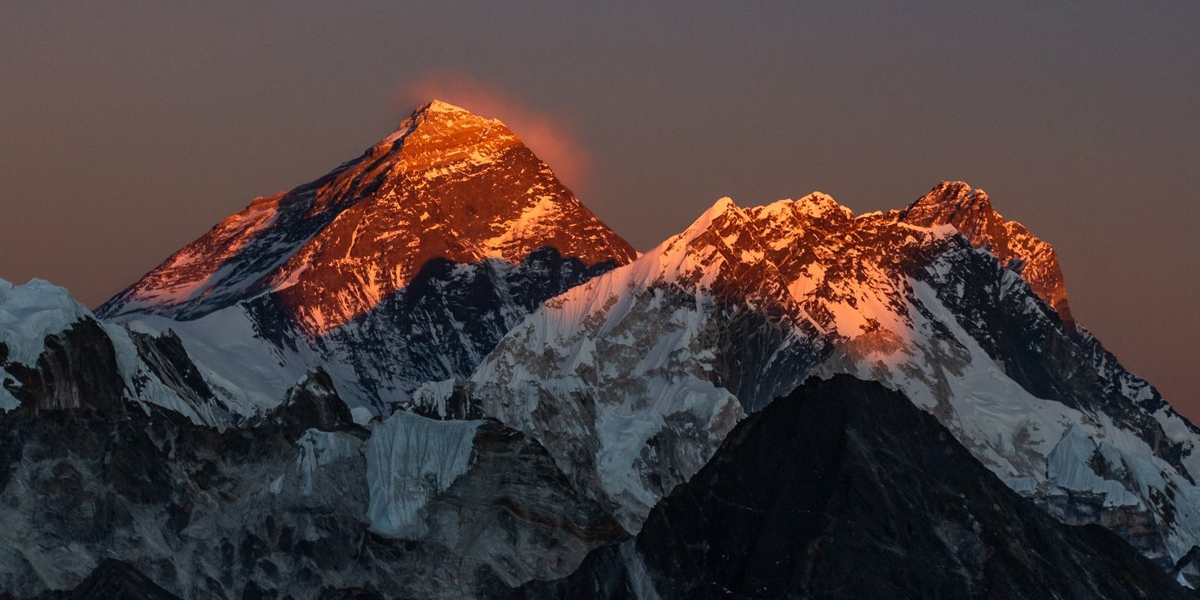
Spring is one of the most popular and reliable seasons for the Everest Base Camp trek. As winter ends, temperatures slowly rise and trekking conditions improve. Mornings are often clear, offering beautiful views of Everest, Nuptse, Lhotse and Ama Dablam. Lower sections of the trail are decorated with blooming rhododendron forests, adding color to the journey.
With March approaching, now is the right time to start preparing if you are planning a spring trek. Flights to Lukla, teahouses and permits begin to fill up as demand increases. Early preparation allows you to train your body for long walking days and altitude gain. This is also the best time to test your trekking boots, arrange proper clothing, and finalize your itinerary.
Daytime temperatures in spring are comfortable for walking, especially at lower elevations. Nights remain cold at higher altitudes, but proper layering keeps conditions manageable. Because this season overlaps with the Everest climbing season, the trails are lively and full of energy. Planning ahead helps you enjoy the season without facing accommodation or flight issues.
Autumn Season: September to November
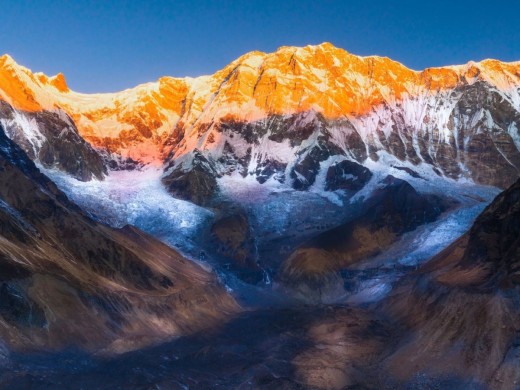
Autumn is often considered the best overall season for the Everest Base Camp trek. After the monsoon ends, the air becomes clean and fresh, creating excellent visibility. Mountain views during this time are sharp and dramatic, making it a favorite for photographers and first-time trekkers.
Temperatures are stable, with pleasant days and cold but manageable nights. The weather is more predictable compared to other seasons, which reduces the chance of flight cancellations to Lukla. Trails are busy, but usually less crowded than peak spring weeks.
For trekkers who want the best balance of weather, views, and safety, autumn is a strong choice. It is especially suitable for those with limited holiday time who want fewer delays and smoother logistics.
Winter Season: December to February
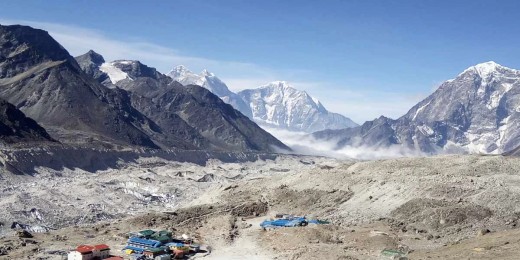
Winter trekking to Everest Base Camp is possible, but it requires strong preparation. Temperatures drop significantly, especially at night. Snow can cover trails and increase difficulty, particularly at higher elevations like Gorakshep and Kala Patthar.
The biggest advantage of winter is the quiet trail. There are far fewer trekkers and teahouses are less crowded. On clear days, mountain views can be stunning, with crisp skies and dramatic landscapes.
However, extreme cold, shorter daylight hours, and the possibility of heavy snowfall make winter more suitable for experienced trekkers or those comfortable in harsh conditions. Proper gear and flexibility are essential during this season.
Monsoon Season: June to August
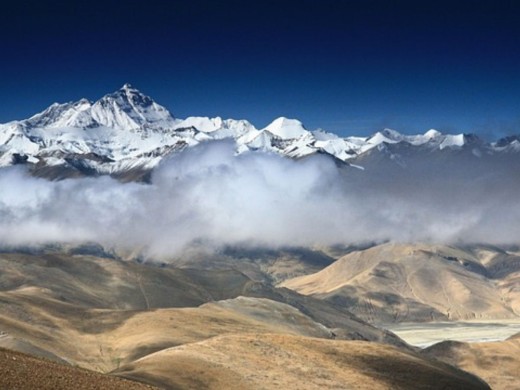
Monsoon is generally the least recommended season for the Everest Base Camp trek. Heavy rain affects lower regions, making trails muddy and slippery. Clouds often block mountain views and humidity can make trekking uncomfortable.
Flights to Lukla are frequently delayed or canceled due to poor visibility. Leeches are common at lower altitudes, and wet conditions increase the risk of landslides in some areas.
That said, the trail is very quiet during monsoon. Late August can sometimes offer short periods of clear weather. This season is only recommended for trekkers with flexible schedules and prior high-altitude trekking experience.
Which Season Is Best for You
The best season depends on your priorities. If you want clear views, social trails and reliable conditions, spring and autumn are the top choices. If you prefer solitude and do not mind cold temperatures, winter can be rewarding. Monsoon is best avoided unless you fully understand the risks.
Future trekkers should also consider fitness level, time availability and comfort with crowds or cold weather. No matter the season, proper planning, training and realistic expectations are key to a successful Everest Base Camp trek.
Choosing the Right Season for You
The Everest Base Camp trek is a once-in-a-lifetime experience and choosing the right season makes it even more memorable. With March approaching, spring trekkers should begin preparing now to secure flights, permits and accommodation. Early planning allows you to focus on the journey itself, not last-minute stress.
Whichever season you choose, preparation is the real key. When done right, the trail to Everest Base Camp rewards you with unforgettable views, strong connections and a deep sense of achievement.