Kilimanjaro Complete Trek Guide 2026-Machame Route


Kilimanjaro Complete Trek Guide 2026-Machame Route
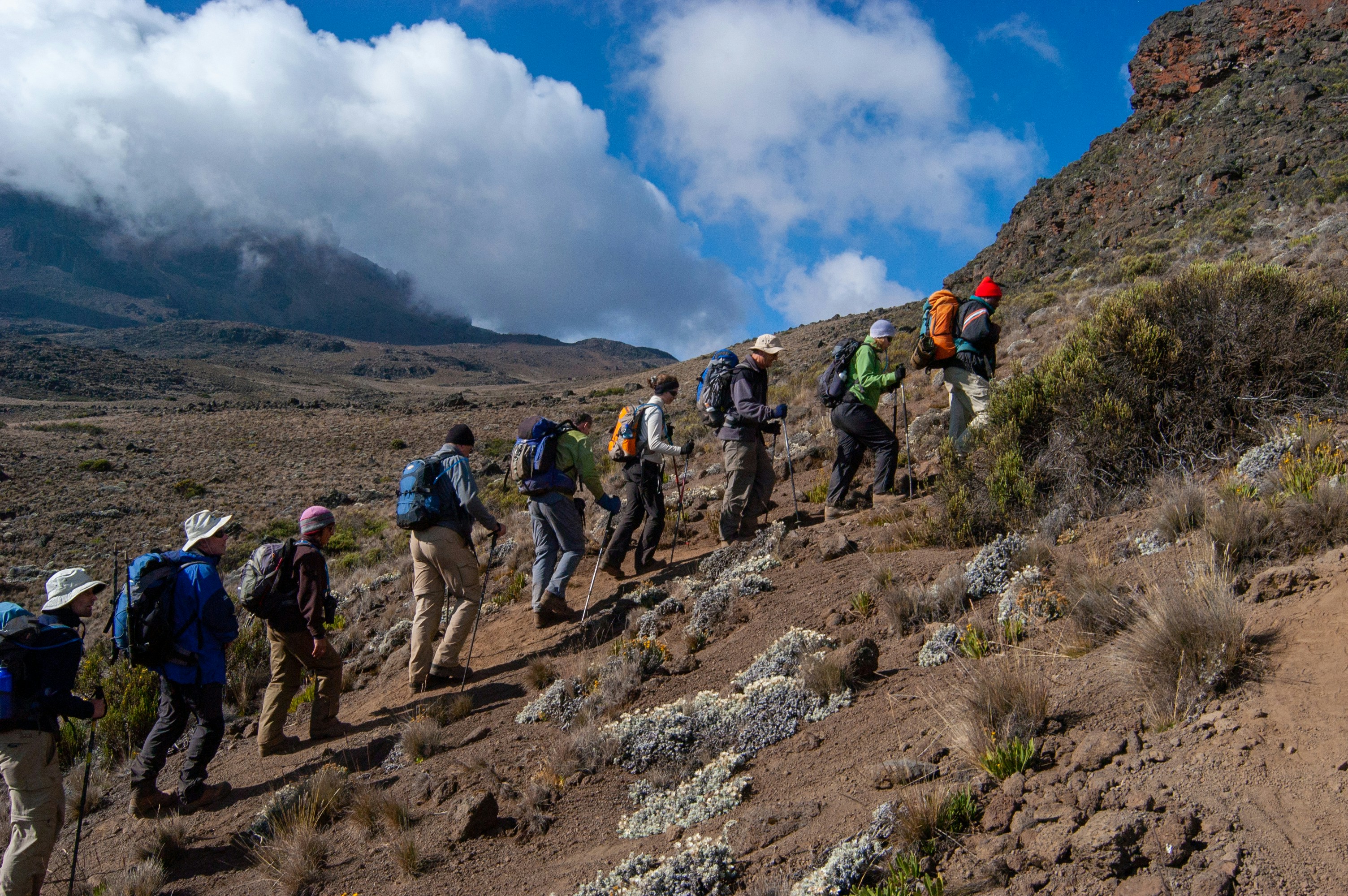
Climb Africa’s highest peak via the scenic Machame Route on this 7-day adventure. Known for its lush forests, moorlands, and panoramic summit views, this trek is ideal for adventure seekers and nature lovers.
Major Attractions
- Lush Rainforests: Dense tropical forests full of exotic plants and birds.
- Shira Plateau: Open moorlands offering panoramic views of Kibo Peak.
- Barranco Wall: Iconic scramble providing adventure and scenic vistas.
- Lava Tower: Unique volcanic rock formation at 4,600 m.
- Alpine Desert: Stunning rocky landscapes before the summit.
- Uhuru Peak Sunrise: Rewarding sunrise view from Africa’s highest point (5,895 m).
- Diverse Flora and Fauna: Unique ecosystems along the route, including rare highland plants.
Best Time to Trek
- June – October: Dry season with clear skies and comfortable temperatures.
- December – February: Dry season with colder nights, fewer crowds.
- Avoid: March–May (long rains) and November (short rains).
Trek Difficulty
- Level: Moderate to strenuous
- Factors: High altitude, long trekking days (up to 16 hours), steep terrain.
Success Tip: Gradual acclimatization is crucial; Machame Route has a higher summit success rate due to slower ascent.
Weather and Climate
- Rainforest (1,800–2,800m): Warm and humid, occasional rain.
- Moorlands & Alpine Desert (3,000–4,500m): Dry, cold nights, sunny days.
- Summit Zone (4,500–5,895m): Extremely cold, potential snow, strong winds, freezing nights.
- Packing Tip: Layering is essential; bring waterproof and windproof gear.
Preparation Tips
- Train on hills, stairs, or treadmill for endurance.
- Do long hikes with a backpack to simulate trekking conditions.
- Acclimatize gradually and stay hydrated.
- Avoid alcohol and heavy meals before trekking.
- Consult a physician for high-altitude readiness.
Accommodation in City
- Moshi: Comfortable hotels with Wi-Fi, hot water, and meals.
- Options: Budget lodges, standard hotels, luxury hotels.
Accommodation During Trek
- Camps: Well-equipped tents with sleeping pads, tables, and chairs.
- Facilities: Dining tent, kitchen tent, and shared portable toilets (optional private toilets available).
Hotel Upgrade Option
- Luxury hotels in Moshi: Options with air conditioning, private bathroom, Wi-Fi, and spa facilities.
- Pre/Post Trek: Perfect for rest and relaxation before or after your climb.
Transportation Details
- Airport Transfers: Kilimanjaro International Airport (JRO) to Moshi hotels.
- Trek Transfers: Moshi to Machame Gate and return from Mweka Gate.
- Included: Private vehicles .
Permits and Entrance Fees
- Kilimanjaro National Park Entry Fees
- Camping Fees for all campsites
- Rescue and Environmental Fees
- Park registration at Machame Gate
Internet & Electricity / Phone Access
- City: Full mobile coverage and Wi-Fi at hotels in Moshi.
- During Trek: Very limited mobile coverage; satellite phones optional.
- Electricity: Charging facilities in camps are limited; power banks recommended.
Meals and Dining on Trek
- 3 hot meals daily: breakfast, lunch, dinner.
- Balanced nutrition: carbohydrates, proteins, fruits, and snacks.
- Special diets (vegetarian/vegan) can be accommodated with advance notice.
Drinking Water on Trek
- Boiled, filtered, or purified water provided at camps.
- Tip: Bring water bottles and purification tablets for hiking days.
Team Info
- Professional, English-speaking guides
- Trained porters and cook
- Daily health checks and oxygen support available
Trekking Equipment
- Provided: Tents, sleeping pads, dining tents, chairs, cooking gear
- Bring: Warm clothing, trekking boots, trekking poles, headlamp, gloves, hat, sunglasses, sunscreen
Know About High Altitude Sickness (AMS)
- Symptoms: headache, nausea, dizziness, fatigue
- Prevention: gradual ascent, hydration, medication if prescribed
- Emergency: guides carry oxygen and can evacuate if necessary
Why Choose Everest View Treks & Expedition ?
- Experienced guides and porters
- High summit success rate due to careful acclimatization
- Quality camping equipment and support
- Safe and organized trekking experience
Who Can Participate?
- Healthy individuals aged 12–60
- Good physical fitness level required
- No technical climbing experience needed
Short Itinerary of Kilimanjaro Trek Via Machame Route (Summary)
Day 0: Arrival in Moshi
Day 1: Machame Gate – Machame Camp
Day 2: Machame Camp – Shira Camp
Day 3: Shira – Lava Tower – Barranco Camp
Day 4: Barranco – Karanga Camp
Day 5: Karanga – Barafu Camp
Day 6: Barafu – Uhuru Peak – Mweka Camp
Day 7: Mweka Camp – Mweka Gate – Moshi / Departure
Health and Awareness
- Consult a doctor before high-altitude trekking
- Maintain hydration and nutrition
- Be aware of altitude-related risks
How to Reach Tanzania
- Fly: Kilimanjaro International Airport (JRO)
- Transfer: Private vehicles or shuttle to Moshi (approx. 1 hour)
Travel Insurance
- Mandatory for all trekkers
- Must cover high-altitude trekking, medical evacuation, and accidents
Tipping Culture
- Tips are appreciated for guides, porters, and cook
- Approx. $150–$200 per trek group suggested
Booking and Cancellation Policy
- 10% deposit to confirm booking
- Balance due 20 days before trek
- Cancellation fees vary by notice period; refundable if trek is canceled due to weather or permits
Fixed Departure Dates
| Trip Date | Seats Remaining | |
|---|---|---|
| October 1 - October 8 | 15 Seats Left | Book Now |
Itinerary
Arrival in Tanzania
- Activity: Arrive at Kilimanjaro International Airport. Meet your representative and transfer to your hotel in Moshi for a pre-trek briefing.
- Overnight: Hotel in Moshi
- Highlights: Check your gear, finalize preparations, and rest well for the climb ahead.
Drive from Moshi to Machame Gate (1,800m) and Trek to Machame Camp (3,000m)
- Distance: 11 km (7 miles)
- Elevation Gain: 1,200 m (3,937 ft)
- Trekking Time: 5–7 hours
- Overview: Begin with a scenic drive to Machame Gate. Register, then start trekking through lush rainforest. Gradually ascend to Machame Camp.
- Overnight: Machame Camp
- Highlights: Dense rainforest, exotic flora, first exposure to Kilimanjaro’s natural beauty.
Trek from Machame Camp (3,000m) to Shira Camp (3,850m)
- Distance: 5 km (3 miles)
- Elevation Gain: 850 m (2,789 ft)
- Trekking Time: 4–6 hours
- Overview: Start with a short, steep ascent out of the rainforest into open moorlands. Trek to Shira Camp with views of Kibo Peak and Shira Plateau.
- Overnight: Shira Camp (Shira Cave Camp)
- Highlights: Moorland landscapes, panoramic mountain views.
Shira Camp (3,850m) – Lava Tower (4,600m) – Barranco Camp (3,900m)
- Distance: 10 km (6 miles)
- Elevation Gain: 750 m to Lava Tower, then descent 700 m to Barranco Camp
- Trekking Time: 6–8 hours
- Overview: Acclimatization day. Trek to Lava Tower (4,600 m) for lunch, then descend to Barranco Camp to adjust to altitude.
- Overnight: Barranco Camp
- Highlights: Lava Tower, altitude acclimatization, breathtaking highland scenery.
Barranco Camp (3,900m) – Karanga Camp (4,200m)
- Distance: 5 km (3 miles)
- Elevation Gain: 300 m (984 ft)
- Trekking Time: 4–5 hours
- Overview: Climb the famous Barranco Wall, then trek through Karanga Valley to Karanga Camp, a shorter day to aid acclimatization.
- Overnight: Karanga Camp
- Highlights: Barranco Wall scramble, scenic valley and mountain views.
Karanga Camp (4,200m) – Barafu Camp (4,673m)
- Distance: 4 km (2.5 miles)
- Elevation Gain: 473 m (1,552 ft)
- Trekking Time: 3–4 hours
- Overview: Trek across rocky terrain to Barafu Camp, the staging point for the summit push. Rest and prepare for the nighttime ascent.
- Overnight: Barafu Camp
- Highlights: Rocky alpine landscapes, summit preparation.
Barafu Camp (4,673m) – Uhuru Peak (5,895m) – Mweka Camp (3,080m)
- Distance: 17 km (11 miles)
- Elevation Gain: 1,222 m (4,009 ft) to summit, descent 2,815 m (9,235 ft) to Mweka Camp
- Trekking Time: 12–16 hours
- Overview: Start the summit trek around midnight. Ascend steep scree slopes to Stella Point, then Uhuru Peak. Descend to Mweka Camp after enjoying the sunrise.
- Overnight: Mweka Camp
- Highlights: Sunrise at Uhuru Peak, breathtaking summit experience.
Mweka Camp (3,080m) – Mweka Gate (1,640m) and Drive to Moshi
- Distance: 10 km (6 miles)
- Elevation Loss: 1,440 m (4,724 ft)
- Trekking Time: 3–4 hours
- Overview: Descend through lush rainforest to Mweka Gate. Receive your summit certificate, celebrate, and transfer back to Moshi.
- Overnight: Hotel in Moshi / Departure
- Highlights: Farewell celebration, certificate of achievement.
Departure Day
Travel from Moshi to Kilimanjaro International Airport and depart with unforgettable memories and the satisfaction of achieving a remarkable adventure.
Includes/Excludes
- Two night Accomodation in Moshi (Before and After Trek)
- Airport Transfers and All transportation to and from the mountain.
- 3 Hot Meals a Day (Breakfast ,Lunch ,Dinner )
- Professional English Speaking Guide ,trained Porters and Cook.
- Quality Tents,Table ,Chair,Sleeping pads,Cooking equipment
- Kilimanjaro National Park entry fees, camping fees, normal rescue fees.
- Summit certificates, daily health checks, and emergency oxygen
- Sleeping bags, trekking poles, personal clothing
- Health and travel insurance (mandatory)
- Tips: Gratuities for guides, porters, and cooks
- Private Toilet : Portable toilet and special porter carry it and take care.
Photo Gallery