Chomolungma Meaning: The Sacred Name of Mount Everest and Its Cultural Significance
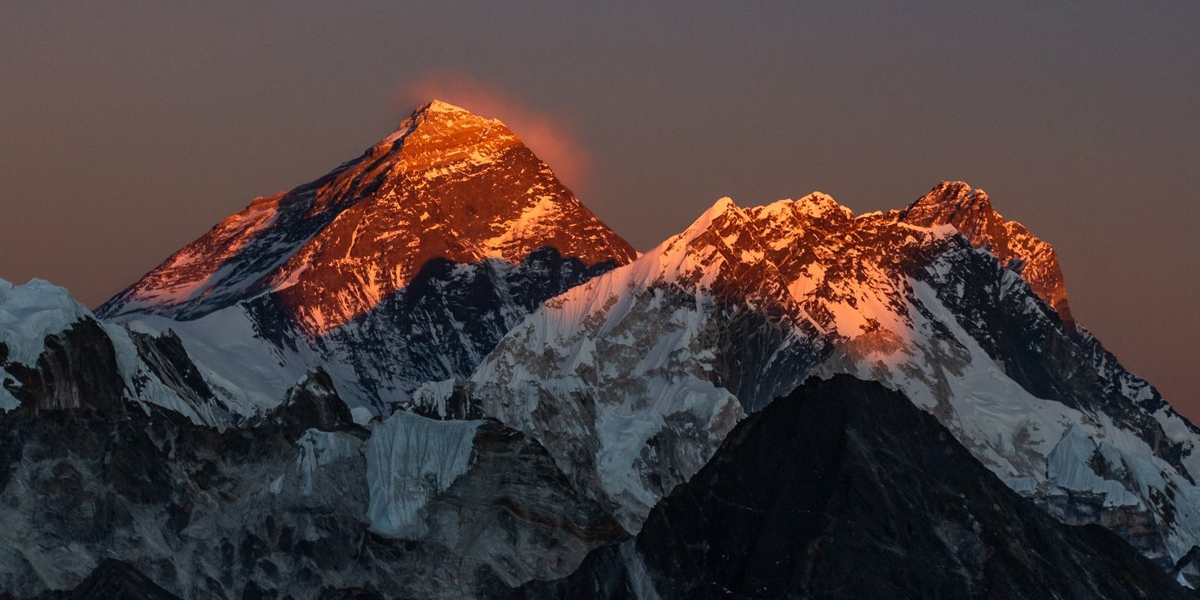
Long before climbers carried oxygen tanks and cameras to the top of the world, the highest mountain on Earth already had a name filled with devotion. That name was not Mount Everest. It was Chomolungma.
Today, millions know the peak as Mount Everest. But for the people who have lived in its shadow for centuries, the mountain has always been more than a record-breaking summit. To them, it is sacred. To them, it is Chomolungma.
In this article, we will explore the true Chomolungma meaning, where the name comes from and why it carries such deep cultural and spiritual importance.
What Does Chomolungma Mean?
Let’s start with the most important question: what does Chomolungma mean?
The word Chomolungma comes from Tibetan language. It is often translated as “Mother Goddess of the World.” Some scholars also interpret it as “Holy Mother” or “Goddess Mother of the Earth.” No matter the slight variation, the core idea is clear. The mountain is seen as a powerful female divine figure.
The name is made up of two parts. “Chomo” means goddess or holy mother. “Lungma” can mean valley or world. When combined, it reflects reverence and spiritual respect. This is not just a geographical label. It is a name filled with belief.
Understanding the Chomolungma's meaning helps us see that the mountain was never viewed as something to conquer. It was something to honor.
The Tibetan Origin of Chomolungma
The name Chomolungma has deep roots in Tibetan culture. Long before Western explorers mapped the Himalayas, Tibetan communities already recognized and named the mountain.
For them, mountains were not just piles of rock and ice. They were homes of deities. Many peaks across the Himalayas are believed to be protected by spiritual beings. Chomolungma stands at the center of this belief system.
Tibetan Buddhism teaches respect for nature. Mountains, rivers, forests and sky are all connected to life and karma. So when we talk about the sacred name of Mount Everest, we are really talking about a worldview that sees nature as alive and powerful.
The name Chomolungma reflects this worldview perfectly.
Chomolungma vs Mount Everest: How the Name Changed
The comparison between Chomolungma vs Mount Everest is not just about language. It is about history and power.
In the 19th century, British surveyors were mapping the Indian subcontinent. When they measured the world’s highest peak, they named it after Sir George Everest, a British surveyor general. That is how the name Mount Everest became official in English.
But the mountain already had names. In Tibet, it was Chomolungma. In Nepal, it is known as Sagarmatha, which means “Forehead of the Sky.”
The British naming system often ignored local names. This was common during colonial times. As a result, Mount Everest became the globally recognized name, even though it was not the original one.
When we look at Chomolungma vs Mount Everest, we see two different perspectives:
- Chomolungma reflects spirituality, culture and local identity
- Mount Everest reflects exploration, measurement and Western history
Both names exist today. But understanding the difference helps us respect the deeper story behind the mountain.
Why Is Chomolungma Called the Mother Goddess of the World?
Calling the highest mountain on Earth the “Mother Goddess of the World” is not random. It reflects how people relate to the mountain.
In many Himalayan traditions, mountains are seen as protectors. They provide water through glaciers. They shape the weather. They influence farming and survival. In that sense, they give life.
The idea of a mother goddess connects to nurturing and power at the same time. A mother protects, but she is also strong and commanding. Chomolungma represents both beauty and danger. She can bless, but she can also punish.
Climbers who attempt to summit the peak often take part in a puja ceremony before starting their climb. A lama offers prayers and blessings to ask for safe passage. This practice shows that even modern expeditions still respect the sacred identity of Chomolungma.
The Chomolungma meaning is therefore not symbolic only. It continues to shape real traditions today.
The Spiritual Importance to Sherpa and Tibetan Communities
For Sherpa and Tibetan communities, Chomolungma is not just scenery. It is part of daily life, belief and identity.
The Sherpa people, who are known worldwide for guiding climbers in the Everest region, have strong spiritual ties to the mountain. Many believe that disrespecting the mountain can bring misfortune.
This belief influences behavior. Climbers are encouraged to avoid loud arguments, waste or disrespectful acts in the high mountains. The environment is treated as sacred ground.
Death on the mountain is also viewed through a spiritual lens. In Buddhist belief, life and death are part of a cycle. The mountain is not only a physical challenge. It is a place where human limits meet nature’s power.
If you would like to explore this spiritual depth in greater detail, you can read our in-depth feature, The Sacred Majesty of Chomolungma, which looks closely at the mountain’s sacred atmosphere and cultural reverence.
Understanding the Chomolungma meaning allows us to appreciate why these traditions continue, even in a world driven by adventure tourism.
Language Shapes Respect
Names matter. When we call the mountain Mount Everest, we focus on its height and climbing history. When we call it Chomolungma, we focus on its sacred identity.
Language shapes how we think. If a mountain is called a goddess, we are less likely to treat it carelessly. If it is just a peak with a record-breaking height, we may see it as a goal to achieve.
This difference becomes important today. The mountain faces challenges like overcrowding and environmental damage. Respect for the sacred name of Mount Everest can encourage more responsible behavior.
Learning what does Chomolungma mean is not only about translation. It is about perspective.
Why the Original Name Still Matters Today
Some people may wonder if it really matters what we call the mountain. After all, Mount Everest is the globally accepted name.
But original names carry history. They reflect the voices of people who lived there long before international attention arrived. Keeping the name Chomolungma alive honors Tibetan heritage and Himalayan identity.
It also reminds travelers that they are entering a cultural space, not just a tourist destination.
In recent years, there has been growing awareness about respecting indigenous names around the world. Chomolungma stands as an important example of why that respect matters.
More Than the Highest Peak
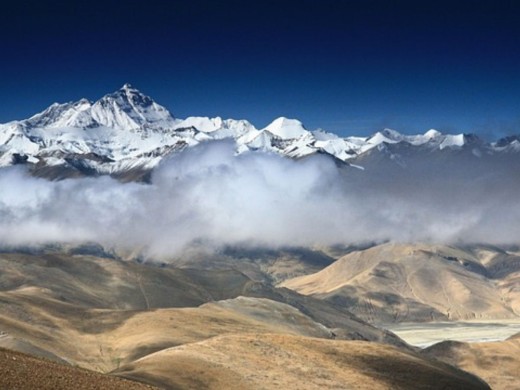
Chomolungma is 8,848.86 meters tall. It is the highest point on Earth above sea level. But height is only part of the story.
The mountain holds myths, prayers and generations of belief. It has shaped trade routes, monasteries and local economies. It influences weather patterns and water systems across Asia.
When climbers stand at the summit, they may celebrate personal achievement. But beneath their boots lies a mountain that has been worshipped for centuries.
The Chomolungma meaning reminds us that this peak is not just a challenge to overcome. It is a symbol of life, power and spiritual connection.
Conclusion: A Name That Carries Respect
Chomolungma is more than an ancient word. It is a reminder that nature deserves reverence.
Understanding the Chomolungma meaning helps us see the mountain through local eyes. It teaches us that the sacred name of Mount Everest carries culture, belief and identity. When we compare Chomolungma vs Mount Everest, we see two stories. One is about exploration and records. The other is about devotion and respect.
Both names exist today. But the original name connects us to the people who have always called the Himalayas home.
In the end, the way we name something shapes the way we treat it. Calling the mountain Chomolungma invites us to see it not as something to conquer, but as something to honor.