
Early morning scenic drive from Kathmandu to Pokhara (822m) by private tourist vehicle, taking approximately 6–7 hours. Enjoy views of rivers, terraced fields and local villages along the way. Arrive in Pokhara, a charming lakeside city and relax by Phewa Lake.
North Annapurna Base Camp Trek

Start atKathmandu

DifficultyModerate

Ends atKathmandu

ActivityTrekking

TransporationPrivate Transportation

AccomodationTea House & Tented Camps

Duration10 Days

MealsFull board meals (Breakfast,Lunch,Dinner)

Max Altititude4,190m

Best Seasons(March-May)(Sep-Nov)
Overview
An Off-the-Beaten-Path Himalayan Adventure
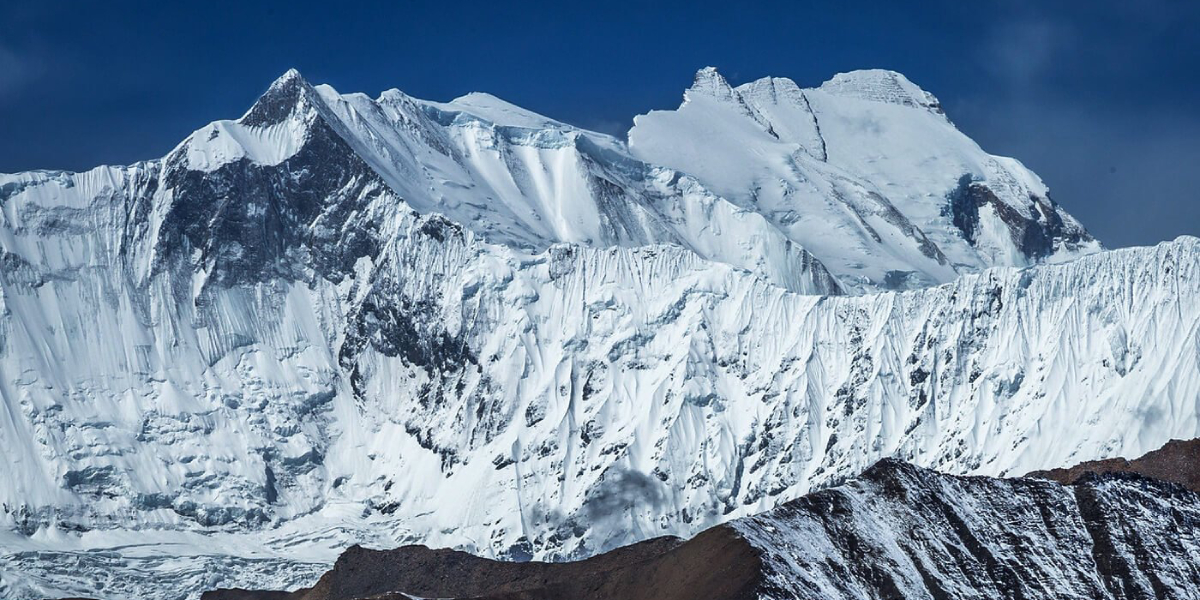
Step away from the crowds and into the heart of the Annapurna massif on the North Annapurna Base Camp (NABC) trek. This less-traveled, remote route is a true wilderness experience, offering unparalleled views of Annapurna I (8,091m), the world's 10th highest peak and its formidable northern face. Unlike the popular Southern Annapurna Base Camp trek, the North ABC trail follows the historic path of Maurice Herzog, the first climber to successfully summit Annapurna I in 1950. This trek is ideal for those seeking a genuine Himalayan adventure with a strong sense of exploration and solitude.
Key Trek Facts
- Trek Duration: 7 to 12 days (depending on itinerary and starting point)
- Maximum Altitude: 4,190m / 13,746 ft (North Annapurna Base Camp)
- Difficulty: Moderate to Challenging
- Trek Type: Tea House & Camping (a mix of both, with more camping in higher sections)
- Best Seasons: Spring (March–May) and Autumn (September–November)
- Permits Required: Annapurna Conservation Area Permit (ACAP) and Trekkers' Information Management System (TIMS) Card
Why Choose the North Annapurna Base Camp Trek?
While the Southern Annapurna Base Camp trek is famous for its views and well-established trail, the North ABC trek offers a different kind of reward:
- Remote & Unspoiled: Experience true wilderness. The trail is far less crowded, providing a peaceful and intimate trekking experience.
- Historical Significance: Walk in the footsteps of mountaineering legends like Maurice Herzog, the first to conquer an 8,000m peak.
- Unique Scenery: Trek through diverse landscapes, from lush rhododendron and bamboo forests to high alpine meadows and a surreal, barren landscape near the base camp. Highlights include Panchakunda Lake and a captivating waterfall.
- A True Adventure: The terrain is rugged and demands good physical fitness and a spirit of adventure. This is not a tourist trail but a raw, authentic trekking route.
Trek Difficulty and Physical Preparation
The North Annapurna Base Camp trek is rated moderate to challenging. It is not a highly technical climb but requires strong fitness and mental endurance:
- Daily Walking: 5–7 hours per day over rugged terrain.
- Altitude: Up to 4,190m. Proper acclimatization is crucial to prevent Acute Mountain Sickness (AMS).
- Terrain: Steep ascents, rocky paths and some sections with stone staircases, particularly in lower elevations.
Preparation: Focus on cardiovascular endurance (running, cycling, swimming) and strength training for legs and core. Previous trekking experience helps but is not mandatory.
Required Permits
- Annapurna Conservation Area Permit (ACAP)
- Cost (Non-SAARC Nationals): NPR 3,000 (~$25 USD)
- Cost (SAARC Nationals): NPR 1,000 (~$8 USD)
- Trekkers' Information Management System (TIMS) Card
- Cost (Non-SAARC Nationals): NPR 2,000 (~$15 USD) solo, NPR 1,000 group
- Cost (SAARC Nationals): NPR 1,000 (~$8 USD)
Permits can be obtained in Kathmandu at the Nepal Tourism Board office or in Pokhara. Trekking with a licensed guide is highly recommended, as the trail is not well-marked.
Accommodation and Food
This is primarily a camping trek, as there are very few tea houses beyond the initial villages. You will stay in tents, and your trekking crew will prepare meals. This is part of the raw, authentic experience that makes the North ABC trek special.
Essential Packing List
- Clothing: Thermal layers, down jacket, waterproof/windproof shell, trekking pants, t-shirts, warm socks
- Footwear: Sturdy, waterproof trekking boots with ankle support
- Gear: Sleeping bag, trekking poles, headlamp, water bottles, day pack
- Personal Items: Sunscreen, hat, sunglasses, first-aid kit, personal toiletries
Embark on the North Annapurna Base Camp trek for an unforgettable journey into a secluded corner of the Himalayas. This is more than a trek; it's a deep dive into the heart of Nepal's pristine and majestic landscape.
Highlighted Essential Parts:
- North Annapurna Base Camp (NABC) trek – remote, historic and less crowded.
- Maximum Altitude: 4,190m / 13,746 ft – requires proper acclimatization.
- Historical Significance – walk in Maurice Herzog’s footsteps.
- Camping experience with a trekking crew – raw and authentic.
- Best seasons: Spring and Autumn – optimal trekking conditions.
Fixed Departure Dates
| Trip Date | Seats Remaining | |
|---|---|---|
| October 1 - October 8 | 10 Seats Left | Book Now |
Itinerary
Day 1
Arrive in Kathmandu (1,375m)
Arrive at Tribhuvan International Airport (TIA) in Kathmandu (1,375m). Our representative will meet you and transfer you to your hotel. In the evening, attend a trip briefing with your guide, followed by a traditional Nepali welcome dinner.
Day 2
Drive from Kathmandu to Pokhara (822m)
Day 3
Drive to Tatopani (1,243m) and Trek to Upper Narchyang (2,140m)
Morning drive to Tatopani (1,243m), known for its natural hot springs. Begin trekking with a steep but rewarding climb to Upper Narchyang (2,140m), a traditional Magar village rich in culture and hospitality. Overnight stay in a local teahouse.
Day 4
Trek from Upper Narchyang to Chhotepa (2,370m)
Trek from Upper Narchyang to Chhotepa (2,370m) through rhododendron forests, waterfalls, and small streams. The trail becomes more remote and peaceful, away from busy routes. Overnight stay in a campsite as teahouses are limited in this region.
Day 5
Trek from Chhotepa to Sandikharka (3,165m)
Trek from Chhotepa to Sandikharka (3,165m) along rugged mountain trails and cross the Humkhola. As you gain altitude, the landscape opens up with impressive high-altitude scenery. Enjoy a remote camping experience surrounded by pristine natural surroundings.
Day 6
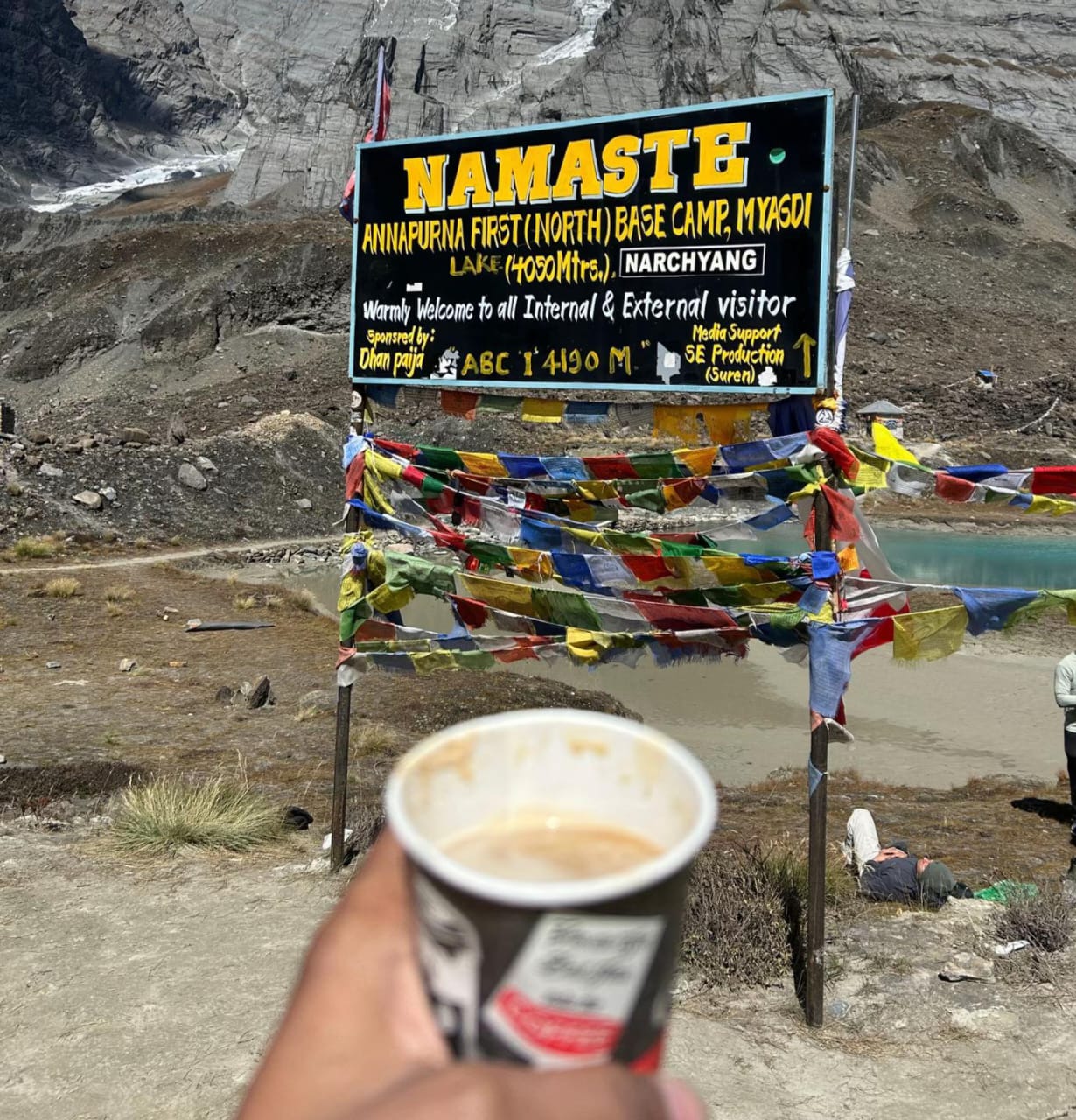
Trek from Sandikharka to North Annapurna Base Camp (4,190m)
Trek from Sandikharka to North Annapurna Base Camp (4,190m) on the most challenging and rewarding day of the journey. The trail involves a steep climb through rocky and varied terrain. Pass through Gupha Phat and Bhusket Mela before reaching the base camp. Upon arrival, witness the magnificent northern face of Annapurna I (8,091m) along with surrounding peaks. Overnight stay at North Annapurna Base Camp, one of the true highlights of the trek.
Day 7
Explore North Annapurna Base Camp and Cross Thulo Bugin Pass (4,310m) to Sandikharka
Spend the morning exploring the North Annapurna Base Camp area including Panchakunda Lake and its dramatic surroundings. Trek across Thulo Bugin Pass (4,310m) and enjoy wide Himalayan views from the top. Descend back to Sandikharka for an overnight stay at a campsite.
Day 8
Trek from Sandikharka to Ghasa (2,010m)
Trek from Sandikharka to Ghasa (2,010m) on a long downhill route through forests and alpine meadows. The trail gradually descends into the Kali Gandaki Valley. Arrive at the beautiful village of Ghasa and stay overnight in a local teahouse.
Day 9
Drive from Ghasa to Pokhara
Enjoy a scenic jeep drive from Ghasa to Pokhara following the Kali Gandaki River. The route passes waterfalls, terraced farmlands and traditional villages along the way. Arrive in Pokhara and relax while enjoying the peaceful lakeside atmosphere.
Day 10
Drive from Pokhara to Kathmandu
Drive from Pokhara to Kathmandu, taking approximately 6–7 hours through scenic countryside. In the evening, enjoy a farewell dinner along with a cultural program to celebrate the completion of your journey.
Day 11
Final Departure from Kathmandu
Your journey in Nepal comes to an end today. Our team will assist you with the airport transfer for your onward flight. We hope you leave with wonderful memories of the trek and your time in Nepal.
Includes/Excludes
- Airport pick-up and drop-off in Kathmandu on arrival and departure
- Hotel in Kathmandu on a bed and breakfast basis
- Teahouse accommodation on trekking days
- Camping in remote sections where teahouses are limited
- English-speaking, licensed trekking guide
- Porter(s) to carry personal gear (typically 1 porter per 2 trekkers)
- Staff wages, accommodations, meals and insurance
- All required trekking permits (Annapurna Conservation Area entry if applicable)
- TIMS (Trekkers’ Information Management System) card or equivalent
- Basic first aid kit and emergency support from guides
- International flight tickets to/from Nepal
- Nepal entry visa fee
- Travel insurance (must cover emergency evacuation and high-altitude rescue)
- Lunch and dinner in Kathmandu (outside trek meals)
- Beverages including bottled water, soft drinks, alcohol
- Personal trekking equipment (sleeping bag, trekking poles, down jacket, etc.)
- Snacks, hot showers, Wi-Fi, battery charging fees at teahouses
- Tips/gratuities for guides, porters, drivers and support staff
- Costs due to itinerary changes, weather, flight delays, landslides or unforeseen circumstances
Photo Gallery
Packing List for North Annapurna Base Camp Trek
- Waterproof and windproof jacket
- Down jacket or insulated jacket
- Trekking shirts or base layers
- Fleece or warm mid layer
- Trekking pants
- Thermal underwear
- Waterproof trekking pants
- Warm hat or beanie
- Sun hat or cap
- Buff or neck gaiter
- Gloves and insulated gloves
- Comfortable underwear
- Trekking socks
- Warm socks for nights
- Sturdy trekking boots with ankle support
- Lightweight shoes or sandals for camp and teahouses
- Sleeping bag suitable for sub zero temperatures
- Sleeping bag liner optional
- Backpack or duffel bag
- Daypack
- Trekking poles
- Headlamp or flashlight with spare batteries
- Water bottles or hydration bladder
- Sunglasses with UV protection
- Sunscreen and lip balm
- Quick dry towel
- Personal toiletries
- Hand sanitizer and wet wipes
- Basic first aid kit
- Personal medications
- Altitude sickness medication if prescribed
- Insect repellent
- Camera or phone with spare batteries
- Power bank
- Notebook and pen
- Earplugs
- Snacks or energy bars
FAQs
This trek is considered challenging. It includes steep ascents, high altitude terrain, remote trails and camping days. It is best suited for trekkers with prior high altitude trekking experience and good physical fitness.
The highest point of the trek is Thulo Bugin Pass at 4,310m. North Annapurna Base Camp sits at 4,190m.
Yes. Camping is required on several nights between Upper Narchyang and Ghasa due to the remote nature of the route. All camping equipment is provided by the trekking team.
Yes, when trekking with experienced guides and proper planning. The route is remote with limited facilities, which is why guided trekking is mandatory for safety and logistics.
Natural water sources are available, but water must be treated before drinking. We recommend carrying purification tablets or a filter.
Price Per Person
USD 699
Package Info