
Menu
+977-9841432897

Mt Pumori Expedition (7,256m)

Kathmandu
Start atKathmandu
Moderate to Hard
DifficultyModerate to Hard
Kathmandu
Ends atKathmandu
Climbing & Trekking
ActivityClimbing & Trekking
Flight & Land Transportation
TransporationFlight & Land Transportation
Tea House & Tented Camps
AccomodationTea House & Tented Camps
35 days
Duration35 days
(Breakfast,Lunch,Dinner) & 3X(Tea or Coffee)
Meals(Breakfast,Lunch,Dinner) & 3X(Tea or Coffee)
7,256m
Max Altititude7,256m
(March-May)(Sep-Nov)
Best Seasons(March-May)(Sep-Nov)

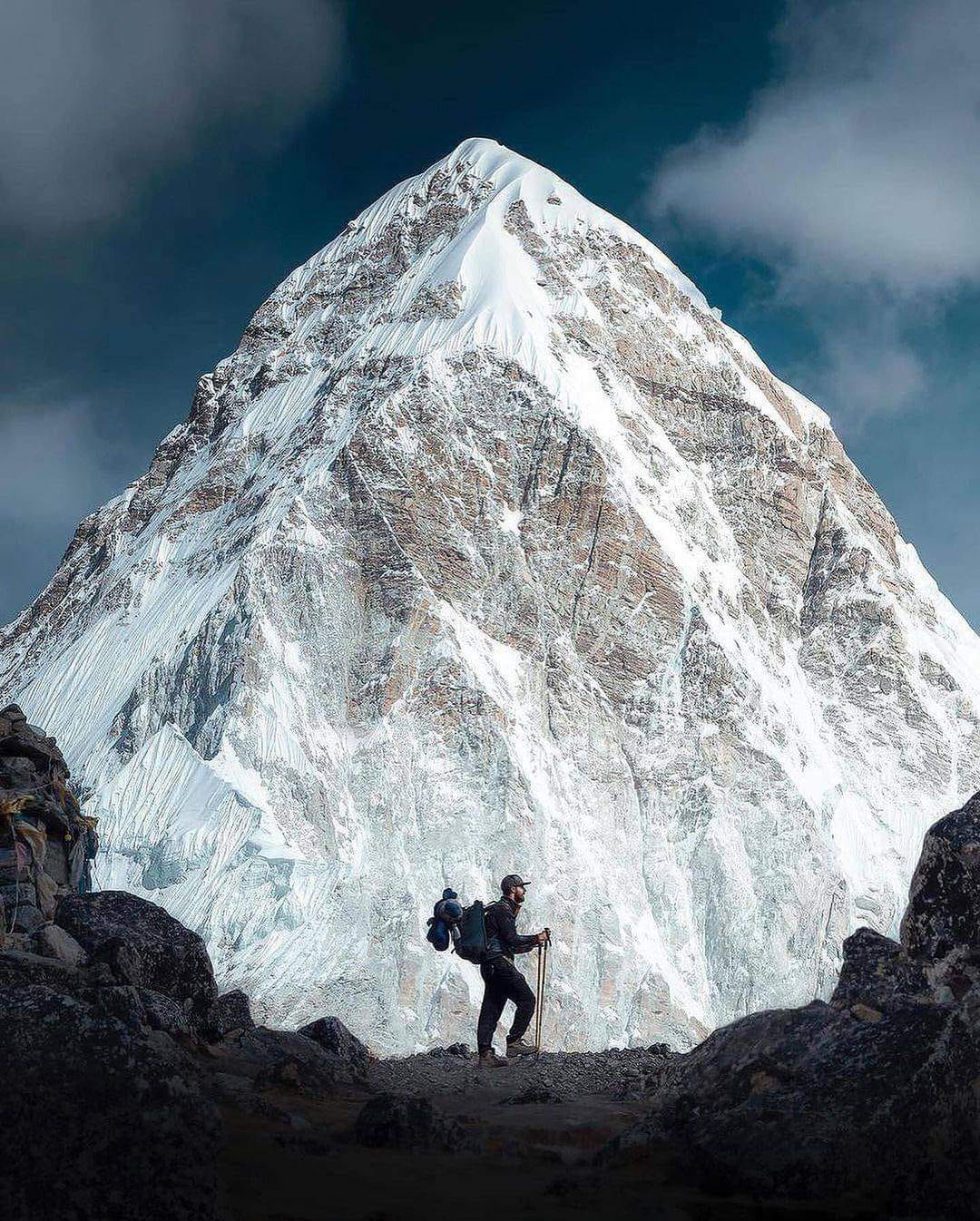
Rising to 7,161 meters in the heart of the Everest region, Mt. Pumori is one of Nepal’s most iconic 7,000-meter peaks. Known for its steep faces and technical sections, it is best suited for experienced climbers who are physically strong and comfortable with advanced mountaineering skills. For many, Pumori is more than a climb. It is a serious stepping stone toward Mt. Everest and other 8,000-meter expeditions.

Located just west of Mt. Everest, Pumori rewards climbers with some of the finest close-up views of Everest, Lhotse, Nuptse and the surrounding Himalayan giants. The mountain was first summited in 1964 by a German-Swiss team. In the Sherpa language, “Pumori” translates to “Unmarried Daughter,” a name that reflects both its beauty and its proud, towering presence beside Everest.


Expedition Overview

The journey begins with a scenic 30-minute flight from Kathmandu to Lukla, the gateway to the Everest region. The landing itself is an unforgettable experience, with dramatic mountain views and the famous short runway at Lukla.

From Lukla, the trek follows the classic Everest trail. The route passes through charming Sherpa villages, suspension bridges draped in prayer flags and ancient monasteries. Climbers gradually gain altitude while trekking through Namche Bazaar, Tengboche, Dingboche and Lobuche before reaching Gorakshep, the final settlement before Everest Base Camp.

From Gorakshep, the expedition heads toward Pumori Base Camp at approximately 5,300 meters. Here, the climbing phase officially begins under the guidance of experienced Sherpa and mountaineering leaders. Several days are spent acclimatizing, conducting technical training and preparing equipment before moving to higher camps.

Climbing Route and Camps

The standard and most popular route to the summit is via the South East Ridge. This route demands strong technical skills, including fixed rope climbing, ice axe techniques and glacier travel.

Pumori Base Camp – 5,300m

Set amidst glaciers and dramatic ice formations, Base Camp offers breathtaking views of Everest and surrounding peaks. This is where climbers rest, acclimatize and prepare for rotations to higher camps.

Camp 1 – 5,700m

Camp 1 is reached after roughly four hours of glacier travel. The route includes navigating crevasses and moderate snow slopes. Fixed ropes are often used for safety.

Camp 2 – 6,200m

From Camp 1, climbers ascend approximately 480 meters, tackling a steep 40 to 60-degree snow wall before reaching a narrow ridge. This section requires solid technical ability and endurance.

Camp 3 – 6,480m

The climb to Camp 3 involves another 450-meter ascent across ice slopes ranging from 30 to 60 degrees. Climbers encounter ice walls, crevasses and exposed sections. This area can be prone to avalanches due to hanging seracs above, so careful timing and coordination are essential.


Summit Push

From Camp 3, the summit push begins in the early hours of the morning. Climbers navigate crevassed terrain and ascend the final steep sections of the Pumori cliff. The final stretch is physically demanding but incredibly rewarding.

Standing on the summit of Mt. Pumori offers one of the most spectacular panoramas in the Himalayas. Mt. Everest feels almost within reach, with Lhotse, Nuptse and the vast Khumbu Glacier stretching below. It is a powerful and unforgettable moment.


Descent and Return

After the summit, climbers carefully descend along the same route back to Base Camp. Following proper rest and pack-up, the team retraces the trekking trail to Lukla. A scenic flight returns you to Kathmandu, marking the completion of a challenging and rewarding Himalayan expedition.


Who Should Join This Expedition?

The Mt. Pumori expedition is designed for experienced climbers with prior high-altitude experience. Participants should be confident using crampons, ice axes, ascenders and fixed ropes. Excellent physical fitness and mental resilience are essential.

For those preparing for larger Himalayan objectives, Pumori offers the perfect blend of technical climbing, high-altitude exposure and breathtaking scenery.

Fixed Departure Dates

Trip DateSeats Remaining 
April 1 - May 510 Seats LeftBook Now

Itinerary

Day 1

Arrival in Kathmandu (1,400m)

Welcome to Nepal. Upon arrival at Tribhuvan International Airport in Kathmandu, our representative will greet you and transfer you to your hotel.

After check-in and some time to rest, you will attend a detailed briefing about the Mt. Pumori expedition. The session covers climbing logistics, safety protocols, equipment checks and final official formalities, including permits and documentation. This is also a good opportunity to meet your expedition leader and fellow climbers.

Overnight stay at the hotel in Kathmandu.

Day 2

Kathmandu Valley Sightseeing

After breakfast, you will set out on a guided tour of the cultural highlights of the Kathmandu Valley. The day includes visits to the historic city of Bhaktapur, known for its well preserved palaces and courtyards and Kathmandu Durbar Square, once the royal palace complex of Nepal’s kings.

You will also explore Pashupatinath Temple, one of the most sacred Hindu temples dedicated to Lord Shiva and Boudhanath Stupa, one of the largest Buddhist stupas in the world. The tour concludes with a visit to Swayambhunath, also known as the Monkey Temple, offering panoramic views over the valley.

In the evening, enjoy a special farewell dinner at a traditional Nepali restaurant, where you can experience local cuisine and cultural performances.

Overnight stay at the hotel in Kathmandu.

Day 3

Fly to Lukla (2,800m) and Trek to Phakding (2,640m)

Early in the morning, transfer to the domestic airport for a scenic flight from Kathmandu to Lukla. The short mountain flight offers spectacular views of the Himalayan range before landing at the famous Tenzing Hillary Airport.

Upon arrival in Lukla, meet the trekking crew and begin your trek toward Phakding. The trail gently descends through traditional Sherpa villages, crossing suspension bridges over the Dudh Koshi River and passing mani walls and prayer wheels along the way.

The walk is relatively easy and serves as a perfect introduction to trekking in the Everest region.

Overnight stay at a tea house in Phakding.

Day 4

Trek to Namche Bazaar (3,446m)

After breakfast in Phakding, begin the trek toward Namche Bazaar, the vibrant trading hub of the Everest region. The trail follows the Dudh Koshi River, crossing several suspension bridges, including the famous Hillary Suspension Bridge.

Entering Sagarmatha National Park, permits are checked before the steady ascent toward Namche begins. The final climb is challenging but rewarding. On clear days, you may catch your first glimpse of Mt. Everest along the way.

After a few hours of uphill trekking, you will arrive at Namche Bazaar, a lively Sherpa town surrounded by towering peaks.

Overnight stay at a tea house in Namche Bazaar.

Day 5

Acclimatization Day in Namche Bazaar (3,446m)

Today is reserved for acclimatization to help your body adjust to the increasing altitude. Rather than resting all day, a short hike to a higher elevation is recommended, followed by a return to Namche for the night.

You may choose to hike toward Thame, a traditional Sherpa village known for its peaceful trails, mountain scenery and ancient monastery. Another popular option is a hike to the Everest View Hotel, one of the highest located hotels in the world, offering breathtaking panoramic views of the Himalayan range.

From the viewpoint, you can enjoy spectacular sights of Mount Everest (8,848m), Lhotse (8,516m), Nuptse (7,855m), Ama Dablam (6,856m), Thamserku (6,723m), Kangtega (6,979m), Kusum Kanguru (6,367m), Kongde Ri (6,011m), Tawoche (6,367m), Cholatse (6,335m), Island Peak (6,179m) and Khumbila (5,761m), revered as the guardian deity of the Khumbu region.

After completing your hike, return to Namche Bazaar to rest and prepare for the next stage of the journey.

Overnight stay at a tea house in Namche Bazaar.

Day 6

Trek from Namche Bazaar to Khumjung (3,890m)

After breakfast in Namche Bazaar, begin a gradual ascent toward the peaceful Sherpa village of Khumjung. The trail climbs gently above Namche, offering sweeping views of the surrounding peaks and valleys.

Along the way, you pass traditional settlements, stone walls carved with Buddhist prayers and grazing yaks. The route provides excellent mountain scenery, including views of Ama Dablam and other Himalayan giants.

Khumjung is one of the largest Sherpa villages in the region and is known for its monastery, school founded by Sir Edmund Hillary and its rich local culture.

Overnight stay at a tea house in Khumjung.

Day 7

Trek from Khumjung to Tengboche Monastery (3,867m)

After breakfast, continue your trek from Khumjung toward the famous Tengboche Monastery. The trail passes through pine forests, yak pastures, and traditional Sherpa villages, offering stunning views of Ama Dablam, Everest, and the surrounding peaks.

Tengboche is home to one of the most important monasteries in the Khumbu region, known for its large Buddha statue and annual Mani Rimdu festival. The location provides breathtaking panoramic views of Mt. Everest, Lhotse, and Ama Dablam, making it a perfect spot for photography and meditation.

Overnight stay at a lodge in Tengboche.

Day 8

Trek from Tengboche to Dingboche (4,347m)

After breakfast, begin the trek from Tengboche to Dingboche. The trail descends slightly through forests before climbing gently toward the Imja Valley, passing through yak pastures and small Sherpa settlements along the way.

Dingboche, located in a wide valley, is an important acclimatization stop before higher altitudes. The village is surrounded by stunning views of Ama Dablam, Lhotse and Island Peak and offers a peaceful setting to rest and prepare for the upcoming ascent.

Overnight stay at a lodge in Dingboche.

Day 9

Rest and Acclimatization in Dingboche (4,347m)

Today is dedicated to acclimatization, allowing your body to adjust to the higher altitude. You can take short hikes around Dingboche to nearby viewpoints for spectacular views of Ama Dablam, Lhotse and other Himalayan peaks.

This is also a good opportunity to relax, enjoy the serene mountain environment, and prepare mentally and physically for the next stage of the trek.

Overnight stay at a lodge in Dingboche.

Day 10

Trek from Dingboche to Lobuche (4,900m)

After breakfast, continue the trek from Dingboche toward Lobuche. The trail gradually ascends through rocky terrain and moraine valleys, offering increasingly spectacular views of the surrounding Himalayan peaks.

Along the way, you will pass memorials dedicated to climbers who lost their lives on Everest, serving as a sobering reminder of the mountains’ challenges. Lobuche is a small settlement at the foot of the Khumbu Glacier and serves as a key stop before the final approach to Everest Base Camp.

Overnight stay at a tea house in Lobuche.

Day 11

Acclimatization Day in Lobuche (4,900m)

Today is reserved for rest and acclimatization to help your body adjust to the higher altitude. You can take short hikes around Lobuche to explore the rugged terrain, moraines and nearby viewpoints.

This is an ideal day to enjoy the dramatic Himalayan scenery, including views of Nuptse, Pumori and the Khumbu Glacier, while preparing for the higher camps ahead.

Overnight stay at a tea house in Lobuche.

Day 12

Trek from Lobuche to Pumori Base Camp (5,300m)

After breakfast, begin the trek from Lobuche toward Pumori Base Camp. The trail becomes steeper and more challenging as you navigate moraines, icefalls and glacial terrain.

Arriving at Pumori Base Camp, you will be surrounded by towering peaks and stunning Himalayan scenery. This is where the technical climbing phase begins, and climbers spend time acclimatizing, preparing equipment and receiving guidance from the expedition leaders.

Overnight stay at Pumori Base Camp.

Day 13

Day 13–29: Mt. Pumori Climbing Period

Over the next two weeks, the expedition focuses on climbing Mt. Pumori via the South East Ridge. The route includes multiple high-altitude camps:

  • Camp 1 (5,700m): Reached after glacier climbing from Base Camp.
  • Camp 2 (6,200m): Ascend a steep snow wall to a narrow ridge.
  • Camp 3 (6,480m): Navigate ice slopes, walls and crevasses; this section is prone to avalanches.

From Camp 3, climbers make the summit push, navigating the Pumori cliff to reach the top. The reward is an unparalleled panorama of Everest, Lhotse, Nuptse and the surrounding peaks.

After the summit, descent follows the same route back to Base Camp. Overnight stays are at high-altitude camps during the climb, with proper acclimatization and rest periods built into the schedule.

This period demands excellent physical fitness, technical climbing skills and careful attention to weather and safety conditions.

Day 14

Day 30: Cleaning Up Pumori Base Camp (5,300m)

After a successful climb, today is dedicated to packing up and cleaning Pumori Base Camp. The team ensures all gear, tents and waste are properly managed to maintain the pristine environment of the Himalayas.

This is also a day to rest, reflect on the summit experience and prepare for the trek back to lower altitudes.

Overnight stay at Pumori Base Camp or a nearby lodge.

Day 15

Day 31: Trek from Pumori Base Camp to Dingboche (4,347m)

After breakfast, begin the descent from Pumori Base Camp back toward Dingboche. The trek follows the same route, offering a chance to enjoy the scenery from a lower altitude and reflect on the climbing experience.

Upon arrival in Dingboche, relax and recover from the high-altitude climb.

Overnight stay at a lodge in Dingboche.

Day 16

Day 32: Trek from Dingboche to Namche Bazaar (3,446m)

After breakfast, continue your descent from Dingboche back to Namche Bazaar. The trail gradually winds through valleys and past Sherpa villages, offering scenic views of the surrounding mountains and rivers along the way.

Arrive in Namche Bazaar in the afternoon, where you can rest and enjoy the lively atmosphere of this popular mountain town.

Overnight stay at a lodge in Namche Bazaar.

Day 17

Day 33: Trek from Namche Bazaar to Lukla


Trek from Namche Bazaar to Lukla. Overnight stay at a tea house.

Day 18

Day 34: Fly from Lukla to Kathmandu (1,400m)

After breakfast, take a scenic mountain flight from Lukla back to Kathmandu. Enjoy the aerial views of the Himalayas one last time before landing in the Kathmandu Valley.

Upon arrival, transfer to your hotel for rest and relaxation. This evening is free to enjoy the city at your leisure.

Overnight stay at a hotel in Kathmandu.

Day 19

Day 35: Final Departure from Kathmandu

After breakfast, enjoy some free time for relaxation or last-minute shopping in Kathmandu. Three hours before your scheduled flight, an Everest View Treks and Expedition representative will transfer you to Tribhuvan International Airport for your onward journey.

Note: This itinerary is a general guide. The actual schedule may vary depending on weather, team fitness and other factors. A safe and successful Mt. Pumori expedition relies on experienced guides, proper acclimatization and a well-prepared team.

Includes/Excludes

  • Airport transportation as per your arrival date to join the Pumori expedition
  • Standard hotel accommodation in Kathmandu on B/B plan
  • Kathmandu Lukla Kathmandu airfare as per the expedition itinerary
  • Pumori summiteers climbing Sherpa (01 Sherpa: 02 climbers ratio)
  • Group climbing gears like rope, ice bar etc for the Pumori expeditions.
  • Pumori expedition peak climbing permit and all government taxes.
  • Full board high altitude meal while trekking to base camp and climbing Pumori
  • Liaison officer with all his expenses while on Pumori climbing expedition.
  • International airfare to and from Kathmandu
  • Nepal entry visa fees (available on arrival at Kathmandu airport)
  • Personal travel, medical and emergency evacuation insurance
  • Personal climbing gear and clothing
  • Meals in Kathmandu (except welcome and farewell dinners)
  • Extra nights’ accommodation in Kathmandu in case of early arrival, late departure or domestic flight delays
  • Expenses due to flight cancellations, bad weather, political instability or natural disasters
  • Personal expenses such as phone calls, laundry, internet, bar bills and beverages
  • Tips for guides, porters and other expedition staff
  • Any costs not mentioned in the “Includes” section

FAQs

Mt. Pumori is considered technically challenging and is suitable only for experienced climbers. It involves steep ice and snow slopes, crevasses and sections exposed to avalanches. Climbers should have prior experience with high-altitude mountaineering and strong technical climbing skills.

The best seasons are spring (April to early June) and autumn (late September to November). These periods usually offer stable weather, clear skies and safer climbing conditions.

The full expedition generally lasts around 36 days, including arrival in Kathmandu, trekking to base camp, acclimatization days, climbing period and return.

You will need the Mountaineering Expedition Permit from the Nepal Government, a Sagarmatha National Park Entry Permit and a Khumbu Pasang Lhamu Rural Municipality Permit. Your expedition company will handle all these arrangements.

Accommodation in Kathmandu is in comfortable hotels, while during the trek, you’ll stay in tea houses or lodges. At higher altitudes and during the climb, you’ll stay in tented camps equipped for the expedition.

The Base Camp is set up at around 5,300 meters. Usually, three higher camps (Camp I, Camp II and Camp III) are established on the mountain before the summit push.

Climbers must be in excellent physical condition with strong endurance and stamina. Prior experience in technical climbing using ropes, crampons and ice axes is essential.

Yes, satellite phones and radio communication are used during the climb. However, mobile network coverage is available only up to certain trekking points like Namche Bazaar and Dingboche.

Acclimatization days are included to minimize altitude-related risks. The guides carry basic medical supplies and are trained in high-altitude first aid. Oxygen and a Gamow bag are also available at base camp for emergencies.

Yes, the itinerary can be adjusted depending on weather conditions, route safety or team health. Safety always takes top priority and the guide’s decision is final in such situations.
Price Per Person
USD 9,500