Altitude Sickness on the Everest Base Camp Trek: Prevention & Real-Time Self-Assessment
Climbing in the Himalayas is thrilling, but altitude sickness is a serious risk that can turn your adventure into a life-threatening situation. Knowing how to prevent it, recognize the early warning signs and act quickly could save your life. Here’s the ultimate self-assessment guide most operators don’t give you.
Elevation range: 2,860 m → 5,364 m
AMS risk starts: ~2,500 m
Serious risk zone: Above 3,500 m
What Altitude Actually Does to Your Body
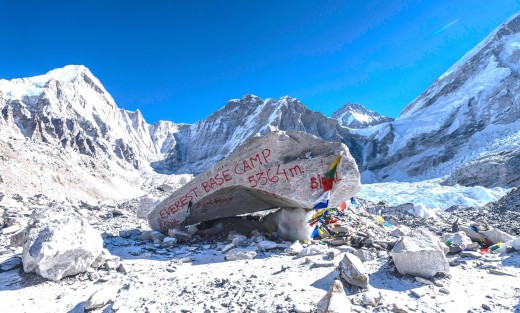
At Everest Base Camp (5,364 m), oxygen levels are roughly half of what they are at sea level. Your body reacts to this drop in predictable ways, but the rate varies from person to person. Fitness, age or previous trekking experience are poor predictors of who will struggle.
As you ascend:
- Each breath delivers fewer oxygen molecules
- Blood oxygen saturation (SpO₂) falls
- Heart rate rises, breathing deepens
- Kidneys excrete bicarbonate to make blood slightly acidic (respiratory acclimatisation), which can take 2–5 days
The trek from Lukla (2,860 m) to EBC gains over 2,500 m. Ascend faster than your body can adapt and fluids leak from capillaries—causing headaches, confusion (HACE) or fluid in the lungs (HAPE). Both conditions can be fatal within hours.
Key fact: SpO₂ readings of 85–90% at Namche Bazaar (3,440 m) or 70–78% at Gorak Shep (5,164 m) are normal. Watch trends, not absolute numbers.
The Three Conditions: AMS, HACE and HAPE
Altitude illness ranges from mild to life-threatening.
Normal acclimatisation:
- Mild fatigue and nausea
- Slightly increased breathing
- Frequent urination (good sign)
Acute Mountain Sickness (AMS):
- Headache
- Fatigue and weakness
- Dizziness or nausea
- Poor sleep
Symptoms appear 6–12 hours after ascent
High Altitude Cerebral Edema (HACE):
- Severe headache
- Confusion or irrational behaviour
- Ataxia (difficulty walking straight)
- Extreme drowsiness or vomiting
Can progress to coma within hours
High Altitude Pulmonary Edema (HAPE):
- Breathlessness at rest
- Dry cough that becomes productive
- Pink or frothy sputum
- Chest crackling or gurgling
Can develop without prior AMS and is the most common cause of altitude-related death
Himalayan Rescue Association rule: Never go to sleep with a worsening headache.
Daily Self-Check: The Lake Louise Score
The Lake Louise Score is a simple, reliable field tool for assessing altitude illness. Score yourself each morning after your first night at a new altitude.
Symptoms and scoring (0–3):
- Headache
- Gastrointestinal (nausea or vomiting)
- Fatigue/weakness
- Dizziness/lightheadedness
- Sleep quality
Interpretation:
- 0–2: No AMS — continue as planned
- 3–4: Mild AMS — rest, do not ascend
- 5–6: Moderate AMS — descend 300–500 m
- 7+: Severe AMS/HACE — emergency descent now
Ataxia test: Above 3,500 m, try walking heel-to-toe with eyes closed. Swaying or stumbling signals early HACE — descend immediately.
Decision Tree: Should You Ascend or Descend?
- Breathlessness at rest? → Yes: Descend immediately (HAPE risk)
- Heel-to-toe test fails? → Descend immediately (HACE risk)
- Lake Louise Score:
0–2: Continue, max 300 m gain
3–4: Rest day, ibuprofen for headache
5+: Descend 300–500 m immediately
Three golden rules:
- Never ascend with symptoms
- Never leave a symptomatic person alone
- Descent is the only guaranteed cure
Acclimatisation Protocol That Works
The 300-metre rule:
Above 3,000 m, your sleeping altitude should increase by no more than 300–500 m per day. You can hike higher during the day but must return lower to sleep.
Acclimatisation hikes:
- Namche rest day: Everest View Hotel (3,880 m) or Syangboche (3,780 m)
- Dingboche rest day: Nagarzhang Hill (5,100 m) or Chhukhung (4,730 m)
- Lobuche: Optional extra night if struggling
Hydration: 3–4 litres per day. Urine should be pale yellow. Avoid alcohol above 3,500 m.
Sleep: Cheyne-Stokes breathing is normal but can disrupt sleep. Elevate your head for better rest.
Diamox: What You Should Know
Diamox (acetazolamide) helps speed acclimatisation but doesn’t prevent altitude illness.
Who benefits:
- Previous AMS history
- Fast itineraries (<12 days)
- Flying directly to Lukla
Who should avoid:
- Sulfa allergy
- Kidney issues or stones
- Pregnancy
- Lithium use
Typical dose: 125–250 mg twice daily starting 1–2 days before ascending >3,000 m
Side effects: Tingling in fingers/toes, increased urination, altered taste. Symptoms are real — Diamox doesn’t mask them.
Other helpful meds: Ibuprofen (AMS headaches), Dexamethasone (HACE emergency), Nifedipine (HAPE history, prescribed by doctor).
Daily Morning Checklist
Before leaving your room:
- Breathless at rest? → Descend
- Heel-to-toe test → Descend if failed
- Cough producing fluid or pink sputum → Descend
- Confused or unusual behaviour → Descend
- Lake Louise Score → Follow action chart
- Urine pale yellow? Hydrated?
- Packed at least 3 litres of water?
Emergency Descent and Rescue
If a trekker cannot walk:
- Helicopter rescue is available but weather-dependent. Cost: USD 3,000–6,000
- Himalayan Rescue Association clinic in Pheriche (4,371 m) provides treatment and evacuation
- Gamow bags simulate descent but are temporary
- Emergency porter carry is an option — descending even 300 m often improves condition dramatically
Golden rule: When in doubt, descend. You can always return after recovery.
Emergency contacts:
- Himalayan Rescue Association (Kathmandu): +977-1-4440292
- CIWEC Clinic Travel Medicine Center, Kathmandu: +977-1-4435232
Essential Advice
Altitude sickness is unpredictable. Respect your body, follow the acclimatisation protocol and never ignore symptoms. Proper preparation and vigilance make the difference between a safe, unforgettable trek and a potentially deadly emergency.
Medical disclaimer: This guide is educational and does not replace advice from a qualified physician. Consult a travel medicine doctor before your trek, particularly regarding Diamox and pre-existing conditions.