
Lumba Sumba Pass Trek
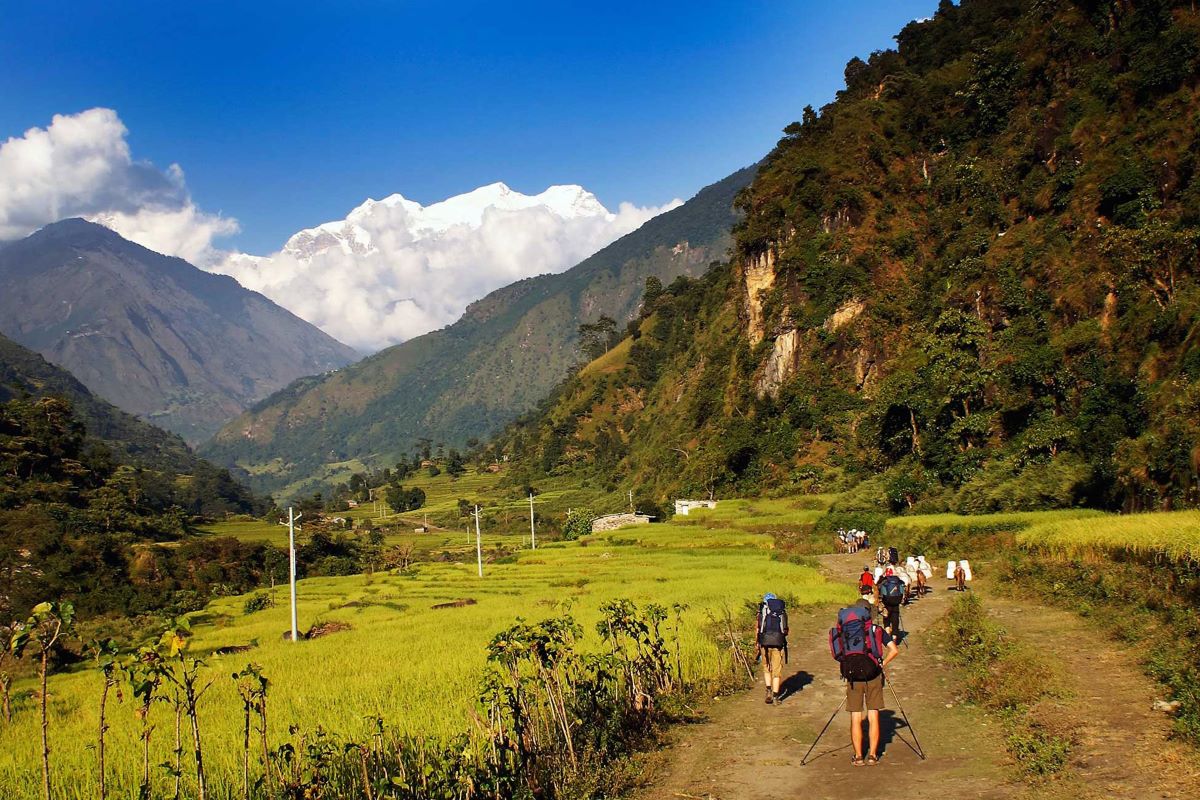


Lumba Sumba Pass Trek: A True Himalayan Adventure
The Lumba Sumba Pass Trek is a thrilling and rewarding journey that links the Kanchenjunga Conservation Area (KCA), home to the world’s third-highest peak, Kanchenjunga (8,598 m) with Makalu Barun National Park, which shelters the fifth-highest peak, Makalu (8,485 m). First explored in 2012, this off-the-beaten-path trek offers a true wilderness experience along the Great Himalayan Trail (GHT).
Spanning 20 days, the trek begins in the lush subtropical regions and gradually climbs into the alpine zone. Trekkers will encounter high mountain passes, remote valleys and untouched landscapes while experiencing the rich biodiversity of the region including rare species like snow leopards and red pandas.
A major highlight is the stunning Nanga La Pass where the trail winds through untamed wilderness. Several sections of the trek pass without any settlements making it a perfect choice for adventurers seeking solitude and pristine nature. The trek also follows the Tamor and Arun river systems, important tributaries of the mighty Sapta Koshi River. Along the way, trekkers traverse alpine grasslands, rocky outcrops, dense forests and scenic river valleys offering a diverse and ever-changing landscape.
At 5,160 meters, the Lumba Sumba Pass itself is the pinnacle of this remote trekking route. In addition to breathtaking landscapes and dramatic mountain views, trekkers will experience the rich culture of the Limbus, Rai, Sherpas, Magars and Tamang communities. Along the trail, monasteries, chortens, temples, prayer flags and numerous prayer walls add a unique spiritual and cultural flavor to the journey.
Trek Highlights
- Stunning Nanga La Pass and the Lumba Sumba Pass at 5,160 meters
- Off-the-beaten-path wilderness with several days without settlements
- Scenic Tamor and Arun river systems, major tributaries of the Sapta Koshi River
- Alpine grasslands, rocky outcrops, dense forests and low river valleys
- Exposure to the culture of Limbus, Rai, Sherpas, Magars and Tamang
- Monasteries, chortens, temples, prayer flags and prayer walls along the trail
Major Attractions
- Follow the original path to Everest used by early mountaineers
- Chance to spot Red Pandas, Snow Leopards and Himalayan Black Bears
- Visit isolated villages like Olangchung Gola and Thudam
- Breathtaking views of Kanchenjunga, Makalu and Mount Kumbakarna
- Trek the Great Himalayan Trail (GHT) from east to west Nepal
- Cross one of the least-explored but most beautiful mountain passes
- Experience the culture, traditions and hospitality of the Sherpa people
- Observe endangered species in their natural habitat
- Enjoy a memorable camping trek experience
- Discover diverse flora, fauna, birds, landscapes, waterfalls, streams and rivers
Difficulty Level
The Lumba Sumba Pass Trek is long and challenging due to:
- High altitude and prolonged trek duration
- Rugged off-the-beaten-path terrain
- Numerous ascents and descents
- Exposure to extreme weather
The trek starts at 2,000 meters in Taplejung and ascends to 5,160 meters at Lumba Sumba Pass. Trekkers should watch for altitude sickness with symptoms like headaches, nausea and fatigue. Guides are trained to handle emergencies and a helicopter rescue is available.
Expect to walk 6–7 hours daily covering 10–11 km. While technical training is not required, months of aerobic fitness training like running, jogging, swimming or gym workouts are highly recommended.
Best Time to Trek
- Autumn (mid/late September – November): Stable weather, pleasant temperatures, crystal-clear Himalayan views and active wildlife
- Spring (March – May): Moderate temperatures, blooming forests, colorful rhododendrons and drier trails. March is slightly colder as it is just after winter
Avoid the rainy season due to slippery paths and winter due to heavy snowfall and impassable trails. The trail remains relatively uncrowded even in peak season
Permits Required
Trekking through Kanchenjunga and Makalu restricted areas requires:
- Kanchenjunga Special Permit
- Kanchenjunga Conservation Area (KCA) Entry Permit
- Makalu Barun National Park Entrance Permit
- Restricted Area Permit for Sangkhuwasabha District
Fixed Departure Dates
| Trip Date | Seats Remaining | |
|---|---|---|
| April 1 - April 20 | 10 Seats Left | Book Now |
Itinerary
Arrival in Kathmandu
Upon your arrival at Tribhuvan International Airport in Kathmandu, you will be greeted by one of the Everest View representatives. You will then be transferred to your designated hotel and escorted through your hotel check-in process. After you have freshened up and rested for a bit, you will have a short briefing session regarding your Lumba Sumba Pass Trek in your hotel lobby. Later, if you are interested, we can have a short strolling time around the Thamel market. You will be introduced to the local lifestyle and surroundings. During our Thamel street exploration, we will come across many small Hindu and Buddhist temples, shrines and stupas.
Note: If you arrive in Kathmandu by noon and do have jet lag, you can opt for the half-day Kathmandu sightseeing, during which you will be taken to one or two of the UNESCO-listed heritages of Kathmandu, depending upon the time and your interest.
Fly to Bhadrapur, Scenic Drive to Taplejung
We will take the earliest flight to Bhadrapur from Kathmandu today. After a 45-minute flight over the diverse hills and terrains, we will land at Bhadrapur Airport, where you will meet your supporting crew. From the airport, we will drive directly to Taplejung for the night. The drive along the blacktop road passes through vast landscapes, high hills, and small mountains, including the beautiful lush tea gardens of Kanyan and Fikkal in Ilam. As we approach our guesthouse in Taplejung, we are welcomed by the black/big cardamom forests. Taplejung is the world’s largest producer of the spice known as black/big cardamom. Once at our lodging, we will rest and look forward to the trip.
Note: If the flight is delayed, we will stop at Bhadrapur for the night. In that case, our drive to Taplejung will be scheduled for the following morning, extending the trip by one day.
Trek to Chiruwa
Today marks the beginning of our trekking journey toward the Lumba Sumba Pass. The trek starts alongside the Tamor River with a moderate walk to Furumba, followed by a climb and then a descent to Siwa Bazaar. The trail continues uphill to the checkpoint of the Kanchenjunga Conservation Area, then gradually descends to Chiruwa. The freshwater and fertile land make this region an important farmland of the valley. After 5–6 hours of trekking, we will enjoy the beauty of Chiruwa.
Trek to Lelep
Today, the trek continues along the mighty Tamor River. You will encounter two large stones with religious significance at the start of the trek. The trail passes through Ulnas trees. After a walk of two and a half hours through beautiful cardamom gardens, we will reach Tapethok, a small market with local tea shops where you can rest for a while. You will then cross the checkpoint and begin walking uphill to reach today’s destination. The Kanchenjunga Conservation Area headquarters is also in Lelep, which we will explore upon arrival after some freshening up. There are also grocery shops and tea shops where you can relax and enjoy.
Trek to Ila Danda
After breakfast, we make our way toward Ila Danda through a dense forest that provides excellent habitats for various wildlife species. You need to be very lucky to spot snow leopards. We cross a beautiful suspension bridge and climb uphill through the pine forest until we reach the monastery. After visiting and resting briefly at the monastery, we begin descending to reach Gowatar, a small village settlement.
After a half-hour walk from Gowatar, we arrive at a spot that offers breathtaking views of two waterfalls, each about 100 meters tall. After enjoying the scenery and bidding farewell to the waterfalls, we continue our hike, crossing the Tamor River to reach Chautaroo, a traditional resting place for locals. Another half-hour walk brings us to our destination, Ila Danda, which offers majestic views of snow-capped peaks. Overnight stay will be at a tented camp.
Trek to Selep Kharka
Today, after breakfast, we pass through a lush rhododendron forest. After about an hour of walking, we reach a suspension bridge, from where the dense bamboo forest begins. This area is known for Red Pandas, and if you are lucky, you may spot one. After walking for approximately three and a half hours, we reach Maguwa. The trail passes through maple and Ulnas forests. Continuing through the woods for about an hour from here, we arrive at our destination for the day. Overnight stay will be at a tented camp.
Trek to Olangchung Gola
After breakfast early in the morning, we head towards Jongim along the bank of the Tamor River. Jongim is a flat area surrounded by snow-capped hills. The trail passes through a rhododendron forest and crosses a suspension bridge. After an uphill walk of about an hour, we reach Ramite, where we can see a mixed forest of Deodar and rhododendron. About an hour’s walk from Ramite, we come across a beautiful waterfall. After a 45-minute walk from the waterfall, we catch a distant view of the stunning Olangchung Gola village. Upon reaching Olangchung Gola, we can explore the monastery with its golden manuscript and the KCA-P office. It is a charming Sherpa village. We spend the night at a tented camp.
Trek to Upper Langmane
Today, after breakfast, we begin our trek through the wilderness of this region. Piles of stones along the way act as signposts, guiding our direction. The trail passes through pine and rhododendron forests. After a walk of two and a half hours, we reach a place called Jadak, where we rest briefly before continuing along the snowy trail until we arrive at our destination.
Overnight stay will be at a tented camp.
Trek to Pass Camp
Today, the trek follows the Tamor River, with a dense rhododendron forest on the opposite side. After about three hours of walking, we reach a place called Tangchetar. After another three hours of trekking, we arrive at our destination for the day. Overnight stay will be at a tented camp.
Trek to Chaurikharka Via Lumba Sumba Pass
Today is an exciting day as we are about to explore Lumba Sumba Pass (5,177 m). It will be a challenging yet rewarding experience. The trail today involves both climbs and descents. We will carry packed lunch for the day. After approximately five hours of trekking from the pass camp, we reach Lumba Sumba Pass. We manage the high altitude with steady walking, no rushing, and staying well-hydrated. After exploring the pass, we descend towards Chaurikharka for the night. Overnight stay will be at a tented camp.
Trek to Thudam
After breakfast today, we descend towards Thudam. As we leave the complete wilderness behind, signs of civilization start appearing. After about three and a half hours of walking, we reach Dobato, which is generally a junction of two trails, one leading to Lyasha in Tibet and the other to our destination. We continue walking until we arrive at Thudam village. Overnight stay will be at a tented camp.
Trek to Yak Kharka
Today, we walk along the Chujung Khola. The trail offers panoramic views of the Makalu range and passes through small bushes and bamboo groves. This area is also famous for Red Pandas, and if you are lucky, you may spot one grazing in the bamboo. We carry a full water bottle today, as water facilities are limited. After about six hours of trekking through the woods, we reach our destination for the day. Overnight stay will be at a tented camp.
Trek to Chyamtanng
Today, after an early breakfast, we begin our journey toward Chyamtang. The trail passes through a dense rhododendron forest. After about three hours of walking from Yak Kharka, we reach a place called Chaurikharka, from where we can enjoy a distant view of the beautiful Chyamtang. We continue our trek downhill until we reach the Arun River, where we cross a suspension bridge. The trail then climbs uphill until we reach our destination for the day. Upon arrival in Chyamtang, we can observe the local Sherpa culture and lifestyle. Overnight stay will be at a tented camp.
Trek to Hatiya
After an early breakfast, we walk through rhododendron forests filled with the pleasant sounds of birds chirping. This trail is one of the most popular for birdwatching as we enter the Arun Valley, home to many different species of birds. After about two and a half hours of walking, we reach Glimber village, where we rest for a while and enjoy views of the snow-capped peaks in the Makalu Range. From Glimber, it is an easy walk of approximately three hours to reach Hatiya, a small village of the Bhote people. Hatiya is also the entry point to Makalu National Park. Overnight stay will be at a tented camp.
Trek to Gola
Today, we complete the second week of trekking, collecting and cherishing unforgettable memories. We walk along the bank of the Arun River, reflecting on the experiences shared so far. After about two and a half hours of walking, we reach the confluence of the Arun and Barun rivers. After enjoying the beauty of this spot, we continue toward Gola. In approximately two and a half hours, we arrive at Gola. Upon reaching Gola, we can experience the culture and lifestyle of the Rai, Sherpa, and Tamang people. Overnight stay will be at a tented camp.
Trek to Hedang Gadhi
The trek passes through paddy fields, a sign that we are entering the lowlands. After about two and a half hours of walking, we reach Pathivara, where we can see a Gurung village with tea shops, grocery stores, and a few hotels. The trail showcases agricultural land and human settlements along the way. After another three hours of walking, we arrive at our destination for the day, Gadhi, a historically significant place where the Nepali Army once fought against invading Tibetan forces. Overnight stay will be at a tented camp.
Trek to Num & Drive to Tumlingtar
Today is the last day of our trek. After about two and a half hours of walking from Gadhi, we pause our hike, marking the end of this journey. The trail descends toward the Arun River. After crossing the river, we face an uphill walk of about one and a half hours to reach Num village. Here, we pack our bags, load them into the jeep, and begin our drive toward Tumlingtar. The scenic drive passes colorful terraced fields and takes approximately 4–5 hours. Overnight stay will be at a guesthouse or hotel.
Flight to Kathmandu
After breakfast, we transfer you to Tumlingtar Airport for the flight back to Kathmandu. During the flight, you will once again enjoy a magical aerial view of the giant hills and landscapes. Upon arrival in the capital and hotel check-in, you will be free to spend time as you wish. You can opt for a guided Kathmandu Heritage Sightseeing tour or visit one of the spa centers in Thamel to unwind after the long trekking days. In the evening, we will gather for a farewell dinner featuring authentic Nepalese cuisine with the team.
Departure from Kathmandu
You will be transferred to the airport after breakfast or at least three hours before your scheduled flight back to your home country or onward destination.
Includes/Excludes
- All Airport Transfers (pick up & drop off) on a private vehicle
- 3* category standard accommodations on a twin/double sharing basis in Kathmandu
- All domestic transfers (KTM-Bhadrapur & Tumlingtar-KTM)
- Best Available Accommodation in Bhadrapur and Tumlingtar
- Tented accommodations during the trek as mentioned above in the itinerary
- Daily Breakfast at Hotel in Kathmandu and Bhadrapur/Tumlingtar
- Full Board Meals(Breakfast,Lunch,Dinner) & 3x(Tea or Coffee)
- An Experienced Trekking Guide during the trek
- All Wages such as Meals, accommodations, salary, insurance, and equipment for Supporting Crew members
- National Park/Conservation/TIMS Permits and Fees
- A Comprehensive First Aid Kit
- Welcome/Farewell dinner in Kathmandu
- International airfares and airport tax
- Nepal Visa fees
- Travel Insurance
- Lunch & Dinner in Kathmandu & Bhadrapur
- Personal Clothing/Trekking Equipment
- Personal expenses such as laundry, liquor, room service, hot showers, phone bills, and others Alcoholic beverages (Not suggested during the trekking journey)
- Tips to Guide, Porter, and Driver
- Any cost occurs from unfavorable conditions such as landslides, bad weather, flight cancellation, etc.
- Any other expenses not mentioned in the included section
Photo Gallery
Packing List for Lumba Sumba Pass Trek
- Trekking jacket (waterproof and windproof)
- Insulated down jacket for cold nights
- Fleece or warm mid-layer
- Lightweight trekking shirts (quick-dry)
- Long-sleeve shirts for sun and insect protection
- Trekking pants (lightweight and quick-dry)
- Thermal base layers (top and bottom)
- Warm hat and sun hat
- Gloves (lightweight and insulated)
- Socks (wool or synthetic, multiple pairs)
- Gaiters (for snow or muddy trails)
- Trekking boots (well broken-in, waterproof)
- Camp shoes or sandals
- Backpack (40–50 L for daily use)
- Waterproof rain cover for backpack
- Sleeping bag (suitable for -15°C to -20°C)
- Trekking poles
- Headlamp with extra batteries
- Water bottles or hydration system (2–3 L capacity)
- Personal first-aid kit (blister care, medications, bandages)
- Sunglasses (UV protection)
- Sunscreen and lip balm (high SPF)
- Personal toiletries (toothbrush, toothpaste, biodegradable soap)
- Quick-dry towel
- Camera or smartphone with power bank
- Lightweight notebook or travel journal (optional)
- Snacks (energy bars, nuts, chocolates)
- Small daypack for short hikes
- Thermos flask
- Water purification tablets or filter
- Binoculars (for wildlife spotting)
- Lightweight trekking shorts
- Warm scarf or neck gaiter
- Travel insurance documents and ID