Mount Thamserku Expedition (6,608 m)
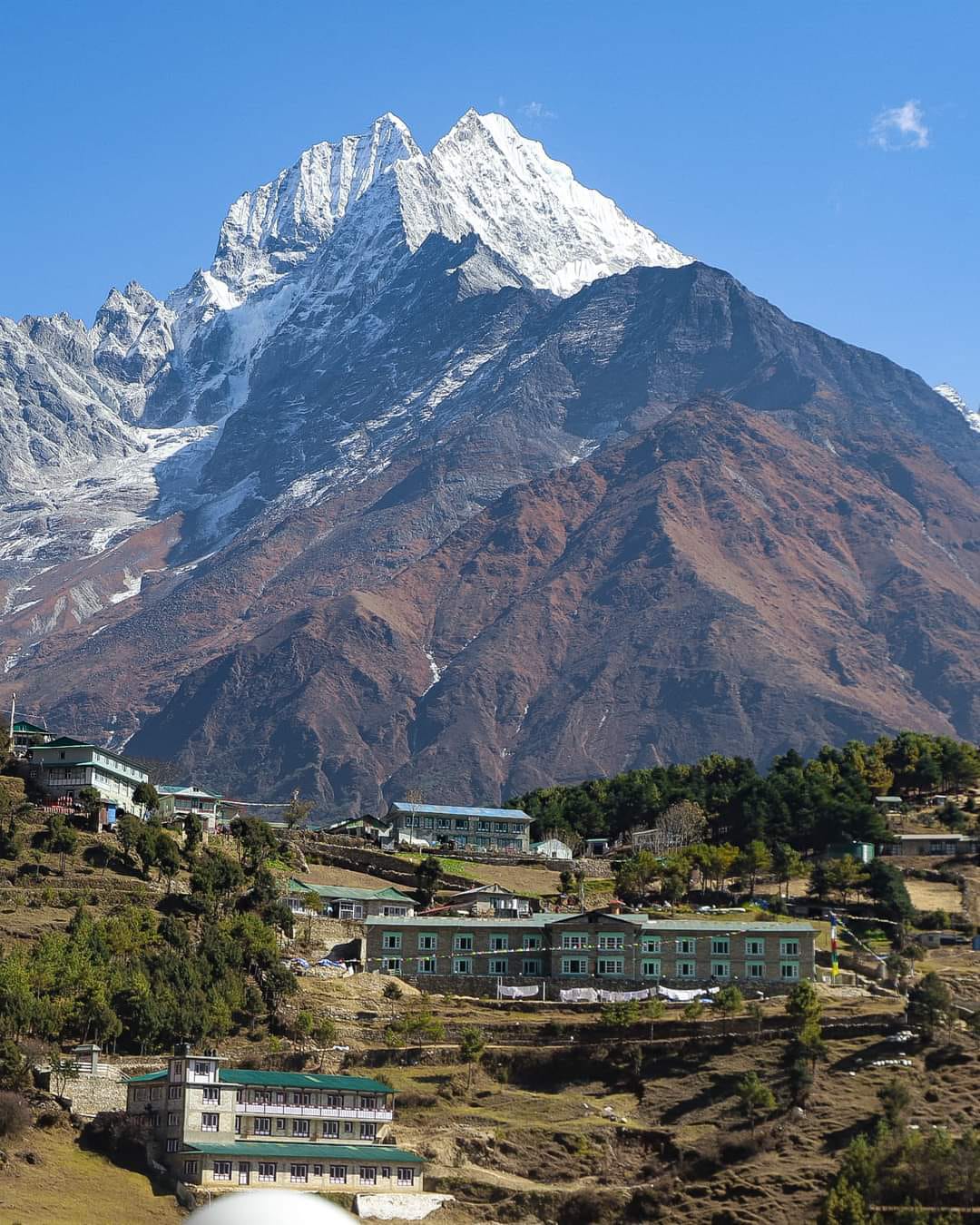


Mt. Thamserku Expedition (6,608 m) – 2026
Mt. Thamserku, standing at 6,608 meters (21,680 feet), is a breathtaking peak located in the Khumbu region of Nepal. It is considered one of the more challenging climbs in the region, offering mountaineers a chance to experience thrilling technical climbing while being surrounded by some of the most stunning landscapes in the Himalayas. Often overshadowed by its towering neighbor, Mt. Everest, Thamserku is a hidden gem, attracting experienced climbers looking for an off-the-beaten-path adventure.
The climb to Mt. Thamserku offers a perfect blend of adventure, natural beauty and cultural exploration. The trail passes through Sherpa villages, lush forests and rugged terrains, providing climbers with an immersive experience of the Khumbu region. The climb itself involves technical challenges, including steep ice and rock sections, requiring climbers to have previous mountaineering experience and technical skills.
Why Choose Mt. Thamserku Expedition?
- Off-the-beaten-path Adventure:
Unlike popular peaks like Everest and Lobuche, Mt. Thamserku is less crowded, offering climbers a more serene and intimate mountaineering experience. - Technical Challenge:
Mt. Thamserku offers a thrilling challenge with steep sections of ice and rock climbing, making it an ideal expedition for experienced mountaineers looking to hone their skills. - Scenic Beauty:
The Khumbu region is known for its breathtaking landscapes, and the climb to Thamserku provides unparalleled views of towering peaks like Everest, Ama Dablam, and Lhotse. - Cultural Immersion:
The expedition passes through traditional Sherpa villages such as Namche Bazaar, allowing climbers to experience the rich culture, traditions, and hospitality of the Sherpa people.
Best Time to Climb Mt. Thamserku
The best seasons for the Mt. Thamserku Expedition are spring (April–May) and autumn (September–October). These months offer stable weather, clear skies and favorable climbing conditions. Climbing during these seasons reduces the risks posed by severe weather, such as high winds, extreme cold and heavy snowfall.
Permits Required for Mt. Thamserku Expedition
To climb Mt. Thamserku, you’ll need the following permits:
- Sagarmatha National Park Entry Permit – As the peak is located in the Khumbu region.
- TIMS Card (Trekkers' Information Management System) – Required for all trekkers in Nepal.
- Climbing Permit for Mt. Thamserku – Issued by the Nepal Mountaineering Association (NMA).
Our team will handle all the necessary permit applications and ensure that all required documentation is in order for your expedition.
Physical Fitness and Experience
The Mt. Thamserku Expedition is best suited for experienced climbers who have previously summited peaks above 6,000 meters. The climb involves technical sections, including steep ice walls, rock climbing and glacier crossings. Therefore, climbers must be proficient in using mountaineering equipment such as crampons, ice axes and ropes. In addition, excellent physical fitness and endurance are essential for the long days of climbing and high-altitude conditions.
Cost of Mt. Thamserku Expedition
The cost of the expedition depends on the services provided, typically ranging from $8,000 to $10,000 USD. This includes permits, accommodation, food, transportation, guide fees and climbing equipment. Our packages are designed to offer maximum value while ensuring your safety and comfort throughout the expedition.
Fixed Departure Dates
| Trip Date | Seats Remaining | |
|---|---|---|
| April 1 - May 5 | 10 Seats Left | Book Now |
Itinerary
Arrival in Kathmandu (1,400 m)
Upon arrival at Tribhuvan International Airport in Kathmandu, you will be welcomed by our team and transferred to your hotel. In the evening, you will meet the expedition leader for a detailed briefing on the Mt. Thamserku Expedition.
Preparation and Permit Acquisition
Spend the day in Kathmandu preparing for the climb. Our team will manage the permit process and inspect your climbing gear to ensure everything is in proper order. You may also use this time to explore the city’s cultural landmarks.
Fly to Lukla (2,800 m) and Trek to Phakding (2,610 m)
Take an early morning flight to the renowned Lukla Airport. From there, begin the trek to Phakding, a picturesque village in the Khumbu region. The trek is relatively easy, following the Dudh Koshi River and passing through beautiful pine forests.
Trek from Phakding to Namche Bazaar (3,440 m)
The trek from Phakding to Namche Bazaar, the gateway to the Everest region, is moderately challenging. Along the way, you will cross several suspension bridges and pass through Monjo, entering Sagarmatha National Park. Namche Bazaar is a vibrant Sherpa town, renowned for its stunning views and lively atmosphere.
Acclimatization Day at Namche Bazaar
Spend the day in Namche Bazaar for acclimatization. Take a short hike to the Everest View Hotel to enjoy panoramic views of Mt. Everest, Lhotse and Ama Dablam. This activity helps your body adjust to the altitude before proceeding to higher elevations.
Trek from Namche to Thamserku Base Camp (4,500 m)
The trek from Namche follows remote trails, gradually ascending to Thamserku Base Camp. Here, the team will set up camp and prepare for the technical climb ahead.
Days 7–8: Acclimatization and Training at Base Camp
Spend two days at Base Camp for acclimatization and technical training. The guides will review the route and ensure that all climbers are proficient in using their equipment in preparation for the upcoming ascent.
Days 9–18: Summit Rotation and Climb to Mt. Thamserku (6,608 m)
Over the next ten days, High Camps (Camp 1 and Camp 2) will be established and stocked in preparation for the summit attempt of Mt. Thamserku. The climb involves navigating glaciers, ice walls, and rock faces. Upon reaching the summit, climbers will be rewarded with breathtaking panoramic views of Everest, Nuptse, Ama Dablam and the surrounding Himalayan range.
Day 19: Descent to Namche Bazaar
Following the successful summit, we will descend back to Namche Bazaar. The descent provides an opportunity to celebrate and reflect on the achievement, as well as enjoy the comforts of the lower altitude.
Day 20: Trek from Namche to Lukla
Retrace your steps from Namche back to Lukla. Enjoy the scenic trail while descending through lush forests and traditional Sherpa villages.
Day 21: Fly from Lukla to Kathmandu
Take an early morning flight from Lukla to Kathmandu. Upon arrival, you will have the remainder of the day to relax or explore the city.
Day 22: Departure from Kathmandu
Following the successful expedition, our team will transfer you to the airport for your departure. Alternatively, you may choose to extend your stay in Nepal to explore more of the country’s rich culture and natural beauty.
Includes/Excludes
- Airport Arrival-Departure transportation as per your arrival date to jointheThamserku expedition
- Standard hotel accommodation in Kathmandu on B/B plan
- Kathmandu- Lukla- Kathmandu round trip airfare as per the expedition itinerary
- Thamserku summiteers climbing Sherpa (01 Sherpa: 02 climbers ratio)
- Group climbing gears like rope, ice bar etc for the Thamserku expeditions.
- Thamserku expedition peak climbing permit and all government taxes.
- Sagarmatha National park permit fee for the expedition.
- Full board high altitude meal while trekking to base camp and climbing Thamserku
- Liaison officer with all his expenses while on Thamserku climbing expedition.
- Expedition manager, Expedition cook, support crew and porters with their equipment, daily wages, food, insurance etc.
- All necessary camping and kitchen equipment provided that include base camp tents, dining tent with table and chair, kitchen tent with all utensil, toilet tent with commode.
- Mountain Hardware high altitude tents while climbing the Thamserku expedition
- Emergency Oxygen with regulator and mask while on Amadablam expeditions.
- EPI gas and burner for high climb;
- Gamow bag / Portable Altitude Chamber (PAC)
- Satellite Phone and Walkie-Talkie in case of emergency
- Medical and personal high risk insurance
- Nepal entry visa fees
- Main meal in Kathmandu
- Personal equipment and climbing gears.
- International airfare and airport tax
- Climbing Bonus, tips and personal nature expenses.
- communication equipment and commercial filming while on Thamserku expedition
Photo Gallery
Packing List for Mount Thamserku Expedition (6,608 m)
- Insulated down jacket (heavy)
- Lightweight insulated jacket (for layering)
- Waterproof and windproof shell jacket and pants
- Fleece or soft-shell jacket
- Base layers (thermal tops and bottoms)
- Trekking pants
- Trekking shirts (moisture-wicking)
- Warm hat and balaclava
- Sun hat / cap
- Gloves: inner liner gloves, insulated gloves and waterproof shell gloves
- Trekking socks (several pairs)
- Gaiters
- Mountaineering boots (suitable for crampons)
- Trekking shoes or approach shoes (for trail walking)
- Camp shoes / sandals
- Climbing harness
- Helmet
- Crampons (compatible with your boots)
- Ice axe
- Carabiners, slings, and ascenders (if provided by expedition)
- Ropes (usually provided by guides, confirm in advance)
- Main expedition backpack (50–60 L)
- Daypack (20–30 L)
- Duffel bag for gear storage (for porters)
- Waterproof stuff sacks / dry bags
- Sleeping bag rated for –20 °C / –4 °F
- Sleeping pad (optional if provided by expedition)
- Sunglasses (UV protection, glacier-rated)
- Headlamp with extra batteries
- Trekking poles
- Water bottles / hydration system
- Water purification tablets or filter
- Sunscreen and lip balm (high SPF)
- Personal toiletries and towel
- Personal medications / first aid kit
- Camera / smartphone with extra batteries
- Snacks / energy bars
- Passport and visa
- Permits (handled by expedition team)
- Travel insurance (including high-altitude and rescue coverage)
- Cash (Nepalese rupees for small expenses in villages)