
Annapurna Base Camp Trek in 2026
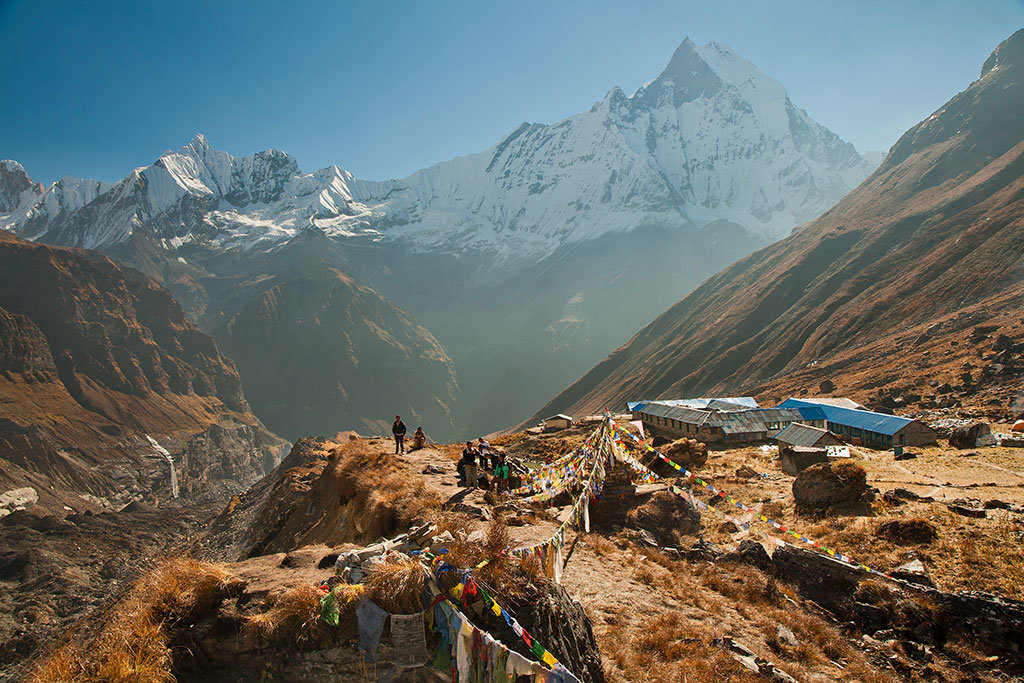


Overview of the Annapurna Base Camp Trek
Also referred to as the Annapurna Sanctuary Trek, this adventure is a harmonious blend of natural beauty and cultural exploration. The route winds through lush forests, terraced farmlands, and alongside pristine rivers, eventually leading to the spectacular Annapurna Base Camp at 4,130 meters.
This trek offers a diverse range of experiences, from walking through the Annapurna Conservation Area home to rare wildlife like the red panda and Himalayan monal to enjoying close-up views of some of the world’s highest peaks. Notable mountains include Annapurna I (8,091 meters), Machhapuchare (6,993 meters), and Gangapurna (7,455 meters).
The Annapurna Base Camp Trek is particularly appealing in spring (March-May) and autumn (September-November), when the weather is clear and the surroundings are adorned with blooming rhododendrons or vibrant autumn colors.
For those trekking in December, the experience is unique, with cold, dry weather and mostly clear skies. Snow may dust the higher passes, creating stunning scenery but temperatures are lower, especially at night.
Annapurna Base Camp Trek Highlights
Embark on a scenic journey through Nepal’s picturesque countryside, starting from Kathmandu to the vibrant city of Pokhara, the gateway to adventure.
Explore the serene beauty of Pokhara, where the towering Himalayas reflect in the tranquil waters of Phewa Lake.
Witness breathtaking sunset views over the majestic Annapurna massif, including Machapuchare (Fishtail), Gangapurna and Himchuli.
Relax in the rejuvenating natural hot springs at Jhinu Danda after days of trekking.
Immerse yourself in the rich cultural heritage of the Gurung and Magar communities, known for their warm hospitality.
A Unique Cultural and Natural Experience
The trek is not just about stunning landscapes. It’s an opportunity to learn about the traditions and daily lives of the Gurung and Magar communities. The journey passes through monasteries, prayer wheels, and colorful prayer flags, showcasing the Buddhist and Hindu influences in the region.
Trekking through the Annapurna Conservation Area, you’ll encounter diverse flora and fauna. The forested trails are home to exotic species, while the terraced fields and quaint villages paint a picture of rural Nepali life.
Is the Annapurna Base Camp Trek Difficult?
The trek is categorized as moderate, making it accessible to individuals with reasonable fitness levels. No prior trekking experience is required, but the altitude, which reaches over 4,000 meters, demands careful acclimatization. Staying hydrated, eating nutritious meals, and pacing yourself are crucial. The trek is less challenging than high-altitude treks like Everest Base Camp, making it ideal for beginners and seasoned hikers alike.
Why Choose Annapurna Base Camp Trek?
- Short Duration: The trek can be completed in as few as six days, making it perfect for travelers with limited time.
- Panoramic Views: Experience uninterrupted views of the Annapurna range, including Annapurna South, Himchuli, and Dhaulagiri.
- Cultural Immersion: Connect with local communities and explore their unique traditions and lifestyles.
- Convenient Access: Start from Pokhara, a well-connected city with options for bus and flight travel from Kathmandu.
Cost and Services
The Annapurna Base Camp Trek cost varies based on the group size and services included. Typical costs cover permits, accommodations, meals, guide and porter services, and transportation. Larger groups often enjoy reduced per-person rates.
For customization options or alternative routes, including longer or shorter durations, feel free to contact us.
End of the Journey
The trek concludes with a scenic return to Pokhara, where you can choose to extend your stay or return to Kathmandu by flight or bus.
Experience the thrill of trekking to Annapurna Base Camp and create memories that will last a lifetime. With its perfect blend of natural splendor and cultural richness, this trek promises an unforgettable Himalayan adventure.
Fixed Departure Dates
| Trip Date | Seats Remaining | |
|---|---|---|
| October 3 - October 11 | 6 Seats Left | Book Now |
| October 4 - October 12 | 10 Seats Left | Book Now |
| October 10 - October 18 | 5 Seats Left | Book Now |
| October 11 - October 19 | 10 Seats Left | Book Now |
| October 17 - October 25 | 8 Seats Left | Book Now |
| October 18 - October 26 | 10 Seats Left | Book Now |
| October 24 - November 1 | 8 Seats Left | Book Now |
| October 25 - November 2 | 6 Seats Left | Book Now |
| October 31 - November 8 | 10 Seats Left | Book Now |
Special Information
- Unique Local Insights : The Annapurna Base Camp (ABC) trek is famous for its dramatic landscapes, but there are hidden gems that trekkers often overlook. On the way to ABC, there’s a lesser-known side trail near Chhomrong that leads to Jhinu Danda hot springs—a perfect spot to relax and soak in natural hot waters after long trekking days. Another unique feature is the sunrise view from Poon Hill, where the mountains glow golden at dawn, providing some of the most stunning views in the region.
- Cultural Etiquette : While trekking through Gurung and Magar villages, it’s important to be mindful of local customs. Always greet locals with a respectful "Namaste." Avoid pointing your feet towards people, religious shrines, or in homes, as it is considered impolite. Many villages along the trail are deeply spiritual, with Buddhist and Hindu influences. When visiting monasteries or temples, remove your shoes and avoid taking photographs unless explicitly allowed.
- Environmental Responsibility : The Annapurna Conservation Area is rich in biodiversity, and it’s vital to protect the environment while trekking. Avoid using single-use plastics, especially bottled water—bring a reusable bottle and use safe drinking water stations along the route. Be cautious not to disturb local wildlife, and stick to designated trails to prevent soil erosion. As part of our commitment to sustainability, we encourage all trekkers to pack out their waste and contribute to keeping the trail pristine.
- Health Tips Beyond Acclimatization : While altitude is less extreme than in the Everest region, ABC still reaches 4,130m, so acclimatization is important. Drink plenty of fluids and take breaks when needed. Local dishes like Thakali set meals or dhindo (traditional buckwheat porridge) are great for maintaining energy. It’s also helpful to bring some high-energy snacks, like trail mix or protein bars, for longer trekking days. Remember to protect yourself from both the cold and the strong sunlight—bring SPF sunscreen and a good quality hat.
- Communication and Connectivity : While the Annapurna region is more developed, communication can still be limited in higher areas. There is Wi-Fi available in most tea houses, but it may be slow and unreliable. Local SIM cards with 3G connectivity are available in Pokhara and provide decent coverage up until villages like Deurali. Charging your devices is possible in most tea houses for a small fee, so bring a power bank for backup.
- Weather Variability and Preparation : The weather in the Annapurna region can vary greatly depending on the season. In spring and autumn, the weather is generally mild with clear skies, but at higher altitudes, temperatures can drop significantly at night. Be prepared for sudden rain, particularly in monsoon season, by packing a reliable rain jacket. Layering is key, as mornings and evenings can be chilly, while daytime trekking can be warm, especially at lower altitudes.
- Insurance Recommendations : It is essential to have comprehensive travel insurance that covers trekking up to 4,500m and includes emergency evacuation by helicopter. In the event of injury or altitude sickness, evacuation is costly and often the safest option. Make sure your policy covers medical emergencies and has provisions for Nepal-specific high-altitude trekking.
- Local Legends and Myths : The Annapurna region is steeped in folklore. One famous story involves the goddess Annapurna, who is revered as the provider of food and nourishment. According to local beliefs, the mountains are sacred, and trekkers are guests in her domain. There’s also a belief that the peaks of Annapurna should not be climbed lightly, which is why many climbers offer prayers before attempting to summit.
- Sustainability and Community Impact : Our Annapurna Base Camp trek not only offers breathtaking views but also supports local communities. We prioritize using eco-friendly tea houses and partner with local initiatives that help develop infrastructure and education in the region. By trekking with us, you are contributing to the sustainable development of the Annapurna region, ensuring that future generations can experience its beauty.
- Post-Trek Recovery : After completing the ABC trek, consider spending a day or two in Pokhara to recover. This lakeside city is known for its tranquil atmosphere and wellness retreats. Take a yoga class or enjoy a traditional Ayurvedic massage to ease any muscle soreness. Pokhara is also a great spot to relax by the lake, enjoy the stunning mountain backdrop, or try some boating or paragliding before heading back to Kathmandu.
Itinerary
Arrival in Kathmandu
After your arrival at the Tribhuwan International Airport, a representative of Everest View Treks & Expedition will be at the terminal to welcome you to the land of the Himalayas. Then you will be taken to your representative hotel and into your rooms so that you can relax your jetlagged body. Now you have time to prepare for the next day ahead and Briefing about your trek with your Guide. Stay overnight in Kathmandu. Overnight at hotel Include B/B.
Flight or Drive Kathmandu to Pokhara
You can travel from Kathmandu to Pokhara by a 25-minute flight or a 7 to 8-hour drive by tourist bus. Pokhara is at an altitude of 820 meters (2,690 feet) and the drive may take 5 to 6 hours. Accommodation will be in a double-sharing room with breakfast included at Hotel Lake Star or a similar hotel.
Early in the morning, after breakfast, you will start a scenic journey to the beautiful city of Pokhara. Upon arrival, you will be transferred to your hotel. In the afternoon, if time permits, you can enjoy boating on Phewa Lake and visit Barahi Temple, located in the center of the lake. You may also take a short walk around the lakeside area. Overnight stay at the hotel with breakfast included.
Drive to Nayapul and Trek to Ghandruk
After breakfast in Pokhara, we will drive for approximately 1.5 hours to Nayapul by private transportation. From Nayapul, we will begin our trek to Ghandruk at an altitude of 1,940 meters. The trek will take approximately 5 hours.
Along the way, you will enjoy beautiful views of the mountains, lush greenery, and local surroundings. Upon reaching Ghandruk, your guide will provide information about the area, and you can explore the village and its pleasant locales. Accommodation will be in a tea house, double-sharing room with breakfast, lunch and dinner included at Annapurna Guest House. Overnight stay at Ghandruk.
Trek from Ghandruk to Chomrong
Today we will trek from Ghandruk to Chomrong, which is at an altitude of 2,020 meters. The trek will take approximately 5 to 6 hours. The trail begins with a gradual climb from Ghandruk to Kimrong Danda. From Kimrong Danda, we will descend to Chomrong Khola and then climb again to reach Chomrong. Chomrong is a large and scenic village located at the top of a hill. If the weather is clear, you will enjoy spectacular mountain views from the village. Accommodation will be in a tea house double-sharing room with breakfast, lunch and dinner included at Hotel Mountain View. Overnight stay at Chomrong.
Chomrong to Bamboo Trek
Overnight at a Tea House in Bamboo (2,505m) | Approx. 6 hours | 3–4 persons sharing a room | Hotel: Friendship or Green View
Today, you will trek from Chomrong, following the Modi Khola and leaving the inhabited foothills behind. The trail takes you into the high, forested slopes of the Himalayas. You will cross a suspension bridge and ascend to Sinuwa Dada. From there, the climb becomes moderate as you pass through dense rhododendron forests up to Khuldighar. The path then descends steep stone steps into bamboo and rhododendron forests. After a gentle 1.5 km climb, you will reach Bamboo, where you will stay overnight at a tea house. Meals included: breakfast, lunch and dinner.
Bamboo to Deurali Trek
Overnight at a Tea House in Deurali (3,210m) | Approx. 4–5 hours | 3–4 persons sharing a room | Hotel: New Deurali Viewpoint
The trek today starts with a climb through bamboo and rhododendron forests, leading you to Dovan. You will stop for lunch at the Himalaya Hotel before continuing your journey to Deurali. The trail offers scenic views of the surrounding Himalayan landscape. Upon arrival, you will stay overnight at a tea house. Meals included: breakfast, lunch and dinner.
Deurali to Annapurna Base Camp (ABC) Trek
Overnight at a Tea House in Annapurna Base Camp (4,130m) | 3–4 persons sharing a room | Hotel: Annapurna Guest House | Meals included: breakfast, lunch and dinner
Today’s trek takes you deeper into the Annapurna Sanctuary, surrounded by towering peaks. You will climb from Deurali toward the Annapurna Base Camp. Depending on your pace, you may stop for the day at Machhapuchhre Base Camp or continue for about two more hours to reach ABC. From here, you can enjoy stunning panoramic views of the Annapurna range. Overnight stay is at a tea house in ABC.
Annapurna Base Camp (ABC) to Bamboo Trek
Overnight at a Tea House in Bamboo (2,400m) | 3–4 persons sharing a room | Hotel: Friendship or Green View | Meals included: breakfast, lunch, and dinner
Wake up early to enjoy the spectacular sunrise over the Himalayas from ABC. After breakfast, begin the descent back to Bamboo, passing through Machhapuchhre Base Camp, Deurali, and Dovan. The downhill trek is easier than the ascent and offers scenic views of waterfalls cascading onto rocks below, as well as forests framing Fishtail and Hiunchuli mountains. Arrive at Bamboo for dinner and overnight at the tea house.
Bamboo to Jhinu Danda Trek
Overnight at a Tea House in Jhinu Danda (1,760m) | Double sharing room | Hotel: Evergreen Guest House | Meals included: breakfast, lunch and dinner
The trek today begins with a steep ascent from Bamboo to Kuldi Ghar and onward to Sinuwa, following stone steps leading toward Lower Chhomrong. You then climb the thousand stony steps to Upper Chhomrong before descending to Jhinu Danda. A highlight of the day is a visit to the natural hot springs, just a 20-minute walk from the tea house, where you can relax after your trek. Overnight stay at Jhinu Danda includes all meals.
Jhinu Danda to Nayapul and Drive to Pokhara
Overnight at Hotel in Pokhara | Approx. 6 hours trek | Double sharing room | Hotel: Lake Star | Meals included: breakfast
The final day of the trek begins with a walk from Jhinu Danda to the new bridge and onward to Kyumi village. After lunch, continue trekking to Syaulibazar and descend to Birethanti. From Birethanti, it’s about an hour’s walk to reach Nayapul, where the trek officially ends. You will then be picked up and driven approximately 1.5 hours to Pokhara. Check in at your hotel in the late afternoon, with the rest of the day free to explore Pokhara. Overnight stay at the hotel includes breakfast.
Journey Back to Kathmandu – Flight or Scenic Drive
Overnight at a Hotel in Kathmandu | Double sharing room | Hotel: Marshyangdi or Vaishali | Meals included: breakfast and dinner
After breakfast, depart from Pokhara. You may choose a 25-minute flight back to Kathmandu or enjoy a scenic 7–8 hour drive through hills, rivers, and rural villages along the 200 km route. In the evening, enjoy a farewell dinner at a traditional Nepali restaurant. Overnight stay at a Kathmandu hotel includes breakfast and dinner.
Final Departure – Transfer to Airport
Today, you will check out from your hotel and be transferred to the airport 3 hours before your international flight. Our team will ensure you arrive at the international terminal on time for your departure, marking the end of your journey.
Includes/Excludes
- 2 night hotel in Kathmandu 2 night’s hotel in Pokhara 3 star category Hotel twin sharing with breakfast and bed and breakfast plan.
- Best available lodge and tea house accommodation during the trek on Twin sharing basis.
- All food; Breakfast, Lunch and dinner during the trekking.
- A trekking or hiking leader - Fluent English speaking, experienced, knowledgeable Sherpa porters (2 trekkers: 1 porter) together with their payments, assurance, gears, foods and accommodations
- All necessary national park fees, permits and paper works (Annapurna Conservation permits and TIMS)
- Entire administration and local Taxes
- All guide and porter salary and food insurence.Gov taxes
- . Fresh Fruit after dinner everyday
- 1 pc snickers or mars chocolate each person every day.
- 3 cup tea or Coffee with meal B/L/D.
- ABC Trek Completion Certificate
- .Medical Kit Box
- ABC Trekking Map
- Tea and cookies arrival tea house in trekking afternoon.
- . Pokhara to nayapul- to pokhara private Transport.
- Arrival Departure by Private Car.
- Kathmandu -Pokhara –Kathmandu by flight or tourist bus
- Farewell Dinner in Nepali typical Restaurant with cultural program
- Complementary Trekking kit Bag(entire Trek)
- Sleeping Bag Entire trek.
- Nepal Visa fees on your airport arrival (You should bring accurate USD cash and two passport size picture)
- Personal expenses (Shopping, Laundry, bar bills, battery recharge, mineral water or boiled water, Phone calls, hot shower etc.)
- Your Lunch and dinners in pokhara (This apply also early come back from trek then the fixed itinerary)
- Extra night accommodation in pokhara and Kathmandu than above itinerary.
- Tips for guides and porters
- . Rescue incase emergency
Packing List for Annapurna Base Camp Trek in 2026
- Trekking T-shirts (quick-dry) – 2–3
- Long-sleeve shirts – 1–2
- Trekking pants – 2
- Thermal base layers (top and bottom)
- Fleece jacket or warm layer
- Down jacket (for evenings at high altitude)
- Waterproof and windproof jacket
- Waterproof trekking pants
- Warm hat and sun hat
- Gloves (lightweight and insulated)
- Socks (trekking and warm wool) – 4–5 pairs
- Underwear – 4–5 sets
- Sleepwear
- Trekking boots (waterproof, broken-in)
- Comfortable shoes/sandals (for evenings at tea houses)
- Gaiters (optional, for snow or mud)
- Daypack (25–35L)
- Waterproof rain cover for backpack
- Duffel bag (for porter if using)
- Trekking poles
- Sleeping bag (comfort rating -10°C recommended)
- Travel pillow
- Toothbrush and toothpaste
- Quick-dry towel
- Biodegradable soap
- Hand sanitizer
- Toilet paper and tissues
- Sunscreen (SPF 30+)
- Lip balm with SPF
- Personal medications & basic first aid kit
- Wet wipes
- Headlamp or flashlight (with extra batteries)
- Power bank (for charging devices)
- Camera and memory cards
- Plug adapter (Nepal uses type C, D, and M)
- Mobile phone (with SIM or roaming)
- Sunglasses (UV protection)
- Water bottles or hydration bladder
- Snacks / energy bars
- Trekking map or guidebook
- Notebook and pen
- Ziplock bags for waterproof storage
Optional Items: - Lightweight trekking sandals
- Binoculars
- Notebook/journal
- Small lock for your bag