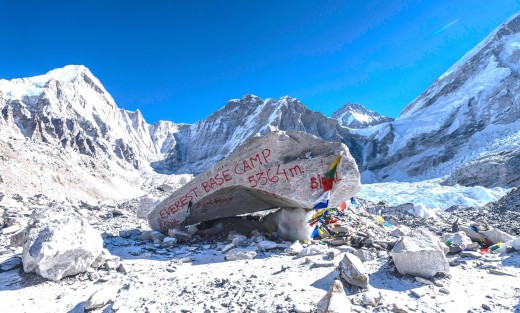
When to Stop Trekking: Warning Signs You Shouldn’t Ignore
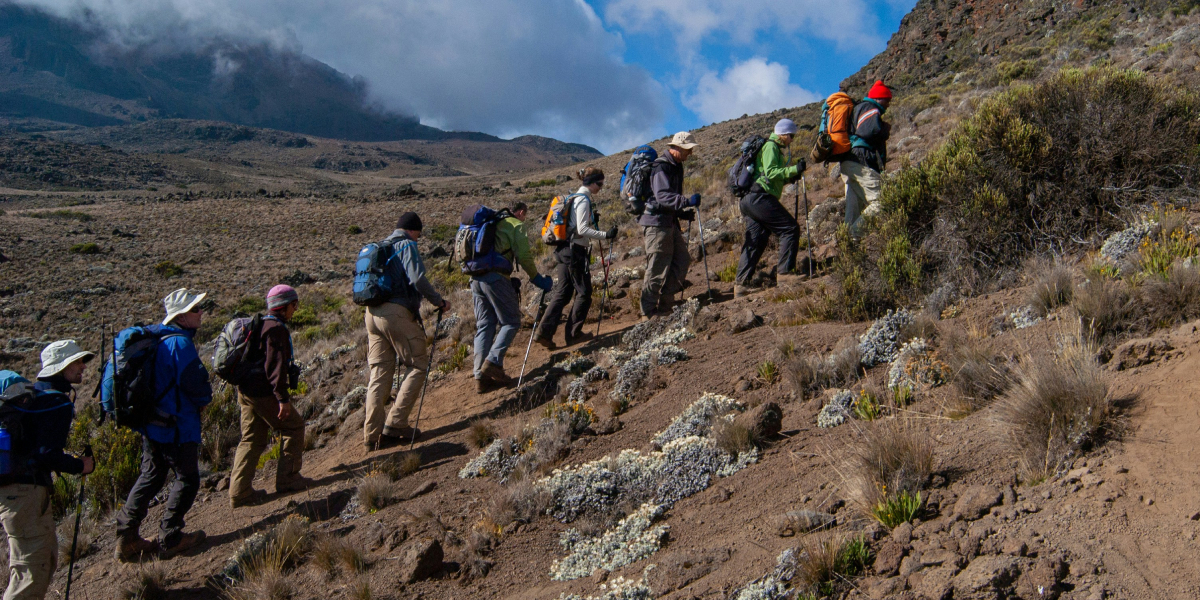
Trekking is one of the most exciting ways to explore nature. The fresh mountain air, stunning views and the thrill of reaching a summit can make anyone feel alive. But sometimes, the path can be unpredictable and pushing yourself too far can turn a beautiful adventure into a dangerous situation. Knowing when to stop trekking is just as important as knowing how to keep going. Recognizing the warning signs early can protect you from injuries, illness or worse.
Listen to Your Body First
Your body is your best guide while trekking. If you notice something feels off, don’t ignore it. Altitude sickness is one of the most common dangers, especially when trekking in high mountains. Symptoms include headaches, nausea, dizziness and shortness of breath. If left unchecked, severe cases can cause confusion or even fainting. Feeling extremely tired, weak or unable to keep up with your usual pace is another signal. Even if the view ahead is amazing, continuing while exhausted can put you at serious risk.
Injuries are another reason to consider stopping. A twisted ankle, a deep blister or muscle pain can worsen if you push on. Sometimes, a short rest can help, but persistent pain is a clear sign to slow down or turn back. Your safety always comes first, no peak is worth a permanent injury.
Pay Attention to the Weather
Weather in the mountains can change faster than anywhere else. A sunny morning can quickly turn into a stormy afternoon. Sudden heavy rain, snow or strong winds can make trails slippery and dangerous. Fog can reduce visibility to almost zero, making it easy to get lost.
Watch out for trail hazards like landslides, flooding or broken paths. These can appear suddenly and may be impossible to cross safely. Even if you feel confident in your trekking skills, nature doesn’t negotiate. If conditions look risky, it’s smarter to wait it out or head back.
Gear and Supplies Matter
Trekking requires more than just physical strength. Your equipment and supplies can make a huge difference. Running out of water or food can be dangerous, especially at higher altitudes where your body works harder. Trekking poles, tents and boots that break during the trek can slow you down and make the trail unsafe.
Also, always check your communication options. Being able to call for help, even in an emergency, is crucial. If your phone dies or there’s no network, knowing the safest route back can save you from serious trouble.
Mental Signs You Shouldn’t Ignore
Trekking isn’t just about physical effort; it’s also a mental challenge. Feeling stressed, anxious or panicked can cloud your judgment. Sometimes, fear can signal danger, but other times it’s your mind telling you to slow down. Losing focus or motivation on the trail can also be dangerous, especially on steep or narrow paths. Listen to your feelings and respect them. A clear mind is just as important as strong legs.
Warning Signs Checklist
Here’s a simple list of warning signs to help you decide when it’s time to stop:
- Severe headache, nausea or dizziness (possible altitude sickness)
- Extreme fatigue or weakness
- Injuries like sprains, blisters or muscle pain
- Sudden weather changes or unsafe trail conditions
- Running out of water, food or essential gear
- Broken or malfunctioning equipment
- Feeling stressed, anxious or unable to focus
If you notice any of these, it’s a good idea to pause, reassess or turn back.
Making the Decision to Stop
Stopping a trek doesn’t mean failure. In fact, it’s often the smartest choice. Trekking is about enjoying the journey, not just reaching the summit. Knowing your limits and respecting nature can keep you safe for future adventures.
Before you start your trek, plan your route carefully. Identify safe spots where you can rest or turn back if needed. Check the weather forecast, carry extra food and water, and make sure your equipment is reliable. Always trek with companions if possible and let someone know your expected return time.
Even with the best preparation, there may be times when you need to stop. That’s okay. Turning back early can prevent serious injuries, illness or worse. You can always try again another day under better conditions.
Safety is the Best Adventure
The beauty of trekking isn’t just in reaching the top; it’s in the experiences along the way. The fresh air, the quiet moments, and the sense of achievement all matter but none of it is worth risking your life. By paying attention to your body, the weather, your gear and your mind, you can make safe choices on the trail.
Remember, every trekker faces moments when stopping is the smartest option. It takes courage to turn back but it also shows wisdom and respect for yourself and nature. When in doubt, choose safety. The mountains will always be there for another adventure.