Training for Everest Base Camp: A 3-Month Plan for Spring Trekkers
Standing at Everest Base Camp is not about being the strongest person in the room. It is about being prepared. Many people dream of walking beneath the world’s highest mountain but the ones who enjoy it most are those who train the right way before they go.
The Everest Base Camp trek is long, slow and demanding. You walk for many days, often uphill, carrying a day pack, breathing thinner air with each step. Spring is the most popular season with clear skies and busy trails but it still tests your body. The good news is that you do not need to be an athlete to do this trek. With a simple three month training plan and steady effort, most healthy people can prepare well and feel confident on the trail.
This guide explains how to train for Everest Base Camp over three months. It is written in plain language without complicated fitness terms. If you can stay consistent and listen to your body, this plan can help you enjoy the journey instead of struggling through it.
Why training matters for Everest Base Camp
Everest Base Camp is not a technical climb but it is not a short walk either. You trek for around two weeks, often five to seven hours a day. Some days feel easy. Other days feel long and tiring. The trail includes stone steps, rocky paths, river crossings and long uphill sections.
Training helps your body get used to:
- Walking for many hours in a row
- Carrying weight on your back
- Using leg muscles again and again
- Recovering overnight and doing it all again the next day
When you train, your heart gets stronger, your legs get used to hills and your lungs work better. You also learn how your body reacts to tiredness which is very helpful at high altitude.
Spring trekking brings warmer days but still cold mornings and nights. Being fit helps you stay warm, move comfortably and enjoy the views instead of worrying about every step.
How this 3 month plan works
This plan is divided into three simple phases. Each month builds on the one before it. You start slow and slowly increase your strength and endurance. There is no rush. Slow progress is safer and more effective.
You do not need a gym membership. Most exercises can be done outdoors, at home or with simple equipment. Walking, stairs and bodyweight exercises are your best friends.
Month 1: Build the habit and basic fitness
The first month is about getting your body moving regularly. If you are not very active right now, this is the most important phase. The goal is not speed or power. The goal is consistency.
Start with walking. Walk at a pace where you can talk but feel slightly out of breath. Try to walk four to five days a week. Begin with 30 minutes and slowly increase to 60 minutes by the end of the month. Flat ground is fine at first. Later, add gentle hills if possible.
Along with walking, begin simple strength exercises for your legs and core. Strong legs protect your knees and help you climb uphill. A strong core helps you balance on uneven trails. Focus on basic movements and good form rather than doing many repetitions.
During this month, also start wearing the shoes you plan to trek in if you already have them. This helps break them in and prevents blisters later.
Most importantly, listen to your body. Mild soreness is normal. Sharp pain is not. Rest when needed but try not to skip too many days in a row.
Month 2: Increase endurance and add hills
In the second month, your body should feel more comfortable with regular activity. Now it is time to challenge it a little more. This is when training starts to feel more like trekking.
Your walks should become longer and more purposeful. Aim for 60 to 90 minutes on most days. Include hills whenever you can. If you live in a flat area, use stairs, bridges or a treadmill with an incline.
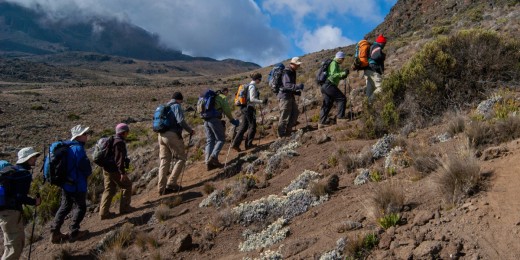
Once or twice a week, do a longer walk or hike of two to three hours. Carry a small backpack with some weight inside such as water bottles. This helps your shoulders and back get used to carrying a load.
Strength training becomes more important now. Focus on your legs, hips and core. These muscles do most of the work on the trail. Balance exercises are also helpful as mountain paths are uneven.
This is also a good time to practice walking slowly but steadily. Many people think faster is better but on the Everest Base Camp trail, slow and steady wins. Training at a comfortable pace teaches your body to use energy efficiently.
Month 3: Trek-specific training and confidence building
The final month is about preparing your body and mind for real trekking days. By now, walking should feel natural and your stamina should be much better than before.
Try to do at least one long hike each week lasting four to five hours. Wear your trekking shoes, carry your day pack and eat snacks similar to what you will eat in Nepal. This helps your body and stomach get used to trekking conditions.
Focus on uphill walking. Downhill is easier on the lungs but harder on the knees. Practice both. If possible, walk on uneven ground to improve balance and foot strength.
During this month, recovery becomes just as important as training. Stretch after walks. Sleep well. Drink plenty of water. These habits matter even more at high altitude.
Mental preparation also plays a role now. Long walks can feel boring or tiring. Learn to stay patient. On the Everest trail, progress is slow but every step counts.
Breathing and altitude awareness
No training at sea level can fully prepare you for high altitude but good fitness makes it easier. When your heart and lungs are strong, your body uses oxygen more efficiently.
Practice controlled breathing during walks. Breathe deeply and slowly especially on uphill sections. This habit helps you stay calm and avoid rushing which is important above 3,000 meters.
Remember that altitude affects everyone differently. Training does not make you immune but it gives you a stronger base to handle it better.
Rest days are part of training
Many people think training means pushing hard every day. That is not true. Rest days allow your muscles to repair and grow stronger.
Plan at least one or two rest days each week. On these days, you can do light stretching or a gentle walk but avoid hard workouts. Rest is not laziness. It is preparation.
Simple gear practice during training
Training is also a good time to get familiar with your gear. Wear your trekking socks, shoes and backpack during longer walks. Adjust straps and learn what feels comfortable.
This reduces stress during the actual trek. When your gear feels familiar, you can focus on the mountains, not on discomfort.
Staying motivated for three months
Three months can feel long at first but it passes quickly. Set small goals like walking a little farther each week. Celebrate progress even if it feels slow.
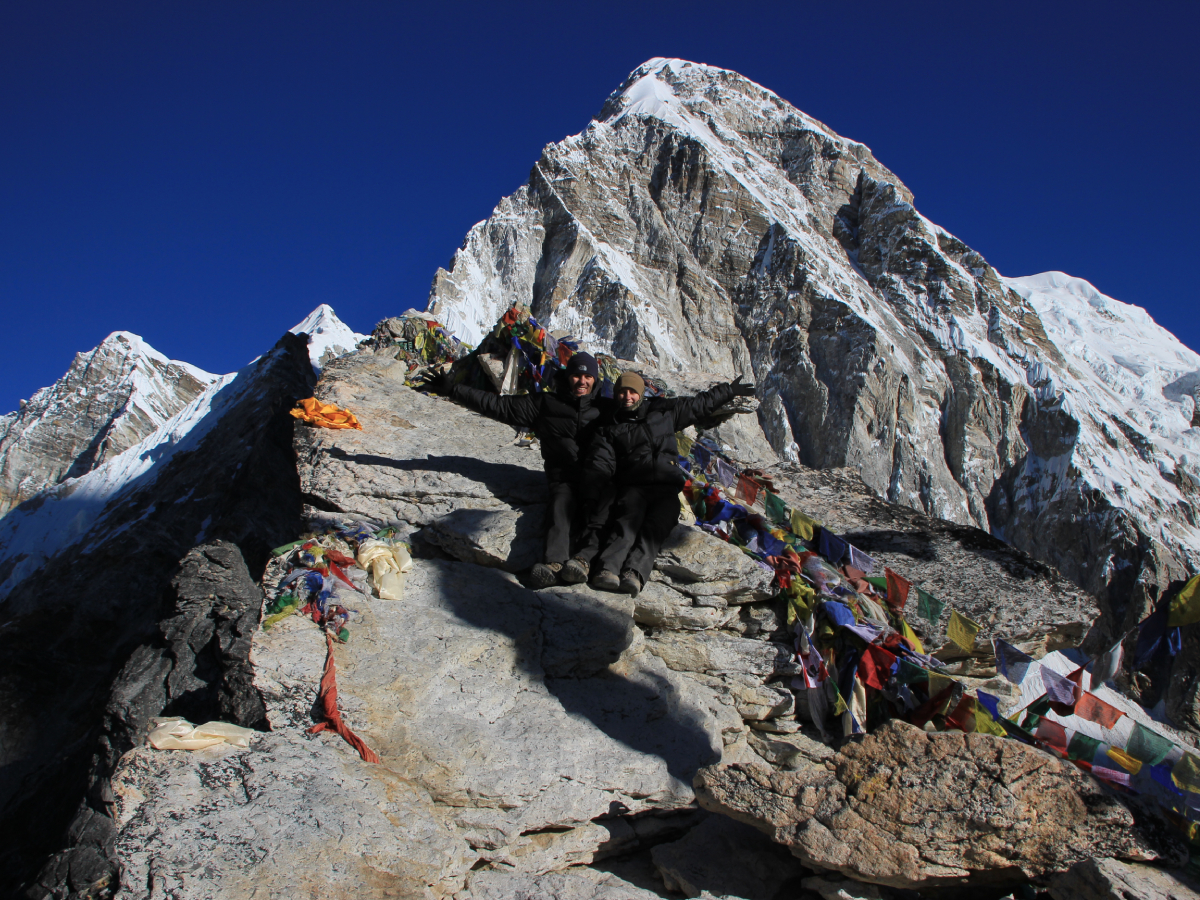
Remind yourself why you are training. Picture the prayer flags, the mountain views and the sense of achievement at Base Camp. Training turns that dream into something real.
The Last Step Before Everest
Training for Everest Base Camp does not need to be complicated or intimidating. You do not need fancy equipment or extreme workouts. What you need is time, patience and steady effort.
This three month plan builds your strength, stamina and confidence step by step. By the time spring arrives and you land in Nepal, your body will know what to do. You will still feel tired on the trail but it will be the good kind of tired, the kind that comes with purpose and progress.
When you finally stand at Everest Base Camp, surrounded by ice, rock and sky, you will know that every training walk was worth it.