
Annapurna Expedition (8,091 m)
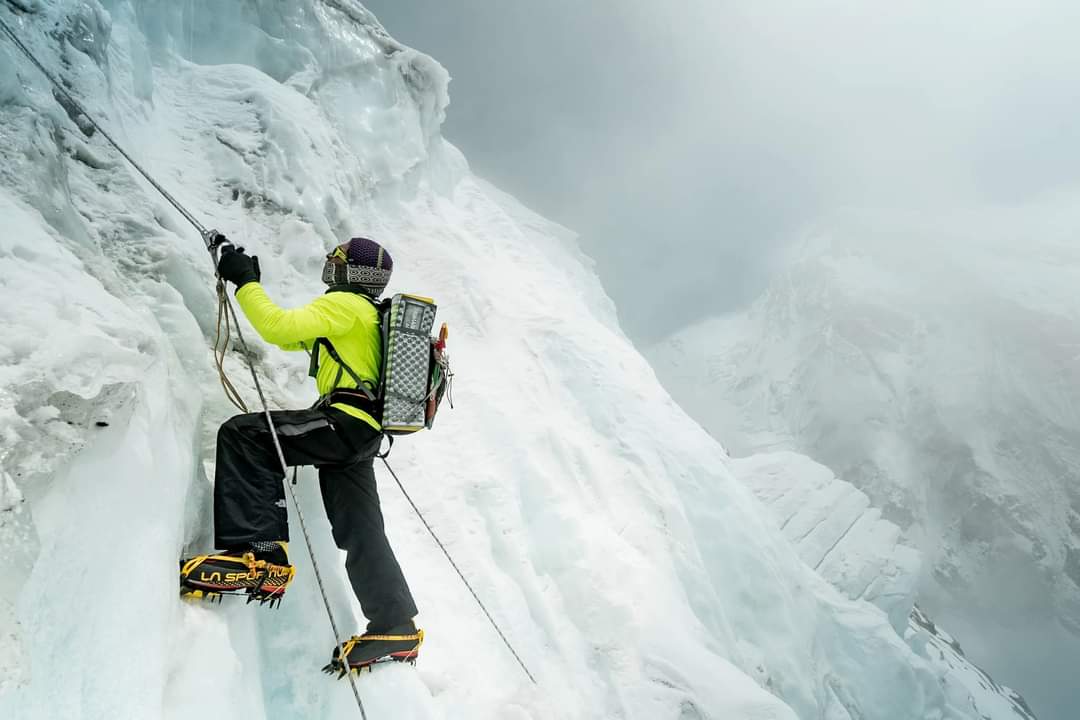


A Thrilling Himalayan Adventure
Mount Annapurna, standing at 8,091 meters, is the 10th-highest peak in the world and one of the most challenging mountains to climb. Known for its steep faces, technical routes, and unpredictable weather, it has earned a reputation as a dream climb for experienced mountaineers. Despite its dangers, Annapurna continues to attract adventurers from around the world seeking a true high-altitude challenge.
A Brief History of Annapurna Expeditions
Annapurna made history in 1950 when French climbers Maurice Herzog and Louis Lachenal became the first humans to summit an 8,000-meter peak. This remarkable achievement paved the way for countless expeditions over the decades. However, Annapurna is still known for its high fatality rate, making it a mountain that commands respect and careful preparation.
Best Time to Climb
The ideal time for an Annapurna expedition is during the pre-monsoon (April-May) and post-monsoon (September-October) seasons. These periods offer more stable weather, clearer skies and better visibility of the Himalayan range. Climbers must still be prepared for extreme conditions, including avalanches, heavy snowfall and high-altitude challenges.
Climbing Routes and Itinerary
Most expeditions follow the north-west face route, which combines rock, snow and ice climbing. The journey usually begins with a trek through the Annapurna Conservation Area, providing time to acclimatize before the climb. Depending on weather and acclimatization schedules, the full expedition can take 40-50 days.
This route allows climbers to experience a variety of landscapes, from lush Himalayan forests and terraced villages to rugged glaciers and high-altitude passes, making the expedition as scenic as it is challenging.
Challenges of Annapurna
Annapurna is considered one of the most dangerous 8,000-meter peaks due to technical climbing sections and avalanche risks. Climbers need excellent physical fitness, technical experience and strong mental resilience. Prior high-altitude experience is strongly recommended before attempting this mountain.
Cost and Permits
A full Annapurna expedition typically costs $25,000 to $35,000 per person, depending on services included by the trekking agency. This usually covers:
- Annapurna Conservation Area Permit (ACAP)
- Climbing permit from the Nepal Government
- Liaison officer fees
- Logistics, guides, accommodation, meals and equipment
Why Choose Annapurna?
Annapurna stands out from other Himalayan peaks because of its remote, rugged terrain and less crowded routes. While Everest and other peaks are heavily trafficked, Annapurna offers a more isolated and serene climbing experience. The expedition combines diverse landscapes, challenging climbs and a sense of true adventure, making it a favorite among serious mountaineers.
Key Takeaways
- Annapurna is extremely challenging and requires serious preparation.
- The best seasons to climb are spring and autumn.
- Climbers experience a mix of scenic treks, technical climbs and high-altitude adventure.
- Full expeditions typically take 40-50 days and require professional guidance.
The Annapurna Expedition is not for beginners. It demands careful planning, expert support, and determination. For those who take on this challenge, Annapurna offers a life-changing adventure, spectacular Himalayan scenery and the thrill of conquering one of the world’s most formidable peaks.
Fixed Departure Dates
| Trip Date | Seats Remaining | |
|---|---|---|
| April 1 - April 30 | 10 Seats Left | Book Now |
Itinerary
Arrival in Kathmandu (1,400 m)
Upon arrival in Kathmandu, you’ll be welcomed at the airport by our team and transferred to your hotel. After settling in, you’ll meet the expedition team for a pre-expedition briefing. This session covers important details such as the route, acclimatization schedule, gear check and safety instructions. You can also clarify any last-minute questions about permits, equipment and logistics.
Overnight: Hotel in Kathmandu
Meals: Dinner
Expedition Preparation and Briefing – Kathmandu (1,400 m)
This day is dedicated to preparing for the Annapurna expedition. You’ll complete the final paperwork, including climbing permits and liaison officer documentation and have a thorough gear check to ensure all equipment is ready for the trek and climb.
You’ll also meet your Sherpa team, get introduced to your guides, and go through a detailed briefing covering the route, acclimatization schedule, safety procedures and emergency plans. This session ensures you understand every aspect of the expedition and gives you a chance to ask any last-minute questions about logistics, gear or high-altitude climbing.
Take the evening to relax and rest, as the trek will begin soon and proper preparation is key for a safe and successful climb.
Overnight: Hotel in Kathmandu
Meals: Breakfast, Lunch, Dinner
Flight to Pokhara (820 m) and Drive to Beni (830 m)
Today you’ll take a short, scenic flight from Kathmandu to Pokhara, offering stunning views of the Himalayan foothills and the surrounding landscapes. Upon arrival in Pokhara, you’ll embark on a drive to Beni, which serves as the starting point for the Annapurna Expedition.
The road to Beni passes through terraced fields, rivers and charming mountain villages, giving you a taste of rural Nepal and the natural beauty of the region. This day also allows you to relax after your flight and prepare mentally for the trek ahead.
Overnight: Lodge in Beni
Meals: Breakfast, Lunch, Dinner
Day 4–6: Trek to Annapurna North Base Camp (4,190 m)
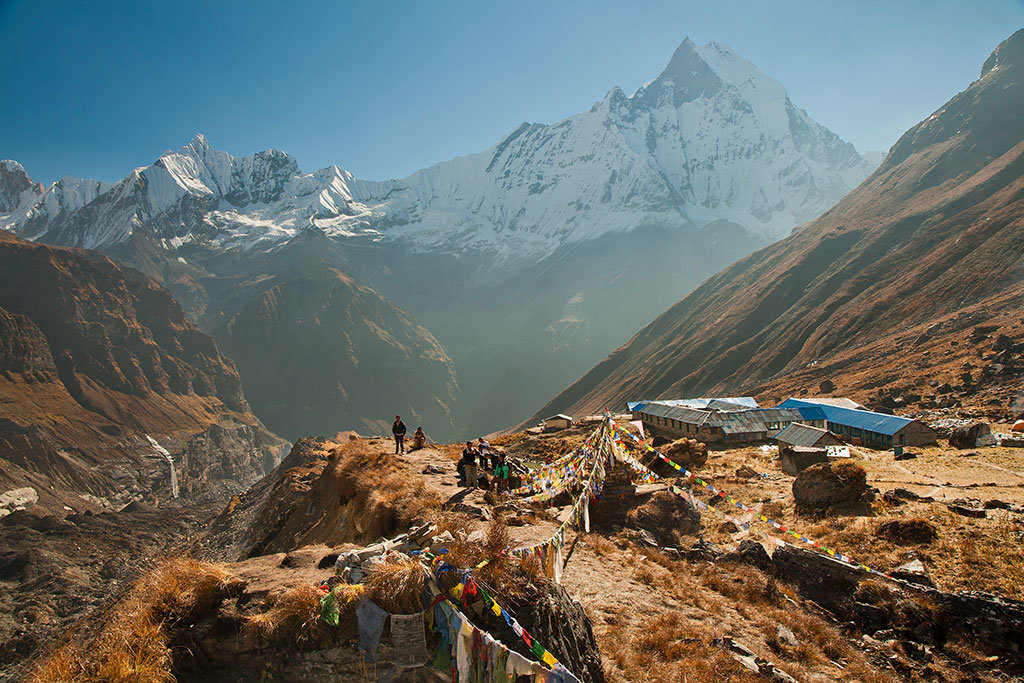
Over the next three days you will trek through lush forests, alpine meadows and glacial landscapes, gradually making your way to Annapurna North Base Camp. This portion of the trek is designed to help your body acclimatize to higher altitudes while enjoying some of the most scenic parts of the Annapurna region.
Along the way, you’ll pass through small villages, suspension bridges and rocky trails, taking in the beauty of terraced fields and distant snow-capped peaks. Each day offers unique photo opportunities and a chance to observe local life in the mountains.
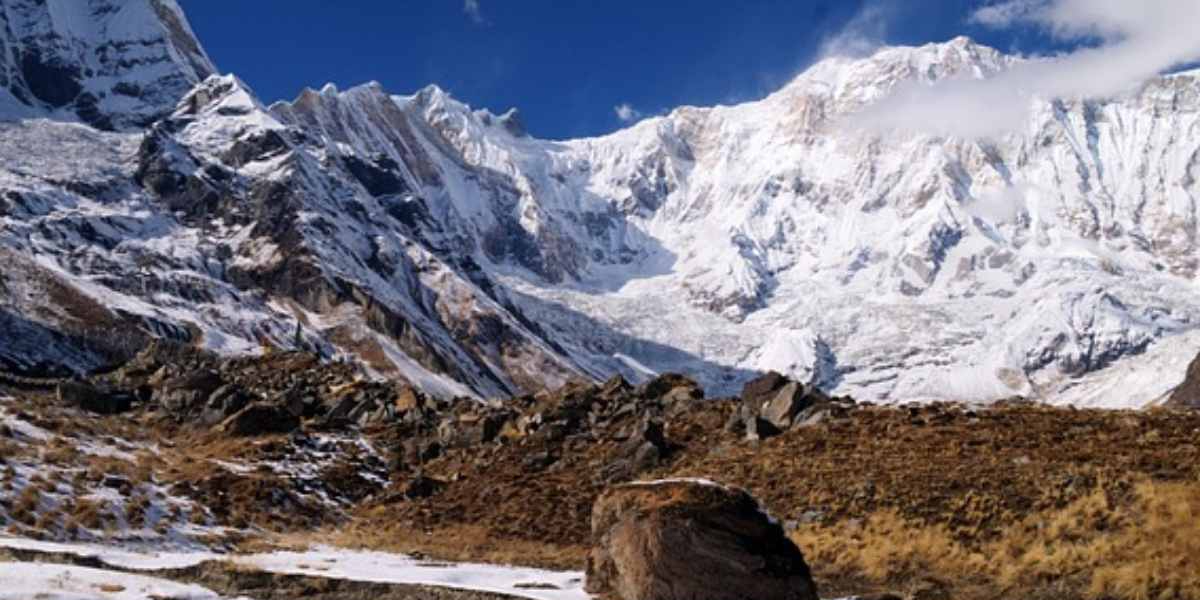
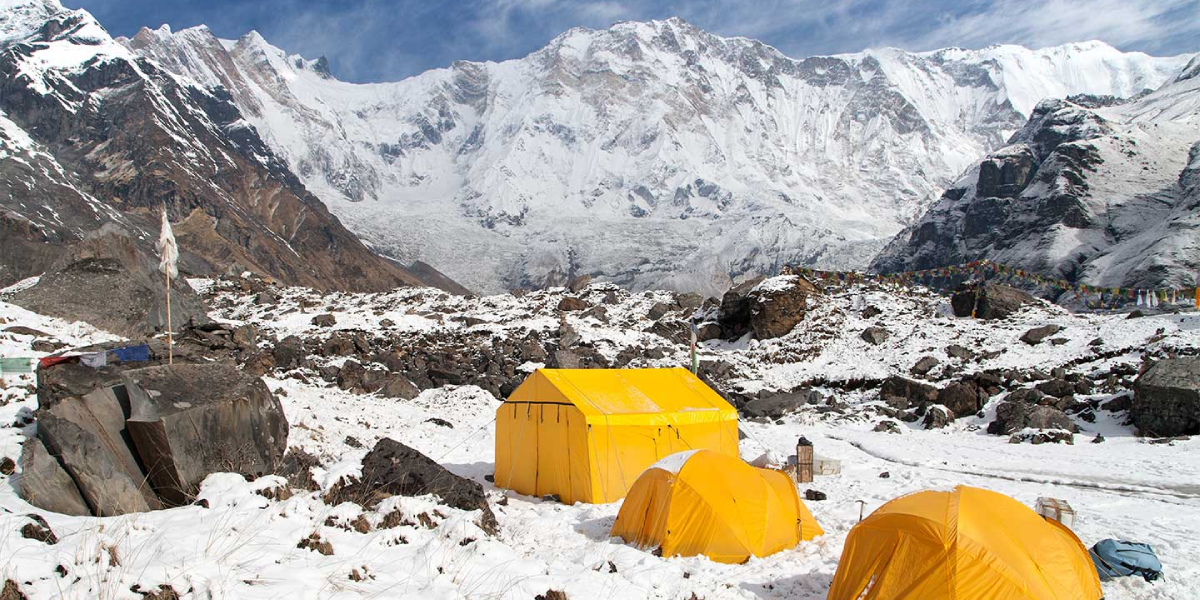
Upon reaching base camp, the real preparation for the summit attempt begins, including final gear checks, route discussions and rest for acclimatization. This is also a great time to soak in the majestic views of Annapurna’s north face and surrounding peaks.
Trekking Time: 5–6 hours per day
Overnight: Tented camp
Meals: Breakfast, Lunch, Dinner
Day 7–9: Acclimatization at Annapurna Base Camp (4,190 m)
Over the next three days, you’ll spend time at Annapurna Base Camp to acclimatize to the high altitude and prepare for the summit attempt. During this period, you’ll do short acclimatization hikes around base camp to help your body adjust while enjoying the surrounding alpine scenery.
The expedition team will also focus on preparing climbing gear and setting up higher camps for the ascent. This time allows you to observe the surrounding glaciers, peaks and moraines and understand the route ahead under the guidance of your Sherpa team.
Spending these days at base camp ensures you are physically and mentally ready for the technical challenges of the summit climb. It’s a crucial step for a safe and successful expedition.
Overnight: Tented camp
Meals: Breakfast, Lunch, Dinner
Day 10–35: Climb Annapurna (8,091 m)
The climb of Mt. Annapurna involves a series of rotations between camps along the north-west face, allowing climbers to acclimatize gradually while progressing toward the summit. During this period, the expedition team will set up four high camps along the route:
- Camp 1 (5,200 m): The climb begins with a steep snow slope and crevasses, requiring careful navigation and proper rope techniques.
- Camp 2 (5,700 m): The route features a mix of rock and snow sections, testing both endurance and technical climbing skills.
- Camp 3 (6,500 m): The trail continues over snow and ice slopes, with exposure to higher-altitude conditions.
- Camp 4 (7,100 m): This is the final camp before the summit push. The climb from here is the most technical, involving steep ice and rock sections that demand expert skill and focus.
The final summit push is the most demanding part of the expedition. Depending on weather and conditions, it can take 10–15 hours to reach the top at 8,091 meters. From the summit, climbers are rewarded with panoramic views of the entire Annapurna range, a truly unforgettable experience.
After the summit, climbers descend carefully back to lower camps and eventually to base camp, retracing the route with guidance from the Sherpa team. This period also allows for recovery and reflection on the journey.
Climbing Time: Multiple rotations over 20–25 days
Overnight: High-altitude camps
Meals: Breakfast, Lunch, Dinner
Day 36–40: Return to Annapurna Base Camp and Trek to Pokhara
After the successful summit, you’ll descend carefully back to Annapurna Base Camp, allowing time to rest and recover from the climb. Spending a day at base camp gives you the chance to reflect on your achievement and enjoy the surrounding Himalayan scenery one last time.
Once rested, the trek back begins, retracing your route through alpine meadows, forests and mountain villages as you gradually descend toward lower altitudes. This journey offers a more relaxed pace, allowing you to soak in the landscapes and capture memorable photos.
From the trekking trail, you’ll continue your journey to Pokhara, where you can relax at a comfortable lodge and enjoy a well-deserved rest after the long expedition.
Trekking Time: 5–6 hours per day
Overnight: Lodge in Pokhara
Meals: Breakfast, Lunch, Dinner
Day 41: Flight to Kathmandu (1,400 m)
Today you’ll take a scenic flight from Pokhara back to Kathmandu, offering beautiful aerial views of the Himalayan foothills and Pokhara Valley. Upon arrival, you’ll be transferred to your hotel, where you can relax and reflect on your incredible expedition.
If time allows, you can explore Kathmandu’s vibrant markets, local cafes, or cultural landmarks such as Durbar Square, Pashupatinath Temple or Boudhanath Stupa, soaking in the city’s rich culture before departure.
Overnight: Hotel in Kathmandu
Meals: Breakfast, Dinner
Day 42: Departure
After completing your incredible Annapurna expedition, you will be transferred to Tribhuvan International Airport in Kathmandu for your onward flight home. Our team will bid you farewell, celebrating your achievement and the memories of this once-in-a-lifetime adventure.
Meals: Breakfast
Includes/Excludes
- Arrival and Departure Transfers :Complimentary airport pick-up and drop-off service with private vehicle for all team members.
- Luxury Hotel Accommodation in Kathmandu:5 nights stay at a 4-star hotel in Kathmandu, twin-sharing basis, including breakfast (B/B).
- Welcome Dinner :Welcome dinner in a top-rated tourist restaurant in Kathmandu, accompanied by your guide.
- Cargo and Logistics Management :Full international air cargo clearance of personal luggage, including payment of all necessary government taxes in Nepal.
- Climbing Permit & Government Fees:Expedition royalty and permit from the Government of Nepal to climb Mt. Annapurna. TIMS card, Conservation Area entry permits, and all required fees.
- Liaison Officer :An experienced Government Liaison Officer with full equipment, salary, and accommodation during the expedition.
- Environmental Responsibility :Proper garbage management with stool shipment transfer and garbage deposit fees.
- Insurance :Comprehensive medical and emergency rescue insurance for all Nepalese staff during the trek and expedition.
- Trekking and Climbing Maps : High-quality trekking and climbing maps provided.
- Member Transportation : Private transportation for members from Kathmandu to Lete and return, using a private jeep, car, or bus.
- Expedition Staff Transportation : Transportation for all necessary equipment and staff to and from the expedition site.
- Personal Baggage Allowance : Up to 60 kg of personal baggage carried by porters during the trek for each member.
- Meals and Accommodation :Three full meals a day (Breakfast, Lunch, Dinner) including tea/coffee at hotels, lodges, tea houses, or tents throughout the trek and at base camp. Well-organized dining arrangements for all team members and staff.
- Porter Services : Porters to carry personal baggage from Lete to Base Camp and return.
- Base Camp Staff : Highly experienced and trained base camp cook and kitchen helpers as requested.
- Staff Salaries & Allowances : All wages, salaries, and allowances for Nepalese staff and porters, including equipment, food, and clothing.
- Individual Base Camp Tent : Each member will be provided with an individual tent (North Face or Mountain Hardwear) at Base Camp.
- Base Camp Equipment & Facilities : Foam mattress and pillow for each member. Full setup including dining tent, kitchen tent, communication tent, toilet, shower tent, staff tents, storage tent, tables, chairs, and all necessary cooking gear. Heaters in dining tents and other necessary locations. Solar or generator for lighting and battery charging at Base Camp.
- Climbing Sherpa : A government-licensed veteran Sherpa assigned to each member (1 member: 1 Sherpa ratio).
- Sherpa Support : Climbing Sherpa’s food, salary, equipment, and clothing provided.
- Oxygen Support : Two 4-liter oxygen bottles for each member, along with one oxygen bottle for the climbing Sherpa. Oxygen masks and regulators for both members and Sherpas, with backup oxygen available for an additional fee.
- Rope Fixing Team : A specialized Sherpa team will manage the route fixing on Mt. Annapurna without additional charges for members.
- High Altitude Camp Services : Full high-altitude support with tents, cooking supplies, gas, and high-altitude food for members, Sherpas, and the entire climbing team across Camp 1, Camp 2, Camp 3, and Camp 4.
- Internet Access : Reliable, high-speed internet access via Wi-Fi at Base Camp (available on a payable basis).
- Satellite Communication : Satellite phone for emergency communication carried by Sherpas, available for members at an additional charge. Walkie-talkies provided for communication between base camp and the mountain. Permit for Satellite Phone & Walkie-Talkie All permits for communication devices are arranged for both members and staff.
- Weather Forecasting : Daily weather updates provided throughout the expedition.
- Medical Kit : Comprehensive medical kits available for all members and staff.
- Climbing Certificate : Official Annapurna Climbing Certificate issued by the Nepal Tourism Board (NTB) upon successful completion of the climb.
- International Flight (From to Kathmandu)
- Nepali entry visa Fee 15 day (Multiple Entry) $30 (30 days Multiple $ 50) 90 Days multiple Entry $125 Visa Extension (within Valid visa period Additional $ 25 Visa Extension After visa expiration Late fee per day $ 5.
- Lunch & Dinner during the Stay in Kathmandu (Also incase early Return from Trekking Expedition Then the scheduled itinerary).
- Extra night Kathmandu Accommodation in case of early arrival or Late Departure, Early Return from Trekking / Expedition ( Due to any reason) Then the scheduled itinerary.
- Insurance Travel and high- altitude Insurance, Accident, Helicopter Medical & Emergency evacuation.
- Medical and Emergency Rescue Evacuation cost of required (Rescue, repatriation, Helicopter, Medication, Medical Test and hospitalization Cost.)
- Personal expenses Tele [phone call, internet, Toiletries, Battery Recharge, Hot shower, laundry, Soft Drink, Beer and Alcoholic beverages (During the trek)
- Personal Equipment packing items or Bag, Personal Medical kit personal Trekking and climbing gear.
- Special filming Camera and Drone permit fee.
- Toilet Soap, Shampoos, Toilet and tissue paper, toothpaste, and other item use to keep yourself clean.
- Internet Service not include During the Trek and Expedition.
- Summit Bonus For Climbing Sherpa Minimum $ 500 For full board Service takers.
- Tips for Base Camp Staff.
Photo Gallery
Packing List for Annapurna Expedition (8,091 m)
- Base layers: Moisture-wicking thermal tops and bottoms for layering
- Mid layers: Fleece jackets or down vests for warmth
- Outer layers: Waterproof and windproof jacket and pants (Gore-Tex recommended)
- Down jacket: High-quality, warm down jacket for high camps and summit push
- Insulated pants: For high-altitude climbing
- Gloves: Lightweight liner gloves and thick insulated gloves for summit
- Hat & balaclava: Warm hat, balaclava and neck gaiter for cold and wind protection
- Socks: High-quality trekking socks and warm thermal socks for higher camps
- Trekking boots: Waterproof, well-broken-in boots for trekking to base camp
- Mountaineering boots: Insulated high-altitude boots compatible with crampons
- Gaiters: To prevent snow and debris from entering your boots
- Camp shoes: Lightweight shoes or sandals for relaxing at base camp
- Crampons: For icy and snowy slopes
- Ice axe: Essential for technical sections
- Harness: Lightweight climbing harness for rope work
- Helmet: For protection against falling rocks and ice
- Carabiners & slings: For safety while climbing
- Ascenders & rappel device: If required by technical sections
- Sleeping bag: High-quality, four-season sleeping bag rated for -20°C or lower
- Sleeping mat: Insulated mat for extra warmth and comfort at high camps
- Tents: Expedition-grade tents provided by the trekking agency
- Backpack: 50–60 L for trekking and 30–40 L daypack for summit pushes
- Trekking poles: Adjustable poles for stability on rocky trails and glaciers
- Sunglasses: High UV protection to prevent snow blindness
- Headlamp: With extra batteries for night-time use
- Water bottles & hydration system: To stay hydrated at all altitudes
- Water purification: Tablets or filter for safe drinking water
- Sunscreen & lip balm: High SPF for intense sun exposure at high altitude
- Personal first-aid kit: Include altitude sickness medication, bandages and painkillers
- Personal hygiene items: Biodegradable soap, toothbrush and wet wipes
- Camera or GoPro: To capture the stunning scenery
- Notebook & pen: For journaling your expedition
- Energy snacks: Trail mix, protein bars or chocolate for extra energy
- Portable battery packs: For charging electronics at base camp
- Layering is key: Weather conditions vary drastically from lower trails to high camps. Layering ensures flexibility and comfort.
- Test your gear: Make sure boots, crampons and jackets are well broken-in before the expedition.
- Pack light for summit pushes: Only carry essential items in your daypack to avoid fatigue.
- Label your gear: Expeditions involve many shared items; labeling prevents mix-ups.