Hardest Sections of the Everest Base Camp Trek: What You Need to Know
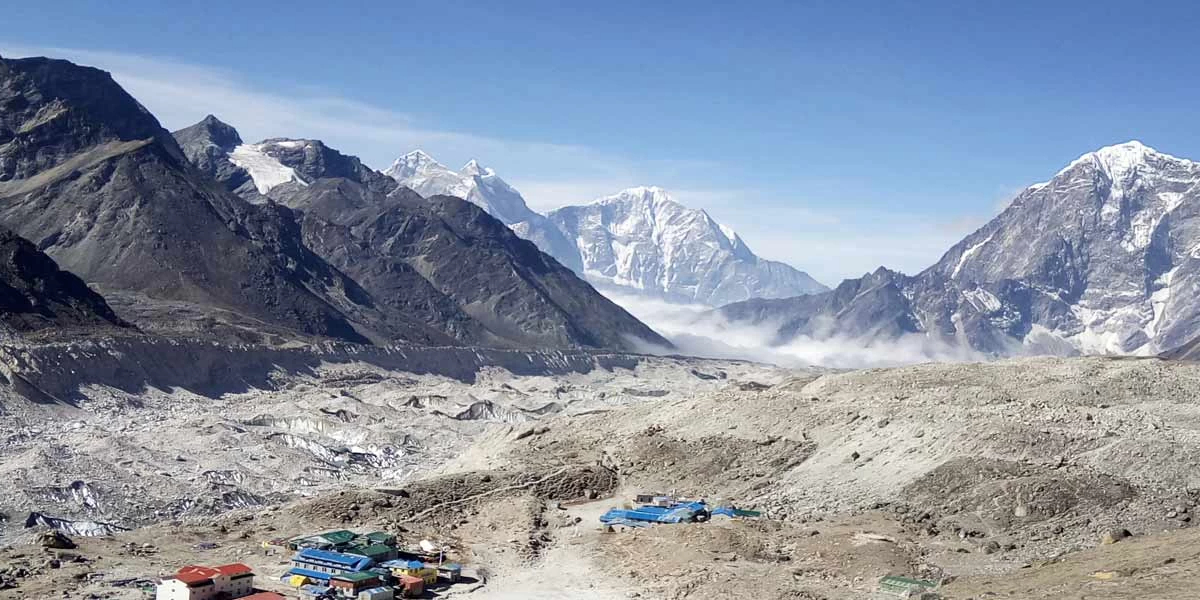
The Everest Base Camp Trek is one of the most iconic journeys in the world. Every year, thousands of trekkers set out to witness the majestic Himalayas, experience Sherpa culture and stand at the foot of the world’s tallest mountain. While the trek is incredibly rewarding, it comes with its fair share of challenges. Knowing the hardest sections in advance can make a huge difference in your preparation, safety and overall experience. Understanding the EBC trek difficulty helps you plan your pace, acclimatization and gear, ensuring that each step is safer and more enjoyable.
Overview of Trek Difficulty
The Everest Base Camp trek is often described as moderately to highly challenging. While it doesn’t require technical climbing skills, the trek pushes your body in several ways:
- Altitude: You’ll climb from roughly 2,800 meters at Lukla to over 5,300 meters at Everest Base Camp. Rapid altitude gain increases the risk of altitude sickness.
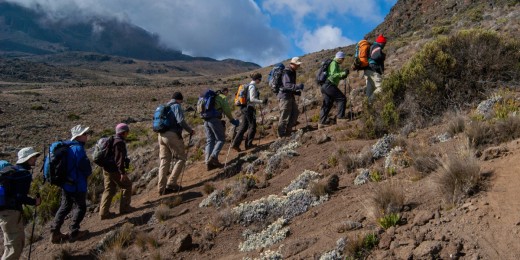
- Terrain: Trails can be rocky, uneven and steep, with dusty or icy stretches depending on the season.
- Weather: Temperatures fluctuate and sudden snow or rain can make paths slippery and visibility poor.
- Duration: The trek usually takes 12–14 days, demanding sustained stamina and endurance.
Some sections are naturally tougher than others. Long climbs, high-altitude stretches and days with limited rest make certain parts of the trek the real test of strength and determination.
The Hardest Sections of the Everest Base Camp Trek
1. Namche Bazaar Climb
Distance & Altitude: 9 km, 2,800 m → 3,440 m
Why it’s tough: This climb is your first major altitude gain. The trail is steep and your legs will feel the burn quickly. Trekking here requires patience and proper pacing. Many trekkers underestimate this section, making it a common place to feel exhausted early in the trek.
2. Tengboche and Phunki Tenga Ascents
Distance & Altitude: Phunki Tenga → Tengboche is roughly 5 km, 2,670 m → 3,860 m
Why it’s tough: The trail is steep with long uphill stretches. Exposure to wind and cold can make the trek more difficult and you’ll start feeling the effects of thinner air. Tengboche Monastery sits at a scenic but high elevation, so trekking here tests both fitness and acclimatization.
3. Thukla Pass (Dingboche → Lobuche)
Distance & Altitude: 8 km, 4,410 m → 4,940 m
Why it’s tough: Thukla Pass is rocky, exposed and one of the highest points you’ll cross before reaching EBC. Altitude effects like shortness of breath and fatigue are strongest here. Weather can be unpredictable, with icy paths or strong winds adding to the challenge.
4. Lobuche → Gorak Shep → Everest Base Camp
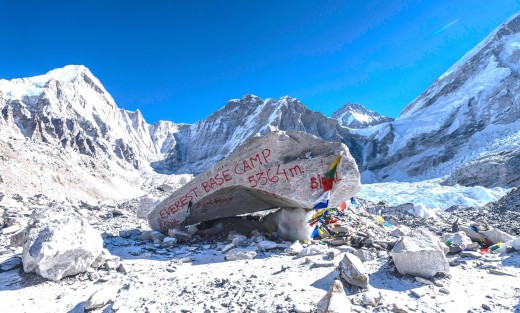
Distance & Altitude: 12 km, 4,940 m → 5,364 m
Why it’s tough: This is the most physically demanding section of the trek. The trail is high, barren and rocky. Each step requires more energy due to reduced oxygen levels. Many trekkers report this as the longest and hardest day, even though the distance may seem manageable.
5. Kala Patthar Summit
Distance & Altitude: 2 km, 5,545 m (round trip from Gorak Shep)
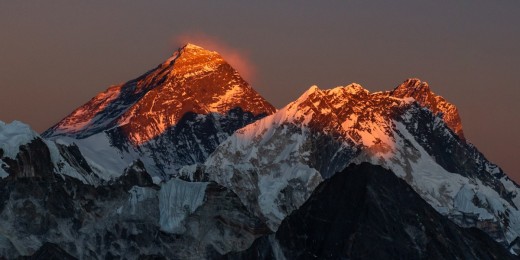
Why it’s tough: The climb is short but extremely steep. The altitude makes every step exhausting and winds can be strong. Reaching Kala Patthar provides one of the best panoramic views of Mount Everest, making the effort worthwhile, but it remains the ultimate test of endurance on the trek.
Tips to Prepare for These Sections
- Acclimatization: Follow the “climb high, sleep low” principle. Spend extra nights at Namche or Dingboche if needed.
- Training & Fitness: Build cardiovascular endurance and leg strength before your trek. Long hikes with a weighted backpack are ideal practice.
- Gear: Invest in sturdy trekking boots, layers for cold and wind, trekking poles and a good daypack.
- Pacing: Walk slowly and steadily. Listen to your body and take breaks. Avoid rushing through high-altitude stretches.
Quick Difficulty Chart
| Section | Distance | Altitude Gain | Difficulty |
|---|---|---|---|
| Namche Bazaar Climb | 9 km | 640 m | Moderate |
| Phunki Tenga → Tengboche | 5 km | 1,190 m | Moderate-High |
| Thukla Pass | 8 km | 530 m | High |
| Lobuche → Gorak Shep → EBC | 12 km | 424 m | Very High |
| Kala Patthar | 2 km | 181 m | Extreme |
Turning Difficult Steps into Unforgettable Memories
The Everest Base Camp trek is a journey of a lifetime, but certain sections will challenge even the most prepared trekkers. From the initial climbs at Namche Bazaar to the high-altitude push to Everest Base Camp and Kala Patthar, these hardest sections demand respect, preparation and careful pacing. With proper acclimatization, fitness and gear, these challenges are manageable and can even become highlights of your adventure.
Plan your Everest Base Camp trek wisely and stay safe. Every tough step takes you closer to one of the most unforgettable experiences on earth.