Winter Wonderland: The Magic of Trekking ABC and Poon Hill in the Snow
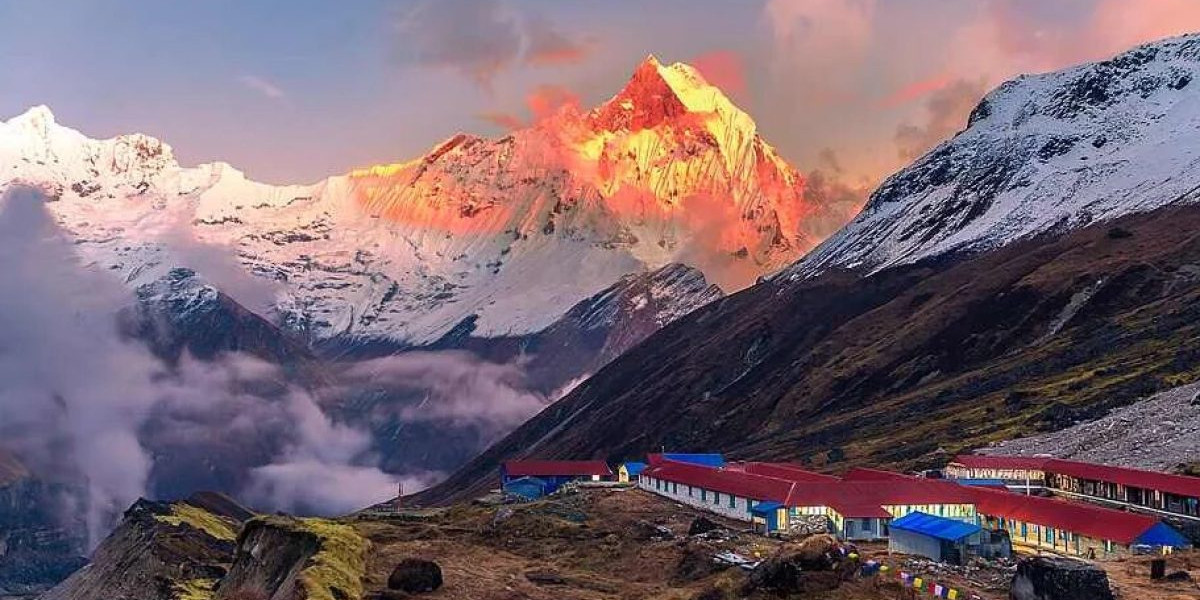
When winter arrives in the Himalayas the Annapurna region turns into a quiet world of snow and light. Forests soften under white layers villages slow down and the mountains stand sharp against clear blue skies. For trekkers who enjoy peaceful trails and dramatic scenery winter is one of the most rewarding times to experience the Annapurna Base Camp Trek together with the classic Poon Hill route.
Unlike spring and autumn winter trekking follows a calmer rhythm. Days feel slower nights feel cozier and every view feels more personal. Trekking ABC and Poon Hill in the snow is not only about reaching a destination but about enjoying silence beauty and the raw presence of the mountains.
A Different Experience on the Annapurna Base Camp Trek
The Annapurna Base Camp Trek is known for its rich variety of landscapes. Within a few days the trail moves from terraced fields and traditional Gurung villages into dense forests narrow gorges and finally the high glacial basin of Annapurna Sanctuary. Winter adds a unique character to each stage of the journey.
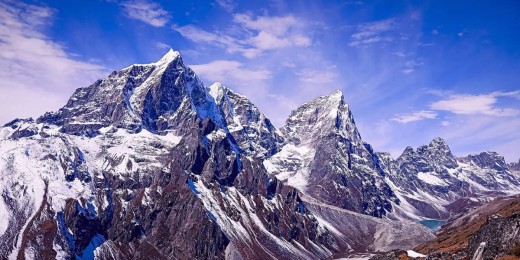
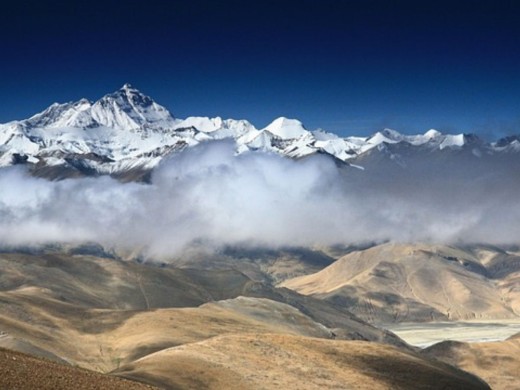
Snow-covered paths create clean and dramatic scenery. Rhododendron and pine forests appear still and untouched. Stone villages look timeless beneath white roofs. Cold winter air clears the atmosphere and delivers some of the sharpest mountain views of the year. Annapurna South Hiunchuli Machapuchare and Annapurna I feel closer and more powerful than in warmer seasons.
Another major advantage of winter trekking is the lack of crowds. The Annapurna Base Camp route is one of Nepal’s most popular treks but during winter many sections feel wonderfully quiet. You often walk for hours without meeting other trekkers. Teahouses are peaceful meals feel relaxed and conversations with locals become more meaningful.
Poon Hill in Winter: A Snowy Sunrise Moment
Poon Hill is often included before or after the Annapurna Base Camp Trek and winter is a beautiful time to visit this famous viewpoint. Known for one of the best sunrise panoramas in Nepal Poon Hill becomes even more magical when snow blankets the surrounding hills.
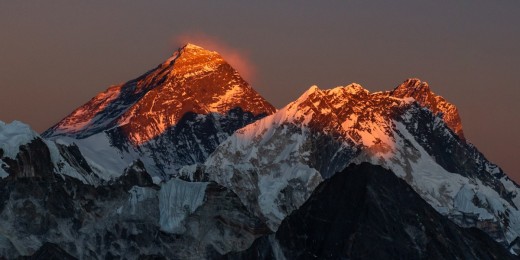
The early morning climb may feel cold but the reward is unforgettable. As the sun rises warm light spreads slowly across Dhaulagiri Annapurna South Annapurna I and Machapuchare. Snow reflects these colors beautifully creating a glowing Himalayan skyline.
Winter mornings often bring clear skies which increases the chance of uninterrupted views. While other seasons sometimes bring haze winter usually offers crisp visibility that photographers and mountain lovers appreciate deeply.
Quiet Villages and Genuine Hospitality
One of the most special parts of winter trekking is the atmosphere in mountain villages. Places like Ghandruk Chhomrong and Bamboo feel calmer and more authentic during the colder months. With fewer trekkers around evenings are quieter fires burn longer and lodge owners have more time to talk.
After walking through snow-covered trails stepping into a warm teahouse feels incredibly comforting. A hot meal a cup of tea and the sound of wind outside create moments you remember long after the trek ends. Winter may be cold outdoors but the hospitality inside the lodges feels warmer than ever.
Snow Conditions and Smart Preparation
Trekking the Annapurna Base Camp Trek in winter does require careful preparation. Night temperatures drop especially at higher points such as Deurali Machapuchare Base Camp and Annapurna Base Camp. Snowfall can make sections of the trail slippery and slow.
With proper gear and experienced guidance the trek remains safe and enjoyable. Warm layered clothing insulated jackets waterproof boots and trekking poles make a big difference. Local guides understand winter conditions well and adjust walking times and routes when needed.
Unlike high-pass treks that often close due to heavy snowfall the ABC route stays accessible in most winter conditions. This makes the Annapurna Base Camp Trek one of the best winter trekking options in Nepal.
Annapurna Base Camp in Winter: A True Highlight
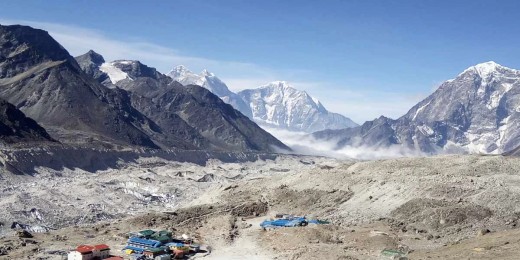
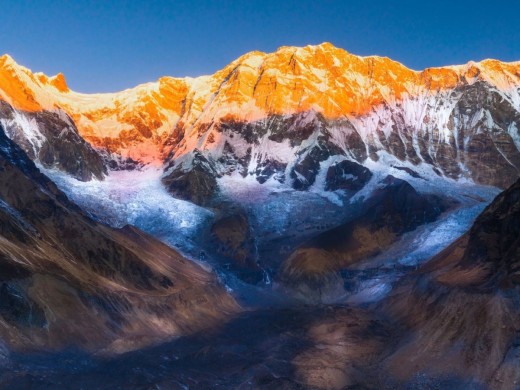
Reaching Annapurna Base Camp in winter is an unforgettable experience. The base camp lies at 4,130 meters surrounded by massive Himalayan peaks on all sides. In winter the sanctuary often sits under deep snow creating a true alpine environment.
Standing at base camp early in the morning as sunlight touches Annapurna I feels deeply moving. Silence surrounds you broken only by the wind and distant sounds of snow shifting on the slopes. With fewer trekkers present the place feels peaceful and almost spiritual.
This moment represents the heart of the Annapurna Base Camp Trek and winter allows you to experience it in its purest form.
Why Choose Winter for the Annapurna Base Camp Trek
Many trekkers hesitate to trek in winter due to cold weather but those who do often call it their favorite season. Landscapes feel dramatic trails feel intimate and the connection with nature feels stronger.
Winter trekking also offers better availability of accommodation and more flexible planning. Guides and porters have more time and the overall journey feels unrushed. For photography winter light and snow-covered peaks create stunning contrasts that are hard to match in other seasons.
Planning with the Right Support
Winter trekking requires good planning and local experience. From choosing the best route to checking lodge availability and monitoring weather conditions having the right support ensures a safe and comfortable journey.
For a complete itinerary seasonal advice and professional guidance explore the Annapurna Base Camp Trek.
Final Thoughts
Trekking ABC and Poon Hill in the snow is more than a seasonal adventure. It is a quiet conversation with the mountains. Winter removes distractions and leaves behind pure beauty silence and wonder.
If you are searching for a trek that combines iconic Himalayan views cultural warmth and the magic of snow-covered landscapes the Annapurna Base Camp Trek in winter offers an experience that stays with you long after you return home.