Mustang Nepal Permit Cost: Updated Fees, Rules and What You Need to Know
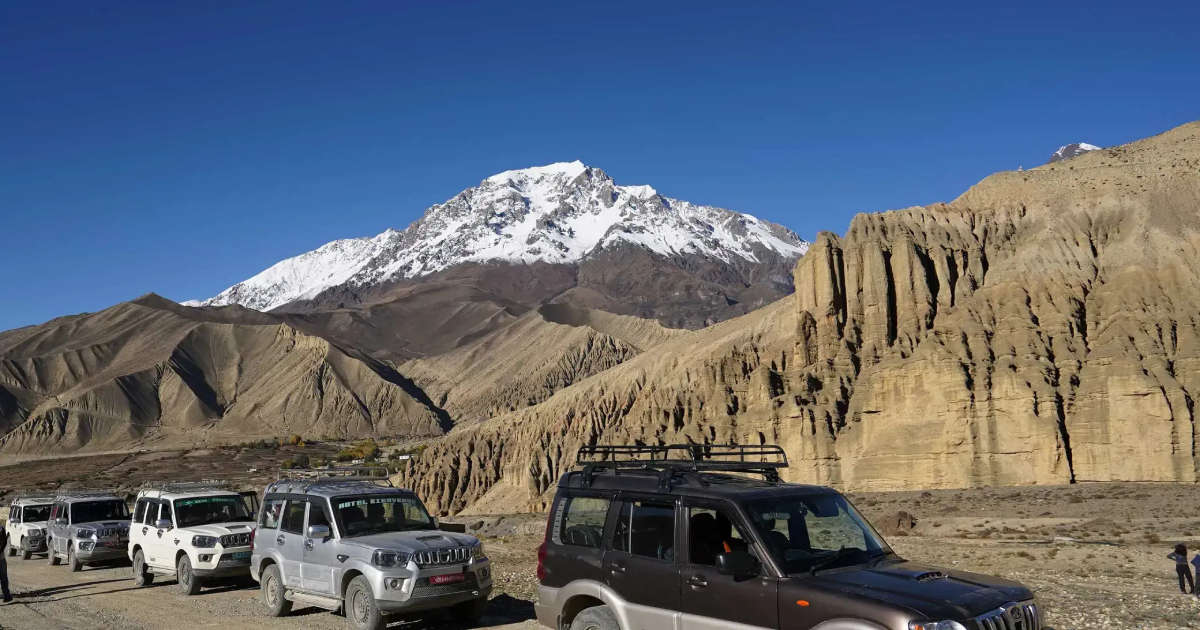
Picture a place where the land looks like a desert, the houses are made of mud and stone, and ancient monasteries sit quietly under wide blue skies. This is Mustang. It does not feel like the rest of Nepal and that is exactly why so many travelers dream of going there. But before you pack your bags, there is one important thing you must understand clearly. The Mustang Nepal permit cost.
Mustang is not a normal trekking area. The rules are different, the permits are special, and the cost is higher than most other regions in Nepal. If you do not know these details early, planning your trip can become confusing. This guide explains everything in simple words so you know what you are paying for and why it matters.
Where Is Mustang and Why Is It Special
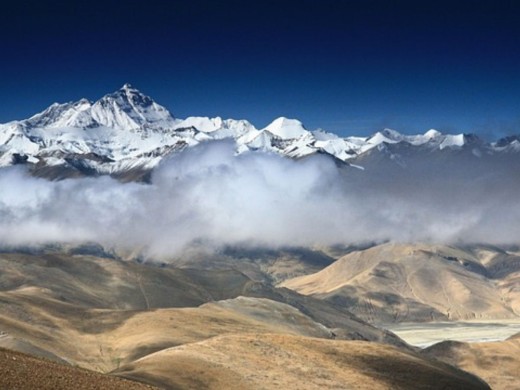
Mustang lies in the northern part of Nepal, close to the border with Tibet. The region is dry, windy and rocky. Many people call it the hidden kingdom of Nepal because it was closed to foreigners for a long time. Even today, access is controlled to protect local culture and traditions.
The people of Mustang follow a lifestyle that is deeply influenced by Tibetan Buddhism. You will see prayer flags, ancient caves and monasteries that are hundreds of years old. Because of this cultural value, the Nepal government created strict rules for visitors.
Upper Mustang and Lower Mustang Explained Simply
Mustang is divided into two parts. Upper Mustang and Lower Mustang.
Lower Mustang includes places like Jomsom, Kagbeni and Marpha. This area is open and easy to visit. Upper Mustang starts beyond Kagbeni and includes the famous walled city of Lo Manthang. This is the restricted area.
The Mustang Nepal permit cost depends on which part you visit. Upper Mustang costs much more than Lower Mustang because of special government rules.
Why Upper Mustang Needs a Special Permit
Upper Mustang is protected to limit tourism and preserve its culture. The government allows only a limited number of trekkers and everyone must follow strict rules. You cannot walk in alone or plan the trip yourself.
To enter Upper Mustang, you must go through a registered trekking agency and travel with a licensed guide. This rule helps manage tourism and ensures safety in a very remote area.
Mustang Nepal Permit Cost for Upper Mustang
For Upper Mustang, you need two permits. These permits are mandatory and cannot be skipped.
The main permit is called the Restricted Area Permit. This permit costs USD 500 per person. It is valid for 10 days. If you stay longer than 10 days, you must pay USD 50 per person for each extra day.
You also need the Annapurna Conservation Area Permit. This costs NPR 3,000 per person. This fee supports conservation and local development in the Annapurna region.
When people talk about the Mustang Nepal permit cost, they are usually talking about the USD 500 fee. It is high compared to other trekking areas but it plays an important role in protecting Upper Mustang.
Mustang Nepal Permit Cost for Lower Mustang
Lower Mustang is much simpler and cheaper.
You only need the Annapurna Conservation Area Permit. There is no restricted area permit for Lower Mustang. This means you can trek independently if you want.
The cost remains NPR 3,000 per person. This makes Lower Mustang a popular choice for travelers who want a taste of Mustang without the high permit cost.
Can You Get the Permit by Yourself
For Upper Mustang, the answer is no. You cannot apply for the permit on your own.
The government requires a minimum of two trekkers and a registered trekking agency. The agency handles all paperwork and submits it to immigration. You only need to provide your passport copy, visa copy and photos.
For Upper Mustang, permits cannot be issued individually. This rule helps control visitor numbers and ensures safety in a remote region with limited facilities. To make the process simple and stress free, many travelers choose to arrange their Upper Mustang trek through a licensed local operator like Everest Trekkers, who manages permits, guides and all required logistics before the journey begins.
For Lower Mustang, you can get the permit yourself in Kathmandu or Pokhara, though many travelers still prefer using an agency for convenience.
Why the Permit Cost Is So High
Many travelers are surprised when they hear the Mustang Nepal permit cost for Upper Mustang. It feels expensive, especially compared to other treks in Nepal.
The high cost is intentional. It helps limit the number of visitors and reduces pressure on the environment. It also helps preserve monasteries, ancient caves and local traditions that could be damaged by mass tourism.
Another reason is that Mustang is very remote. Managing tourism there requires more resources, from administration to local support systems.
What the Permit Cost Does Not Include
It is important to understand that the permit fee is not the full cost of your trip. The permit only gives you legal access to the region.
Other costs include guide fees, accommodation, food, transportation and personal expenses. This is why planning with a trusted trekking company is helpful. They give you a clear idea of the total budget.
Best Time to Use Your Mustang Permit
The permit cost stays the same throughout the year, but your experience can change a lot depending on the season.
Spring and autumn are the most popular times. The weather is clear and the views are beautiful. Surprisingly, Mustang is also a great destination during the monsoon season. Since it lies in a rain shadow area, it receives very little rainfall compared to other parts of Nepal.
This makes Upper Mustang one of the few places in Nepal where summer trekking is possible.
Is the Mustang Nepal Permit Cost Worth It
This is a personal question, but most travelers who visit Upper Mustang say yes.
You are not just paying for a trek. You are paying for access to a place that feels untouched by time. Walking through Lo Manthang, exploring ancient caves and seeing daily life in remote villages is something you cannot experience anywhere else in Nepal.
If you want a deep cultural journey rather than a busy trail, Upper Mustang offers something truly special.
One Simple List of Permit Requirements
Here is a quick and easy overview to make things clear:
- Upper Mustang requires a Restricted Area Permit and an Annapurna Conservation Area Permit
- Lower Mustang only requires an Annapurna Conservation Area Permit
- Upper Mustang trekking must be done with a licensed guide and registered agency
- Solo permits are not issued for Upper Mustang
Common Questions Travelers Often Ask
Many people worry that the permit process is complicated. In reality, it is very simple when handled by a trekking agency. You do not need to visit government offices or deal with paperwork yourself.
Another common question is whether the permit cost changes every year. The fee has remained stable for many years, and sudden changes are rare. Still, it is always best to confirm current rates when planning your trip.
Some travelers also ask if children can go to Mustang. Yes, they can, but the permit cost applies to everyone, regardless of age.
Planning Your Mustang Trip the Smart Way
Because of the high permit cost, Mustang is not a last minute trip. It requires planning and clear communication with your trekking agency.
A good agency will explain the route, manage permits, arrange guides, and help you understand what to expect day by day. This makes your journey smoother and more enjoyable.
Planning Your Mustang Journey
Understanding the Mustang Nepal permit cost is one of the most important steps in planning your trip. Upper Mustang comes with higher fees and stricter rules, but it also offers one of the most unique experiences in Nepal. Lower Mustang is easier and more affordable, making it a great option for travelers with limited time or budget.
Whichever you choose, Mustang rewards you with landscapes, culture and memories that stay with you long after the trek ends.