Lobuche Peak vs Island Peak vs Mera Peak: Which Climb Is Right for You?
Climbing a mountain is not just about reaching the top. It is about choosing the right challenge for your body, your mindset and your experience. In Nepal, three peaks stand out for climbers who want something big but achievable: Lobuche Peak, Island Peak and Mera Peak.
Nepal’s Famous Trekking Peaks Explained
Nepal has many mountains that are called trekking peaks. That does not mean they are easy walks. It means they are lower than the giant eight-thousand-meter peaks and can be climbed with proper preparation and a guide. Lobuche, Island and Mera are the most popular because they offer real Himalayan climbing without requiring years of professional experience.
Still, each one feels very different once you are actually on the mountain.
Lobuche Peak: For Those Who Want a Real Challenge
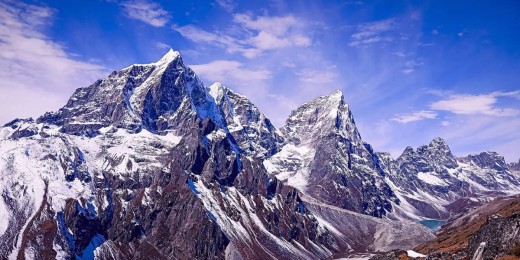
Lobuche Peak is the toughest of the three. This climb is not just about walking uphill. It includes steep snow slopes, icy sections and narrow ridges where focus really matters. You will use ropes, harnesses, crampons and ice axes in a serious way.
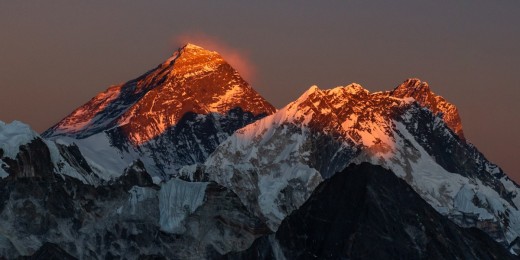
This peak is best for people who already have some climbing experience or who are very comfortable with physical challenges. The reward is huge. From the top, you feel close to Everest, Lhotse and Nuptse. The mountains feel massive and powerful, almost within reach.
The journey to Lobuche Peak usually follows the Everest region trails. You pass famous places like Namche Bazaar and Everest Base Camp. This adds excitement, but it also means busy trails until you break off toward the peak.
Lobuche Peak is not about comfort. It is about pushing yourself and feeling proud of what your body and mind can do.
Island Peak: The Perfect First Climbing Peak
Island Peak is often called the best beginner climbing peak in Nepal. That does not mean it is easy, but it is more forgiving than Lobuche. It mixes trekking with basic mountaineering skills. You will learn how to walk with crampons, use an ice axe and climb fixed ropes.
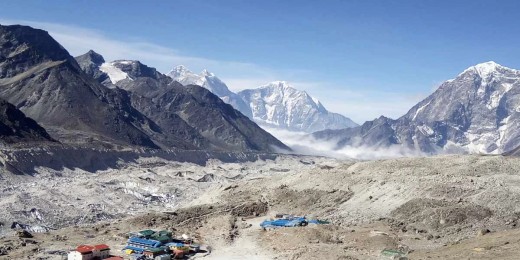
Many people choose Island Peak after doing the Everest Base Camp trek. The mountain rises beautifully from the valley and the final climb feels exciting without being overwhelming. It gives you a true sense of what Himalayan climbing is like.
Island Peak is very popular, especially in peak seasons. You will meet climbers from all over the world. For some people, this feels fun and social. For others, it feels crowded. Still, the energy on the mountain can be motivating, especially if it is your first climb.
If you want a challenge that builds confidence and skills, Island Peak fits well.
Mera Peak: High Altitude, Gentle Climbing
Mera Peak is the highest of the three, but surprisingly, it is the least technical. The climb mostly involves walking on snow with gentle slopes. There are very few steep or scary sections. The main challenge is the altitude, not the climbing itself.
This makes Mera Peak a great choice for beginners who want to experience extreme height without complex climbing moves. It is also ideal for people who enjoy long walks and steady progress rather than intense technical sections.
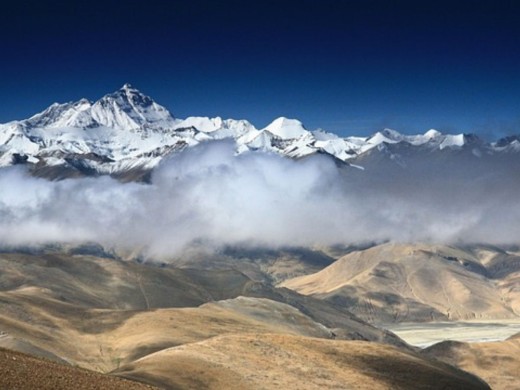
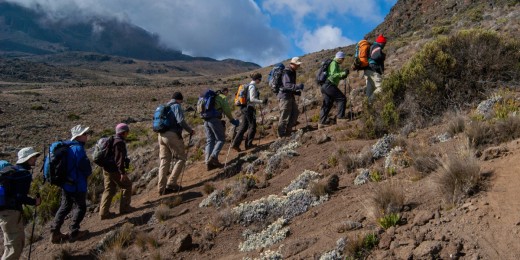
The trail to Mera Peak is quieter and more remote. You pass through peaceful villages and forests before reaching wide glaciers. On a clear day from the summit, you can see five of the world’s highest mountains, including Everest and Kanchenjunga. The view is one of the widest in Nepal.
Mera Peak feels calm and majestic. It is less about adrenaline and more about endurance and scenery.
How These Peaks Compare at a Glance
| Feature | Lobuche Peak | Island Peak | Mera Peak |
|---|---|---|---|
| Technical difficulty | Very high | Moderate | Low |
| Best for | Experienced climbers | First-time climbers | Beginners focused on altitude |
| Height | Around 6,100 m | Around 6,189 m | Around 6,476 m |
| Crowds | Fewer climbers | Very popular | Less crowded |
| Main challenge | Steep, technical sections | Learning climbing skills | High altitude |
What Really Makes Them Different
The biggest difference between these climbs is not just height. It is the type of effort required. Lobuche demands strong climbing skills and confidence on steep terrain. Island Peak focuses on learning and applying basic mountaineering techniques. Mera Peak tests your patience and stamina at high altitude.
Another big factor is how busy the routes feel. Island Peak sees the most climbers, especially during spring and autumn. Lobuche has fewer people but attracts serious climbers. Mera Peak offers more solitude and a sense of quiet exploration.
Weather and timing also matter. All three peaks are best climbed in spring and autumn. Winter is cold and risky. Summer brings heavy rain and poor visibility.
Who Should Choose Which Peak
Here is one simple way to think about it:
- Choose Lobuche Peak if you already have climbing experience and want a tough, technical challenge
- Choose Island Peak if you want your first real Himalayan climb with skill learning
- Choose Mera Peak if you are new to climbing but want to stand very high in the mountains
Fitness is important for all three. Even Mera Peak, which is technically easy, requires strong lungs and legs because of the altitude. None of these climbs should be taken lightly.
Mental readiness matters too. Long days, cold mornings and simple living are part of the experience. If you enjoy pushing through discomfort for a big reward, these peaks can be life-changing.
The Experience Beyond the Summit
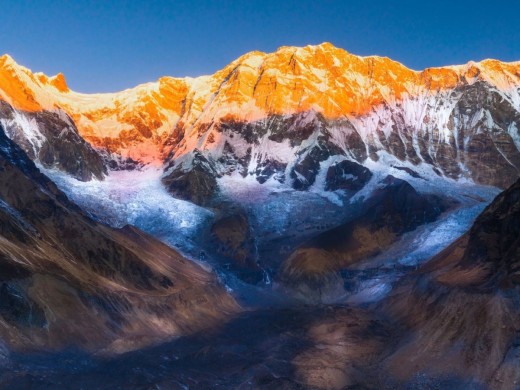
Climbing in Nepal is not just about reaching the top. It is about the journey. You will walk through Sherpa villages, share meals in teahouses, and watch the mountains change color at sunrise and sunset. You will hear stories from guides who have grown up in these valleys.
Each peak gives a different kind of story. Lobuche gives a story of struggle and strength. Island Peak gives a story of learning and confidence. Mera Peak gives a story of patience and quiet beauty.
There is no wrong choice, only the wrong match.
Choosing Your Perfect Climb
Lobuche Peak, Island Peak and Mera Peak all offer unforgettable Himalayan experiences. The best one for you depends on your skills, fitness and what kind of adventure excites you most. Some people want steep climbs and intense focus. Others want steady progress and wide views. Both are valid dreams.
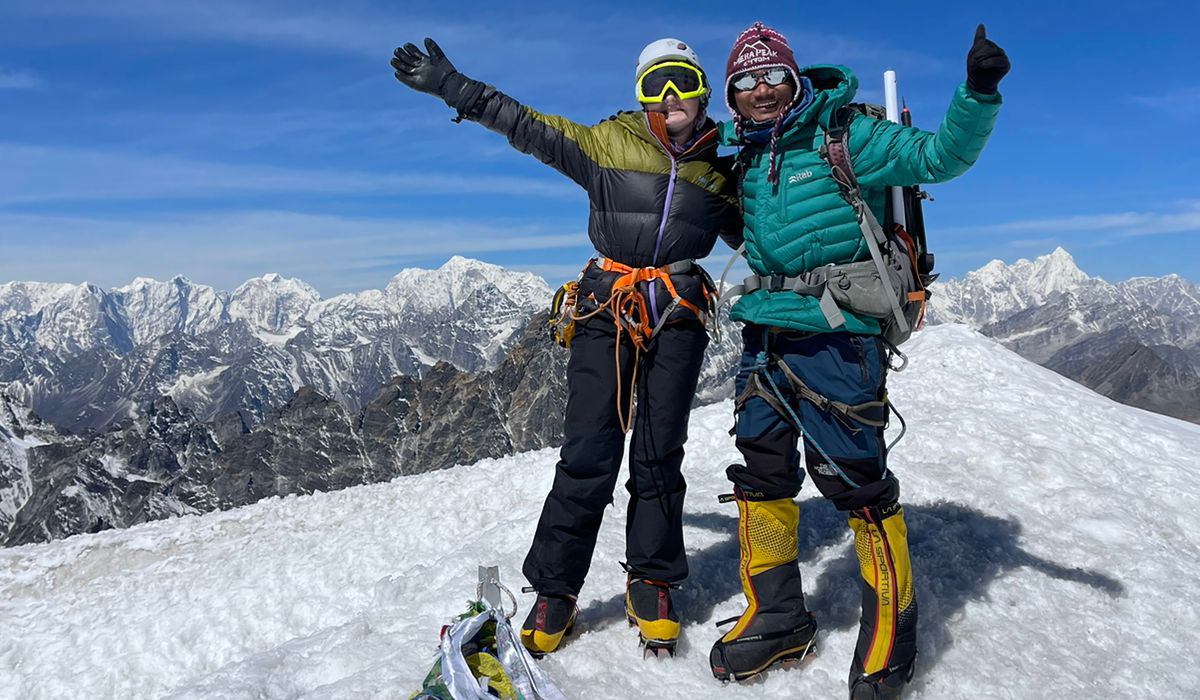
When you choose a peak that matches who you are right now, the mountain feels welcoming instead of overwhelming. And when you finally stand on the summit, the feeling is the same across all three peaks. Pure joy, deep pride and a memory that stays with you forever.