Trekking in Nepal: Is It Harder Than It Looks?
Trekking in Nepal looks easy from photos: happy hikers, stunning mountains and cozy teahouses along the way. But the reality is quite different. Nepal’s trails are breathtaking, yes, but they can also be challenging. Steep climbs, unpredictable weather and high altitudes make trekking here tougher than most people expect.
Even so, thousands of people do it every year and the experience is unforgettable. Knowing what to expect before you start can make the journey safer, more enjoyable and truly memorable.
The Challenge of Altitude
One of the first surprises for many trekkers is altitude. Many popular routes, like Annapurna Base Camp or Ghorepani Poon Hill, reach heights of 3,000–4,000 meters above sea level. At these heights, the air is thinner, which means your body gets less oxygen.
This can lead to altitude sickness, even for people who are physically fit. Symptoms include fatigue, headaches, dizziness and shortness of breath. In some cases, altitude sickness can become serious, which is why pacing yourself is so important.
The best approach is to walk slowly and take rest days to let your body adjust. Skipping acclimatization days might save time, but it can make the trek much harder or even dangerous.
Physical Fitness Matters
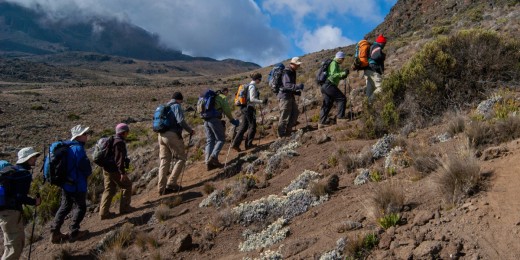
Trekking in Nepal isn’t just a long walk; it’s a workout for your whole body. Trails vary from stone steps and rocky paths to muddy and slippery sections. Some days require climbing steep hills for hours, which can be exhausting even if you’re used to walking.
Carrying a backpack, even a small daypack, adds extra weight, making climbs feel harder. That’s why training before your trek is so helpful. Building stamina, strengthening leg muscles and practicing uphill walks can make a huge difference.
Even a few weeks of preparation, like brisk walks, stair climbing or light hikes, can help you feel more confident on the trails. Remember, it’s not about being an athlete; it’s about being ready for steady, daily effort.
Weather and Trail Conditions
Nepal’s weather can be unpredictable. Sunny mornings can turn into heavy rain or even snow in a matter of hours. Trails can become muddy and slippery, streams may swell and paths that seemed easy in pictures suddenly feel difficult.
The monsoon season (June to September) is especially tricky. Landslides and slippery trails can slow you down, so most trekkers avoid this period. Outside the monsoon, mornings and evenings can be icy cold, particularly at higher altitudes.
Smart packing is essential. Layered clothing, waterproof jackets, sturdy shoes, gloves and hats are all necessary. Even if you’re trekking in spring or autumn, weather changes can make the difference between a comfortable day and a very tough one.
Teahouses and Daily Life on the Trail
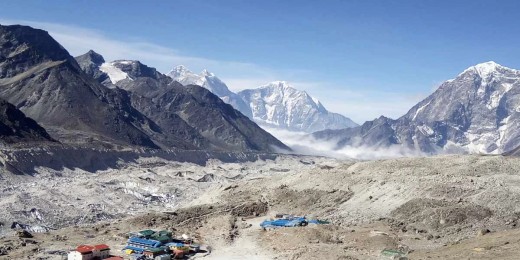
Many guides and blogs make teahouses sound cozy and comfortable. In reality, some are quite basic, especially in remote villages. You might share a room with strangers, have cold showers or deal with power outages.
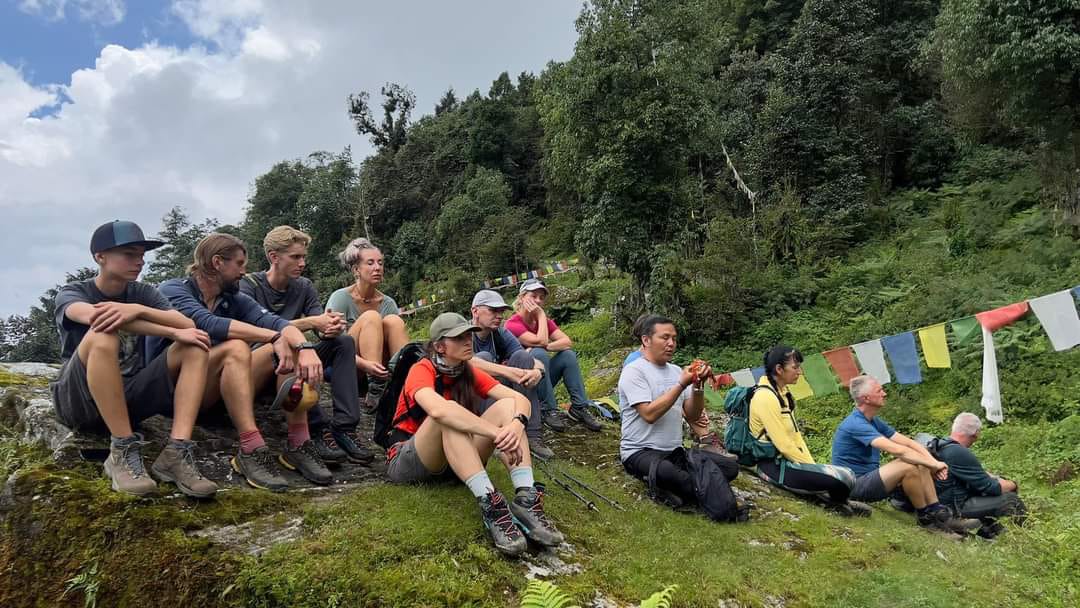
While this may sound challenging, it’s part of the authentic experience of trekking in Nepal. Simple comforts like hot tea, a hearty meal after a long day and warm blankets are priceless. Meeting fellow trekkers and chatting with locals adds to the adventure and makes the effort worth it.
Mental Preparation
Trekking is as much a mental challenge as a physical one. Long days, unexpected obstacles and physical discomfort can test your patience. Mental preparation is key. Accepting that some days will be harder than others helps you stay motivated and enjoy the journey.
Remember, trekking is not a race. Listening to your body, taking breaks and focusing on the experience rather than just the destination can make the trek much more enjoyable.
The Rewards of Trekking in Nepal
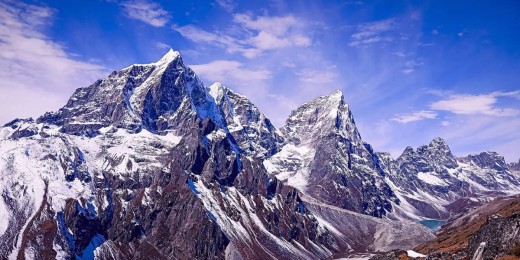
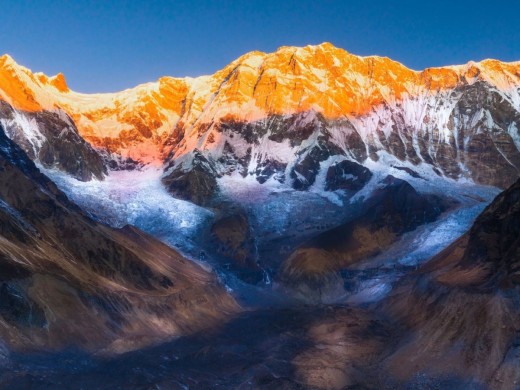
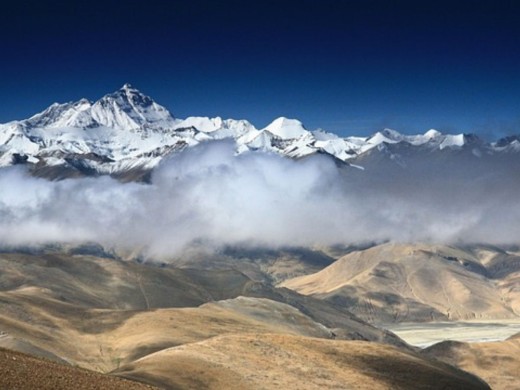
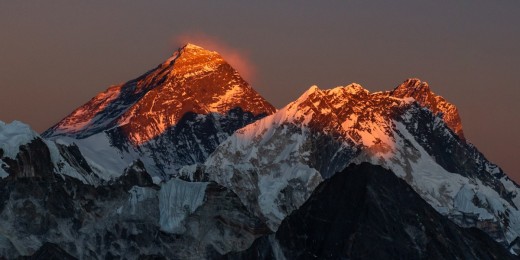
Even though trekking can be tough, the rewards are enormous. Picture this: waking up to a sunrise over the Himalayas, walking through traditional villages, spotting rare wildlife and experiencing a culture that’s centuries old. Every step brings new sights that photos simply cannot capture.
Reaching a high point or the end of your trek gives an unmatched sense of accomplishment. The challenge makes the view and the feeling at the summit even more meaningful.
Tips to Make Trekking Easier
Here are some practical tips to make trekking in Nepal safer and more enjoyable:
- Acclimatize Slowly: Take time to adjust to higher altitudes. Don’t rush the trek.
- Train Beforehand: Prepare your body with long walks, uphill climbs and carrying a light backpack.
- Pack Smart: Bring layered clothes, waterproof gear, water bottles, snacks and basic medical supplies.
- Stay Hydrated: Drinking plenty of water helps prevent altitude sickness and keeps energy up.
- Listen to Your Body: If you feel tired or unwell, rest or descend. Pushing too hard can be dangerous.
- Enjoy the Journey: Take photos, talk to locals and savor each moment. The experience is about more than reaching the destination.
Why It’s Worth Every Step
Trekking in Nepal is definitely more challenging than it appears in pictures, but that’s what makes it special. It tests your endurance, patience and mindset and it rewards you with experiences and memories that last a lifetime.
With proper preparation, respect for the mountains, and a positive attitude, trekking in Nepal becomes not just manageable but extraordinary. The trails may be tough, but the journey is unforgettable.
If you’ve been dreaming about exploring Nepal’s mountains, don’t let the challenges stop you. Embrace them, they’re part of the adventure, and they make every view, every village and every step along the trail even more remarkable.