Nepal Trekking Permits 2026: Everything You Need to Know Before You Fly
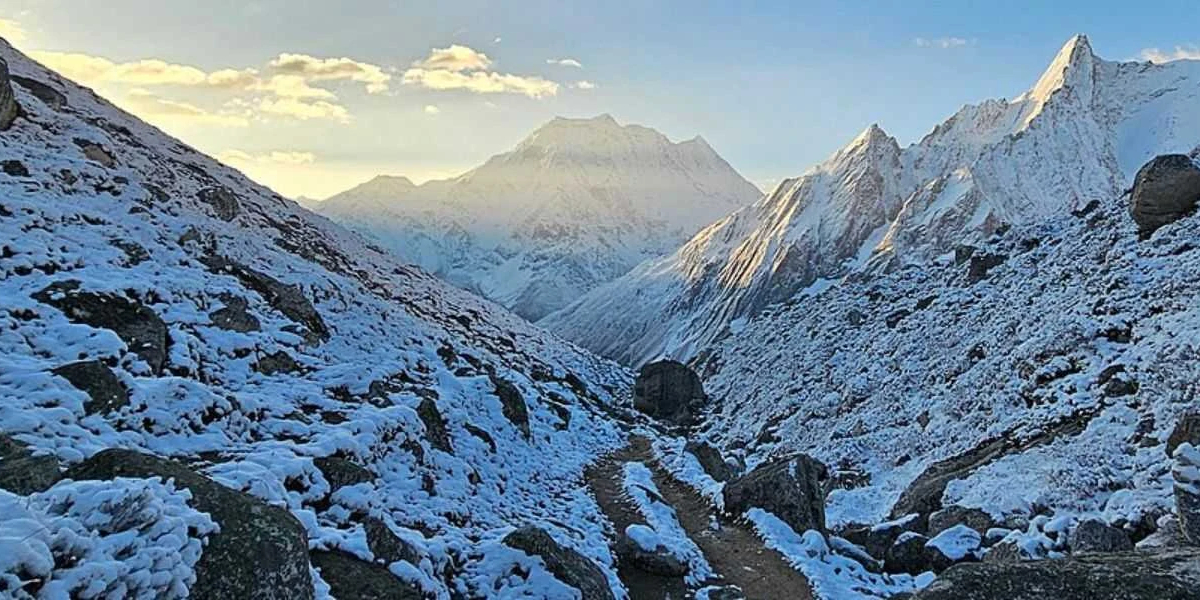
Imagine standing at the foot of the world’s highest mountains, breathing in crisp Himalayan air and feeling like you’re on top of the planet. Nepal is one of the few places on Earth where you can experience this, but before you pack your trekking boots, there’s something important you need to know: trekking permits. These are your key to exploring trails like Everest Base Camp, Annapurna Circuit and the Manaslu Circuit safely and legally. And 2026 brings some important updates.
Whether you’re a seasoned trekker or a first-timer planning your dream Himalayan adventure, understanding these rules now can save you time, money and headaches later. Let’s break it down in a simple way.
Guide and Agency Requirements
Not all trekking routes in Nepal require a guide. Here’s the updated rule for 2026:
- Restricted areas like the Manaslu Circuit require foreign trekkers to hire a registered trekking agency or local guide. You cannot trek alone in these regions.
- Non-restricted areas such as the Everest Base Camp and Annapurna Circuit allow solo trekking. You can hike independently if you choose, though hiring a guide is optional for support, safety and local knowledge.
Why a guide may still be helpful:
- Safety: Even in non-restricted areas a guide can help navigate tricky trails and monitor for altitude sickness.
- Local expertise: Guides know the region, the culture and the best routes to make your trek smoother.
- Support the community: Hiring a guide benefits local villages and the trekking economy.
So while solo trekking is allowed in most popular regions, restricted areas have mandatory guide requirements. Think of guides as partners who enhance your experience and keep you safe where rules demand it.
Trekking Permits for 2026
Each trekking region in Nepal has specific permit requirements. Here’s what you need to know:
Everest Base Camp (EBC) Trek – Required Permits
For the Everest Base Camp trek, you need two permits:
These permits are mandatory to legally trek through the Everest region.
Annapurna Circuit Trek – Required Permit
For the Annapurna Circuit only the Annapurna Conservation Area Permit (ACAP) is required:
- Indian nationals: NPR 1,000
- Foreign nationals: NPR 3,000
No other permits or TIMS cards are needed and solo trekking is allowed.
Manaslu Circuit Trek – Rules and Permits
The Manaslu Circuit is a restricted area and special rules apply:
- Trekkers must hire a registered trekking agency
- A minimum of two trekkers is required to obtain the restricted area permit
Required permits for Manaslu Circuit:
These permits ensure safety, environmental protection and proper management of the region.
Permit Costs Summary
| Trekking Area | Permit Type | Cost |
|---|---|---|
| Everest Base Camp | Pasang Lhamu Rural Municipality | Indian: NPR 2,000, Foreign: NPR 3,000 |
| Everest Base Camp | Sagarmatha National Park Entry | Indian: NPR 1,500, Foreign: NPR 3,000 |
| Annapurna Circuit | ACAP | Indian: NPR 1,000, Foreign: NPR 3,000 |
| Manaslu Circuit | Restricted Area Permit | USD 100 (7 days minimum), USD 15 per extra day |
| Manaslu Circuit | ACAP | Indian: NPR 1,000, Foreign: NPR 3,000 |
| Manaslu Circuit | MCAP | Indian: NPR 1,000, Foreign: NPR 3,000 |
| Manaslu Circuit | Local Municipality Permit | NPR 1,000 |
Note: Restricted area permits for Manaslu are officially charged in USD, while all other permits are in NPR.
It’s important to get your permits before starting the trek, either through a registered trekking agency (required for restricted areas) or at the local offices. Last-minute permits, especially for Manaslu, can be difficult to obtain.
Why January is the Perfect Time to Plan
Many trekkers start researching their spring or autumn trips around this time. Knowing the latest rules now helps you:
- Avoid surprises on arrival
- Budget properly for permits and guides
- Book your guide and accommodation ahead of peak season
Publishing this information early also builds trust. Trekkers who see accurate up-to-date information are more likely to rely on your advice for planning the rest of their trip.
Quick Summary of Major Trekking Permits
- Everest Base Camp Trek: Pasang Lhamu Rural Municipality Permit + Sagarmatha National Park Entry Permit
- Annapurna Circuit Trek: ACAP only
- Manaslu Circuit Trek: Restricted Area Permit + ACAP + MCAP + Local Municipality Permit (agency required, minimum 2 trekkers)
- Guides: Mandatory for all restricted areas
This simple checklist ensures you have everything ready before your trek.
How to Get Your Permits
Getting permits is easier than it sounds:
- For restricted areas, use a registered trekking agency that handles permits, guides and sometimes accommodation
- For non-restricted areas, you can obtain permits on your own at local offices or online
Tips:
- Keep copies of your permits in case authorities check them on the trail
- Confirm your guide’s license is valid
- Plan trekking dates carefully, especially for restricted areas
Extra Tips for a Smooth Trek
Even with permits in hand a few other preparations make trekking safer and more enjoyable:
- Travel Insurance: Ensure it covers high-altitude trekking
- Fitness Preparation: Trails can be long and challenging
- Gear Check: Boots, jackets, trekking poles and warm layers are essential
- Altitude Awareness: Learn symptoms of altitude sickness and how to handle them
- Respect Local Culture: Villagers are welcoming but always follow local customs
Why These Rules Matter
Some trekkers might think guide requirements or restricted area permits are unnecessary. But there’s a good reason behind them:
- Nepal’s mountains are fragile. Too many unregulated trekkers can damage trails and ecosystems
- Guides and permits help ensure safety especially when weather changes quickly
- They support the local economy by providing jobs to communities
Following the rules is about being a responsible traveler and preserving these trails for future trekkers.
Your Himalayan Adventure Awaits
Nepal’s mountains don’t just call to be seen, they call to be experienced. With 2026 rules in place getting your permits and guides ready isn’t just paperwork; it’s your first step toward a safe unforgettable adventure.
Every permit and guide brings peace of mind, opens doors to hidden trails and lets you focus on what truly matters: the stunning landscapes, vibrant local culture and the thrill of walking some of the world’s most iconic paths.
Plan smart, prepare well and set off with confidence. The Himalayas are ready to welcome you and 2026 could be the year your trekking dreams finally come alive.