January Training Guide for Your 2026 Himalayan Peak Climb: Prepare for Altitude and Endurance
Have you ever looked up at a towering Himalayan peak and thought, “I want to stand on top of that one day”? If you’re planning your 2026 adventure to climb peaks like Lobuche, Island or Mera Peak, now is the perfect time to start training. January is a great month to lay the foundation for strength, endurance and mental focus that you’ll need to conquer high-altitude climbs safely and confidently. Even if you’ve never done a serious climb before, the right preparation can make your Himalayan dream achievable.
Why January is the Perfect Time to Start
Starting your training in January gives you nearly a year to gradually build your fitness and get used to the physical and mental demands of climbing a Himalayan peak. Many climbers make the mistake of rushing preparation in the last few months before the expedition, which often leads to exhaustion, injuries or altitude sickness. By beginning early, you give your body time to adapt, your lungs to strengthen and your muscles to develop endurance.
Think of your body like a mountain itself. You wouldn’t climb a steep cliff without practice; similarly, your body needs months of preparation to handle the steep slopes, cold temperatures and oxygen-thin air of Himalayan peaks.
Focus Areas for Your Training
Training for a Himalayan peak climb isn’t just about running or lifting weights. You need a combination of endurance, strength and flexibility along with mental preparation. Here’s what to focus on in January and the months that follow:
- Cardiovascular Fitness: Walking, hiking, running or cycling will strengthen your heart and lungs. Aim for at least 30–45 minutes of moderate cardio 4–5 times a week. Hiking on hills or stairs is even better because it simulates climbing conditions.
- Strength Training: Strong legs, core and upper body are crucial. Exercises like squats, lunges, planks, push-ups and step-ups will help. Don’t forget your back and shoulders—they carry the load of your backpack and climbing gear.
- Endurance Training: Long sessions of walking or hiking with a weighted backpack prepare your muscles for hours of climbing. Start with lighter weights and shorter distances in January and gradually increase both as the months pass.
- Flexibility and Balance: Yoga or stretching routines improve flexibility and balance. This helps you maneuver tricky terrains and reduces the chance of injuries.
- Mental Preparation: Climbing a Himalayan peak is as much a mental challenge as a physical one. Visualization, meditation and practicing staying calm under stress will boost your confidence for high-altitude climbing.
Week-by-Week Plan for January
Here’s a simple weekly structure you can follow to kickstart your training:
- Monday: Cardio session – brisk walk or light jog (30–45 minutes)
- Tuesday: Strength training – focus on legs and core
- Wednesday: Rest or light stretching/yoga
- Thursday: Cardio session – stairs, treadmill incline or cycling
- Friday: Strength training – upper body and back
- Saturday: Hike with backpack (start light, 5–10 kg)
- Sunday: Rest and recovery – stretch, hydrate, eat well
This schedule is gentle enough for beginners yet effective for building a strong foundation. As you progress, increase the intensity, duration and weight gradually.
Altitude Training Basics
One of the biggest challenges of Himalayan climbing is the high altitude. Peaks like Lobuche, Island or Mera can reach above 6,000 meters, where oxygen levels are much lower than at sea level. Training at low altitude won’t completely replicate the effect, but you can still prepare:
- Include cardio sessions in colder environments if possible, as the body’s response to cold is similar to higher altitudes.
- Use a weighted backpack during hikes to mimic the extra load you’ll carry.
- If you have access to an altitude training mask or hypoxic tent, you can safely simulate lower oxygen levels.
Climbing slowly, resting adequately and staying hydrated will also help your body adapt during the actual expedition.
Nutrition for Peak Training
Fueling your body correctly is as important as physical training. In January, focus on building strength and stamina with the right nutrition:
- Proteins: Eggs, chicken, fish, lentils and beans help repair muscles after training.
- Carbohydrates: Rice, oats, pasta and whole grains provide long-lasting energy.
- Fats: Healthy fats from nuts, seeds and olive oil support endurance.
- Vitamins and Minerals: Eat plenty of fruits and vegetables to strengthen your immune system.
- Hydration: Drink at least 2–3 liters of water a day. Staying hydrated improves performance and helps prevent altitude sickness later.
Avoid crash diets or extreme restrictions; your body needs enough energy to train effectively and recover.
Gear and Equipment Familiarization
January is also a great time to familiarize yourself with the equipment you’ll use during your Himalayan climb. Things like trekking boots, crampons, harnesses and backpacks can feel heavy or uncomfortable if you haven’t tested them in advance.
- Break in your boots on local hikes.
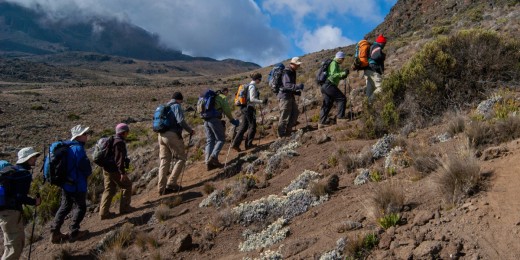
- Practice walking with a loaded backpack.
- Test any new clothing layers or gear to see how your body responds.
This early preparation reduces surprises during your actual climb and helps you move more confidently on the mountain.
Staying Motivated Through Winter
Training in January can feel challenging because of cold weather, short daylight hours or a lack of motivation. Here are some tips to stay consistent:
- Set small goals for each week rather than focusing on the entire year ahead.
- Track your progress in a journal or fitness app.
- Train with a friend or join a local hiking or climbing group.
- Remind yourself of the ultimate goal: standing on the summit of a Himalayan peak.
Consistency is key. Even shorter, less intense sessions are better than skipping entirely.
Preparing Specifically for Lobuche, Island and Mera Peak
Each Himalayan peak has its unique challenges. Your training should consider the demands of the peaks you plan to climb. Lobuche Peak Climbing involves rocky terrain and requires solid balance and leg strength. Island Peak Climbing has more glacier travel, so focus on cardio, strength and ice-walking practice. Mera Peak Climbing, being one of the highest trekking peaks, demands excellent endurance and acclimatization.
You can learn more about these peaks, climbing guides and detailed itineraries at Everest Trekkers Peak Climbing. This page is a valuable resource for understanding each peak, equipment needs and best climbing seasons.
Simple Indoor Training Options for Cold Months
Not every January day will be suitable for outdoor training, but you can still stay on track indoors:
- Treadmill walks or runs
- Bodyweight exercises like squats, lunges, push-ups and planks
- Yoga or stretching routines
- Step-ups using a sturdy platform or stairs
Even 30–45 minutes a day indoors can maintain your momentum and prepare your body for the next outdoor session.
Tracking Your Progress
Monitoring your progress keeps you motivated and ensures your training is effective. Keep track of:
- Distance or time spent on cardio sessions
- Weight lifted or repetitions in strength training
- Hiking distance and backpack weight
- Resting heart rate or perceived exertion (how hard you feel you’re working)
Regularly reviewing these metrics helps you adjust your training plan and steadily improve.
The Mental Edge
Finally, don’t underestimate mental training. Himalayan climbs can be long, cold and physically demanding. Developing focus, patience and resilience now will pay off during moments of fatigue or fear on the mountain. Simple practices include:
- Visualizing yourself successfully climbing your target peak
- Practicing deep breathing techniques
- Keeping a positive mindset and focusing on one step at a time
Mental preparation is often what separates climbers who summit from those who turn back early.
Start Today for a Successful 2026 Climb
Your Himalayan adventure doesn’t start on the mountain, it starts here, at home, with your training plan. January is the perfect month to begin building strength, endurance and confidence for Lobuche Peak Climbing, Island Peak Climbing or Mera Peak Climbing. By combining cardio, strength, flexibility and mental training with proper nutrition and gear familiarization, you’ll be ready for the unique challenges of high-altitude climbing.
Remember, consistency and patience are key. Start small, build gradually and keep your eyes on the summit. Every step you take now brings you closer to standing atop one of the world’s most breathtaking peaks. Your 2026 Himalayan climb is not just a dream, it’s a goal you can prepare for today.