First-Time or Experienced? How to Plan Annapurna Base Camp Trek
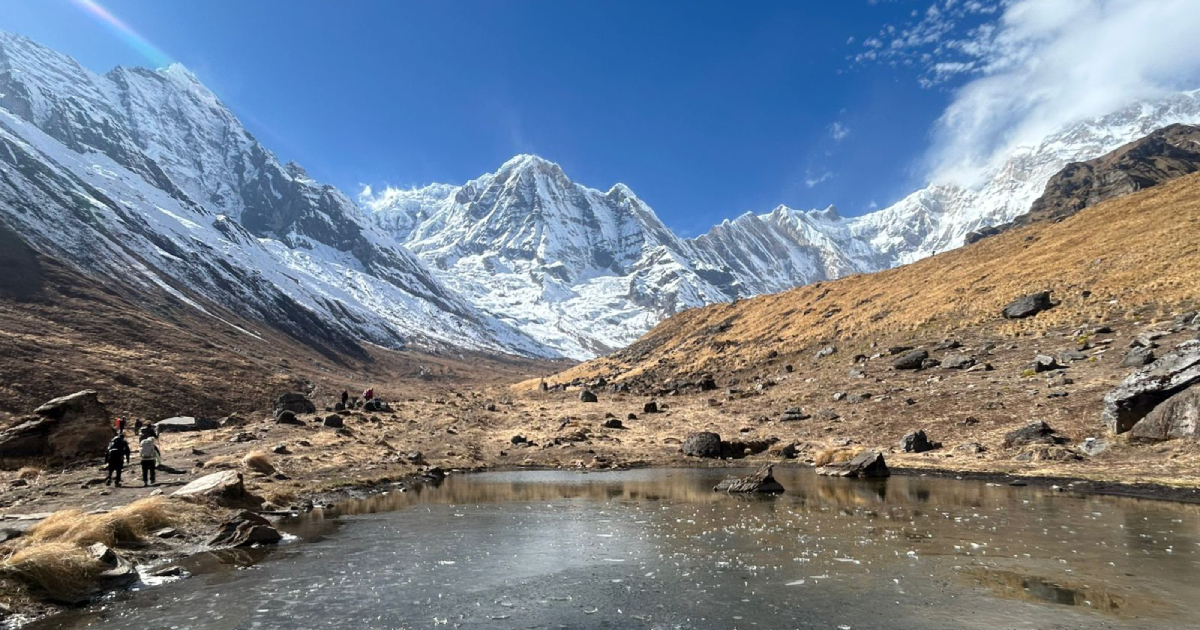
Imagine standing in front of a massive snow-capped mountain, the air crisp and fresh and the sky so clear it feels like you could touch the clouds. That’s the magic of Annapurna Base Camp, one of the most beautiful treks in Nepal. Whether it’s your very first trek or you’ve done a few before, planning a trip to ABC can feel overwhelming. But don’t worry, this guide will help you understand what to expect, what to pack and how to make the most of your adventure.
Why Annapurna Base Camp Trek is Special
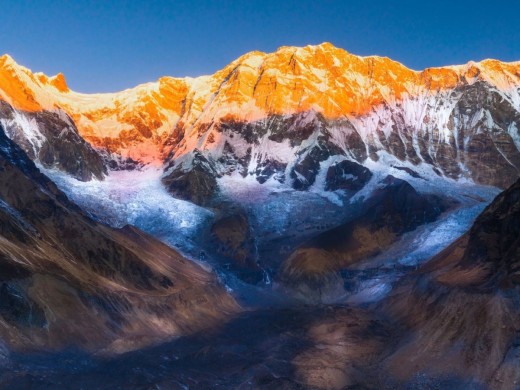
Annapurna Base Camp, often called ABC, is located at 4,130 meters above sea level. It’s famous for its stunning views of the Annapurna range and the unique cultural experience along the way. Unlike some treks where you need to camp in tents, ABC is known for its tea houses, small lodges run by locals that offer food and a place to sleep. This makes the trek more comfortable for first-time trekkers.
For experienced trekkers, ABC still has plenty to offer. You can explore side trails, enjoy spectacular sunsets and challenge yourself with a moderately tough trail that is rewarding with every step.
Best Time to Trek
One of the most important parts of planning is choosing when to go. Timing can make a huge difference in your experience.
- Spring (March to May): The weather is mild, the skies are mostly clear and the rhododendrons bloom in bright colors. This is a favorite season for many trekkers.
- Autumn (September to November): This is peak trekking season. The skies are clear, visibility is perfect, and the temperatures are comfortable.
- Winter (December to February): It’s colder and some trails might have snow, but fewer crowds make it peaceful.
- Monsoon (June to August): Heavy rain makes the trail slippery and risky. Landslides are common, so it’s generally not recommended.
For first-timers, spring and autumn are the safest and most enjoyable seasons. Experienced trekkers may also try winter for a quieter trek with crisp mountain views.
How Long Does It Take?
Most people take 7 to 12 days to complete the Annapurna Base Camp trek. The time depends on your pace, how many rest days you take, and whether you explore side trails. The classic route usually starts from Pokhara, a beautiful city by the lake, and passes through villages like Ghandruk, Chhomrong, and Bamboo before reaching ABC.
Some trekkers like to add a return route through Jhinu Danda, where you can soak in natural hot springs after long days of hiking. Taking an extra day to rest or explore side trails can make your experience even more enjoyable.
Physical Preparation
You don’t have to be an athlete but some preparation helps. ABC is considered a moderate trek, meaning it has a mix of uphill climbs, downhill paths and uneven trails.
Here are some tips for preparing:
- Do cardio exercises like jogging, swimming, or cycling to build stamina.
- Try hiking practice on local hills or trails with a backpack.
- Strengthen your legs with exercises like squats and lunges.
- Walk long distances in comfortable shoes to get your feet ready.
Even experienced trekkers benefit from a little training, as the altitude can make the trek feel more challenging than expected.
Accommodation and Food
One of the nicest things about ABC is the tea house system. These are small lodges run by locals that provide rooms and meals. Most rooms are simple with shared bathrooms, so packing light is important. A good sleeping bag is essential, especially in colder months.
Food is basic but filling. The staple dish is Dal Bhat, which is rice with lentils, vegetables or sometimes meat. Tea, coffee, noodles and soups are also available. Carrying snacks like energy bars or chocolate can keep your energy up during long days.
Gear You’ll Need
Packing the right gear can make a huge difference. You don’t need to carry everything but a few essentials are must-haves:
- Hiking boots that are broken in to prevent blisters.
- Trekking poles to make uphill and downhill sections easier.
- Layered clothing: thermal layers, fleece and a waterproof jacket.
- Daypack for water, snacks, and essentials.
- Sleeping bag for warmth in tea houses.
- Sun protection: sunglasses, sunscreen and a hat.
- Basic first aid kit for minor injuries or stomach issues.
Experienced trekkers may also bring extra camera gear or trekking gadgets, while first-timers should focus on comfort and safety.
Understanding Altitude
ABC sits at 4,130 meters, which is high enough for some people to experience altitude sickness. The symptoms include headaches, dizziness, nausea and shortness of breath. The good news is that proper acclimatization helps prevent it.
Tips to stay safe at high altitude:
- Climb slowly and avoid rushing to ABC.
- Drink plenty of water to stay hydrated.
- Rest when needed; don’t push your body too hard.
- Avoid alcohol and smoking as they can worsen altitude sickness.
Even experienced trekkers should take altitude seriously. Respect your body’s limits; it’s better to go slower than risk sickness.
Local Culture and Etiquette
ABC isn’t just about mountains; it’s also about the people you meet along the way. Villages like Ghandruk and Chhomrong are home to the Gurung and Magar communities, known for their hospitality.
Some tips for being a respectful trekker:
- Always ask before taking photos of locals.
- Support local businesses by buying meals, tea, or small souvenirs.
- Follow trail rules and avoid littering.
These small gestures make your trek more meaningful and help preserve the culture and environment of the Annapurna region.
Tips for First-Time Trekkers
If this is your first trek in the Himalayas, ABC is a great place to start. Here’s what you should keep in mind:
- Consider hiring a guide or porter. They make the trek easier and safer, especially if you’re not familiar with the terrain.
- Start with shorter treks before attempting ABC if you feel unsure.
- Take your time, don’t rush to the base camp. Enjoy the villages, forests and mountain views along the way.
- Acclimatize properly by taking rest days at mid-altitude points like Chhomrong.
- Carry cash in small notes, as many tea houses don’t accept cards and ATMs are limited beyond Pokhara.
- Pack snacks like energy bars, chocolate or nuts for quick energy during long hikes.
- Layer your clothing to adjust to temperature changes from valleys to higher altitudes.
- Wear comfortable shoes to prevent blisters on steep or uneven trails.
- Practice patience in crowded tea houses or while waiting for meals and hot showers.
- Learn basic Nepali phrases like Namaste or Dhanyabad to connect with locals.
Tips for Experienced Trekkers
Even if you’ve trekked before, ABC can still challenge you and offer new experiences. Here’s how to make it more rewarding:
- Explore side trails like Hinku Cave or Sinuwa for unique views.
- Try different seasons to experience ABC in new ways. Winter offers solitude, while spring and autumn provide colorful landscapes.
- Take longer day hikes to nearby viewpoints like Machapuchare Base Camp or Annapurna South.
- Use a GPS or trekking app to track your progress and confidently explore.
- Focus on photography or journaling to capture memories.
- Try local delicacies like momo, gundruk soup or buckwheat pancakes for a richer cultural experience.
- Gradually adjust to higher altitudes, even if you are experienced.
- Connect with fellow trekkers to share tips and stories.
- Support sustainable trekking by avoiding litter, respecting wildlife and using eco-friendly products.
Safety Tips
- Stick to marked trails. Some paths may look easy but can be dangerous.
- Keep your valuables safe and carry a small money belt.
- Check the weather daily. Sudden storms can make some parts of the trail slippery or risky.
- Travel insurance that covers trekking and altitude sickness is strongly recommended.
Making the Most of Your Trek
Planning your trek carefully will help you enjoy every step of the journey. Here’s how to make the experience memorable:
- Take breaks to enjoy the scenery. The mountains, waterfalls and forests along the way are breathtaking.
- Talk to locals to learn about their culture and traditions.
- Take photos, but also take time to simply enjoy the moment without screens.
- Keep a journal to remember your experiences, it’s amazing how quickly memories fade.
Your Annapurna Adventure Awaits
Whether you are a first-time trekker or an experienced hiker, Annapurna Base Camp offers something for everyone. It’s a journey of natural beauty, cultural immersion and personal growth. Proper preparation, the right gear and respect for local customs will make your trek safe and unforgettable.
Remember, trekking isn’t a race. Take your time, breathe in the fresh mountain air and enjoy every moment. When you finally reach ABC, standing among the giant peaks, you’ll realize that every step was worth it.
Annapurna Base Camp is more than a trek; it’s an adventure, a story and a memory you’ll cherish forever.