Trekking With Kids in Nepal: Common Mistakes Parents Should Avoid
Why Family Trekking in Nepal is Special
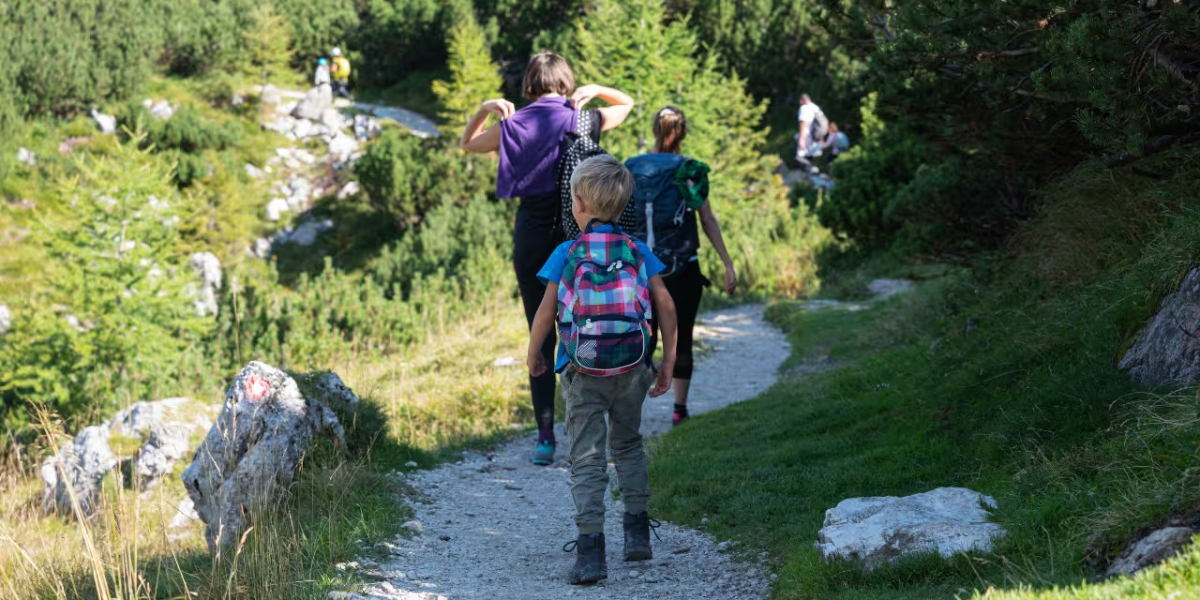
Watching your child walk happily on a mountain trail, surrounded by snow peaks and green hills, sounds like a dream for many parents. Nepal offers some of the most beautiful trekking routes in the world and it is natural to want to share that experience with your kids. Family trekking can be exciting, educational and deeply rewarding. But it can also become stressful if parents make avoidable mistakes.
Trekking with kids in Nepal is not the same as trekking with friends or adults. Children have different physical limits, emotional needs and safety concerns. Many parents start with good intentions but overlook small details that later turn into big problems. Knowing these common mistakes ahead of time can help you plan better and make the trek enjoyable for everyone.
Choosing the Right Trek for Children
One of the most common mistakes parents make is choosing the wrong trek. Nepal has treks that range from easy village walks to very challenging high-altitude routes. Some parents choose famous routes just because they are popular, without checking if they are suitable for children. Long walking days, steep climbs, and high altitude can be overwhelming for kids. A trek that feels “moderate” to an adult may feel extremely hard for a child.
The Danger of Rushing Your Itinerary
Another mistake is rushing the itinerary. Adults often focus on reaching a destination but kids enjoy the journey more than the goal. When days are packed with long hours of walking, children get tired quickly and lose interest. This can lead to frustration, tears and even refusal to walk. A slow pace with frequent breaks gives kids time to rest, play and enjoy their surroundings. In Nepal, there is no rush. The mountains will still be there tomorrow.
Understanding Altitude and Health Risks
Altitude is another area where parents sometimes take risks. Children can get altitude sickness just like adults and sometimes even faster. The problem is that kids may not clearly explain how they feel. Headaches, nausea, tiredness or loss of appetite can be early warning signs. Some parents ignore these signs, thinking the child is just being lazy or moody. This can be dangerous. Gaining altitude slowly and allowing proper acclimatization days is very important when trekking with kids in Nepal.
Packing Smart for Kids
Packing mistakes are also very common. Parents sometimes pack too little, assuming they can buy everything on the way or pack too much, making bags heavy and uncomfortable. Kids need proper clothing for cold mornings, warm layers for evenings and protection from sun and wind during the day. Shoes that are not broken in can cause blisters and pain. Small comforts like a favorite snack, toy or book can make a big difference in a child’s mood during long days on the trail.
Food and Nutrition on the Trail
Food is another challenge that parents often underestimate. Trekking meals in Nepal are simple and limited, especially in remote areas. Children may not like dal bhat every day or they may lose appetite at higher altitudes. Some parents expect kids to adjust easily but hunger can quickly turn into low energy and bad moods. Carrying familiar snacks and encouraging kids to eat small amounts often helps keep their energy levels stable.
Managing Expectations and Motivation
Many parents also make the mistake of expecting too much independence from their children. While trekking can build confidence, kids still need guidance and emotional support. Long walks, unfamiliar places and basic accommodation can feel scary for them. Parents who focus only on the trek itself may miss signs that their child feels anxious or uncomfortable. Talking, encouraging and celebrating small achievements helps children feel safe and motivated.
Safety and enjoyment should always come before reaching a destination. Family treks in Nepal are not about distance or altitude records. They are about creating positive memories, learning about local culture and enjoying nature together. When parents plan realistically and keep their child’s needs at the center, trekking in Nepal can become a safe, fun and unforgettable experience for the whole family.
Safety and Local Support
Safety planning is sometimes taken lightly. Nepal’s trails are generally safe but the weather can change quickly and paths can be narrow or slippery. Some parents trek without a guide or porter, thinking it is unnecessary. However, a local guide understands trail conditions, weather patterns and how to handle emergencies. Having extra support allows parents to focus more on their children instead of navigation and logistics.
Preparing Kids Mentally for the Trek
Another mistake is not preparing kids mentally before the trek. Some parents surprise their children with a trekking plan, thinking it will be exciting. While surprises can be fun, kids do better when they know what to expect. Explaining where they are going, how long they will walk each day and what they might see helps them feel involved and excited. Showing pictures or videos of Nepal’s trails can build curiosity and confidence.
Importance of Fun and Play on the Trek
Parents sometimes forget to allow time for play and fun. Kids need moments to run, explore and relax. When every stop is about resting quickly and moving on, children feel bored. Nepal’s villages, rivers and open fields offer great opportunities for kids to play and learn about local life. These moments often become the most memorable parts of the trek.
Listening to Your Child
Another common mistake is not listening to the child’s opinion. Kids may express fear, tiredness or discomfort in small ways. Parents who dismiss these feelings may unknowingly create stress. Listening carefully and adjusting plans when needed builds trust and makes kids feel valued. Trekking should feel like a shared adventure, not a test of endurance.
Common Mistakes Parents Make (List)
- Choosing treks that are too long, too steep or too high in altitude
- Rushing the itinerary without enough rest days
- Ignoring early signs of tiredness or altitude sickness
- Packing unsuitable clothing or uncomfortable shoes
- Not planning food and snacks that kids enjoy
- Expecting children to walk like adults
- Focusing on destinations instead of the overall experience
- Trekking without proper local support or safety planning
Making Family Treks Successful
Trekking with kids in Nepal can be one of the most meaningful experiences for a family. Children learn patience, resilience and respect for nature. They meet people from different cultures and see life beyond cities and screens. But this only happens when parents plan wisely and avoid common mistakes.
When parents slow down, choose suitable routes and focus on comfort and safety, trekking becomes enjoyable for everyone. Nepal offers many family-friendly trails that allow kids to walk at their own pace and truly enjoy the mountains. With the right mindset and preparation, trekking with kids is not just possible, it can be unforgettable.
The key is simple. Put the child’s experience first. When kids are happy, curious and comfortable, the trek becomes a success, no matter how far you go or how high you climb.