Mera Peak in December: Surviving -30°C and Climbing to 6,476m
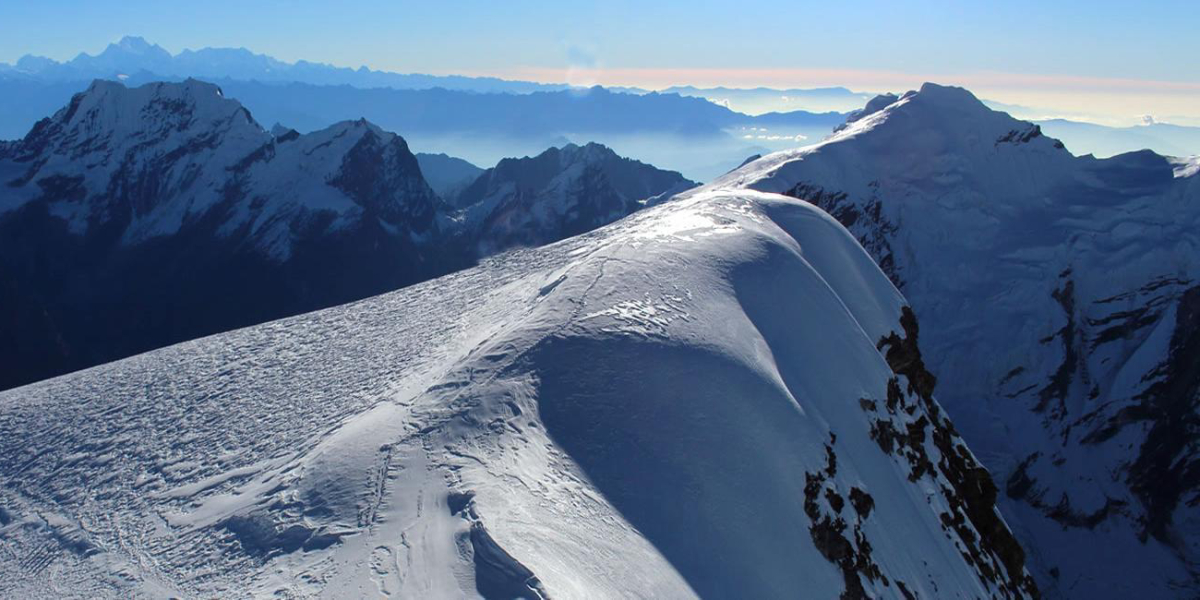
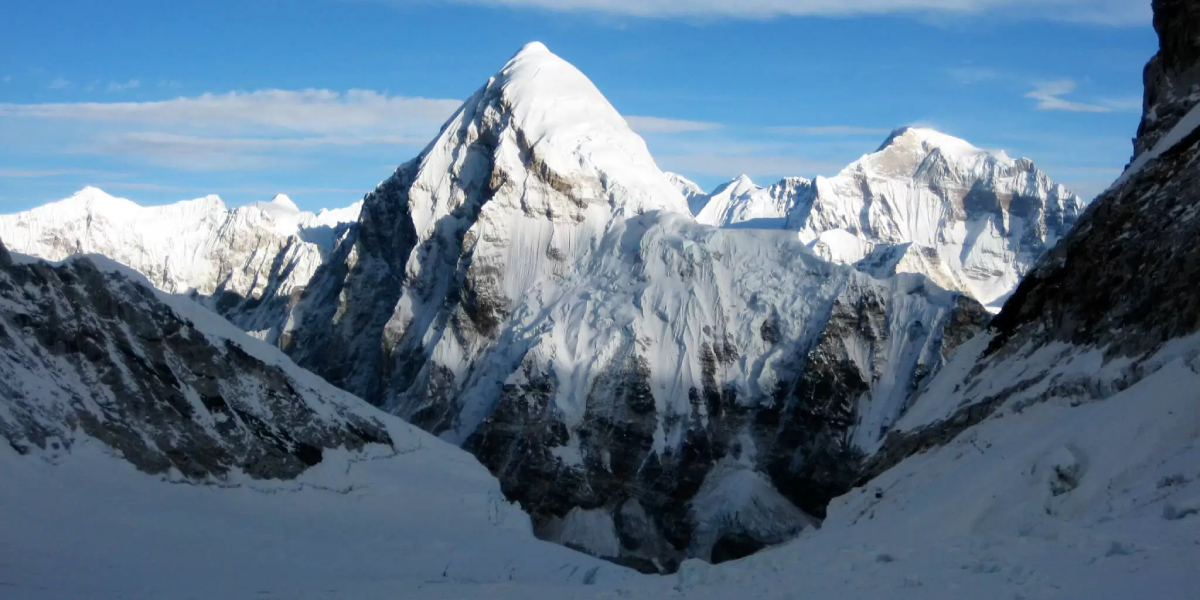
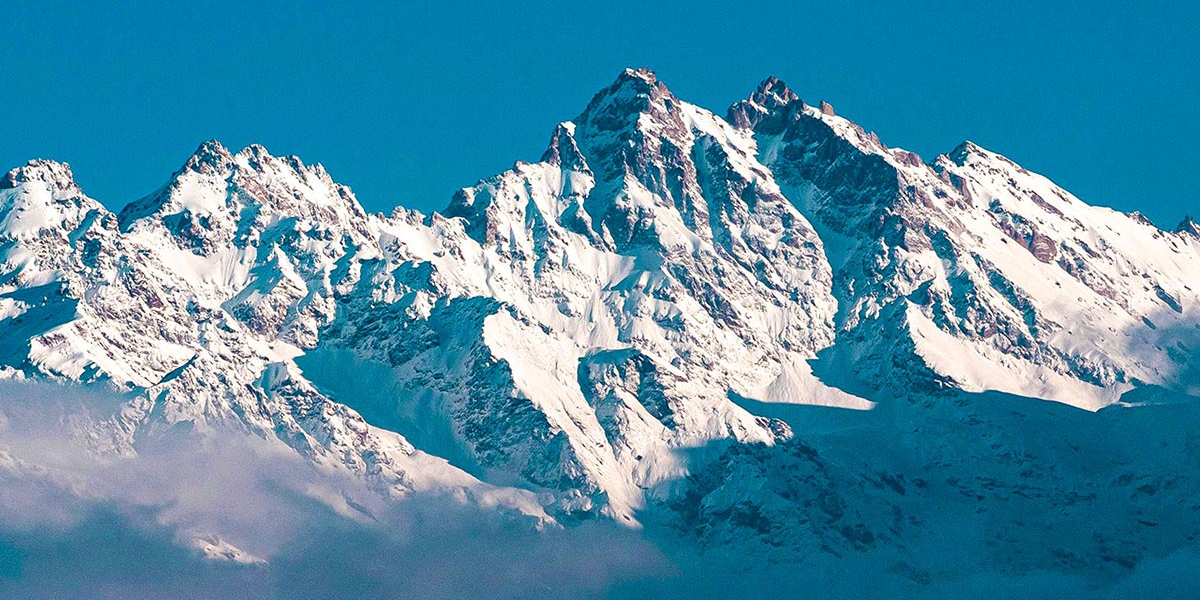
Climbing Mera Peak in December is an entirely different experience. Picture nights at -30°C where your breath freezes mid-exhale but the reward is pristine snowfields and zero crowds on the 6,476m summit. At High Camp, unzipping my tent under a sky ablaze with stars I wondered if my toes would ever thaw after a day of trudging glacial moraines. Drawing from last season’s winter push and the detailed Mera Peak itinerary from Everest Trekkers here’s the essential gear truth to survive and summit without freezing.
Sleeping Bag Realities at -30°C
A standard 0°C sleeping bag won’t cut it. For December climbs, pack a -20°C to -40°C down-rated bag like the Marmot CWM -40 or Western Mountaineering Apache. Test it before the trek as ratings often underestimate Himalayan winds. Doubling up with a liner and bivvy sack at Khare (5,045m) proved invaluable. I curled fetal-style against the cold seeping through tent walls. Waking up to frost-rimed boots and a Sherpa brewing ginger tea outside reminded me why investing in proper gear is non-negotiable.
Avoid synthetic bags as they clump when wet from sweat or snowmelt. Layering an extra fleece can help but skimping on insulation will leave you shivering until dawn.
Summit Kit Essentials for Frozen Ridges
Crampons are mandatory. My Petzl Vasak models gripped the Mera Glacier like butter during a 2 a.m. start. Dull edges from rocky sections nearly caused a slip, reinforcing the need to check gear regularly. Layering is critical. A Gore-Tex shell over a puffy like the Rab Neutrino Pro, vapour barrier socks to prevent trench foot and chemical hand warmers in gloves, pockets and a helmet liner make the difference.
Practice ice axe self-arrest before the summit. Training at Khare helped prevent mishaps. Balaclavas and glacier glasses are essential to avoid frostbite and snow blindness under intense winter UV.
Daily Trek Gear Tips
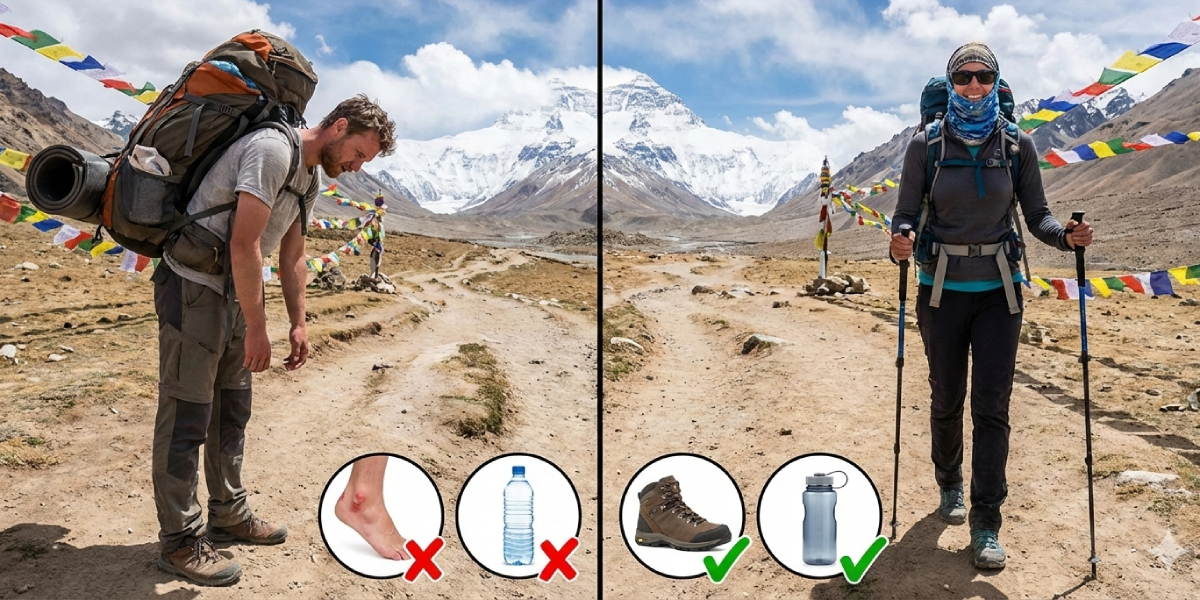
December in Hinku Valley swings from -5°C teahouse chills at Kothe (3,691m) to sub-zero blasts over Zatrwa La Pass. A 40L pack with a Therm-a-Rest NeoAir pad balances weight and insulation. Yak-wool socks from local markets saved my heels during descents from Paiya (2,730m). Simple altitude hacks like brewing garlic-lemon-honey at Thangnak (4,358m) help maintain energy and warmth. Triple-check your gear before flights and trail starts to avoid last-minute surprises.
Planning Your Trip
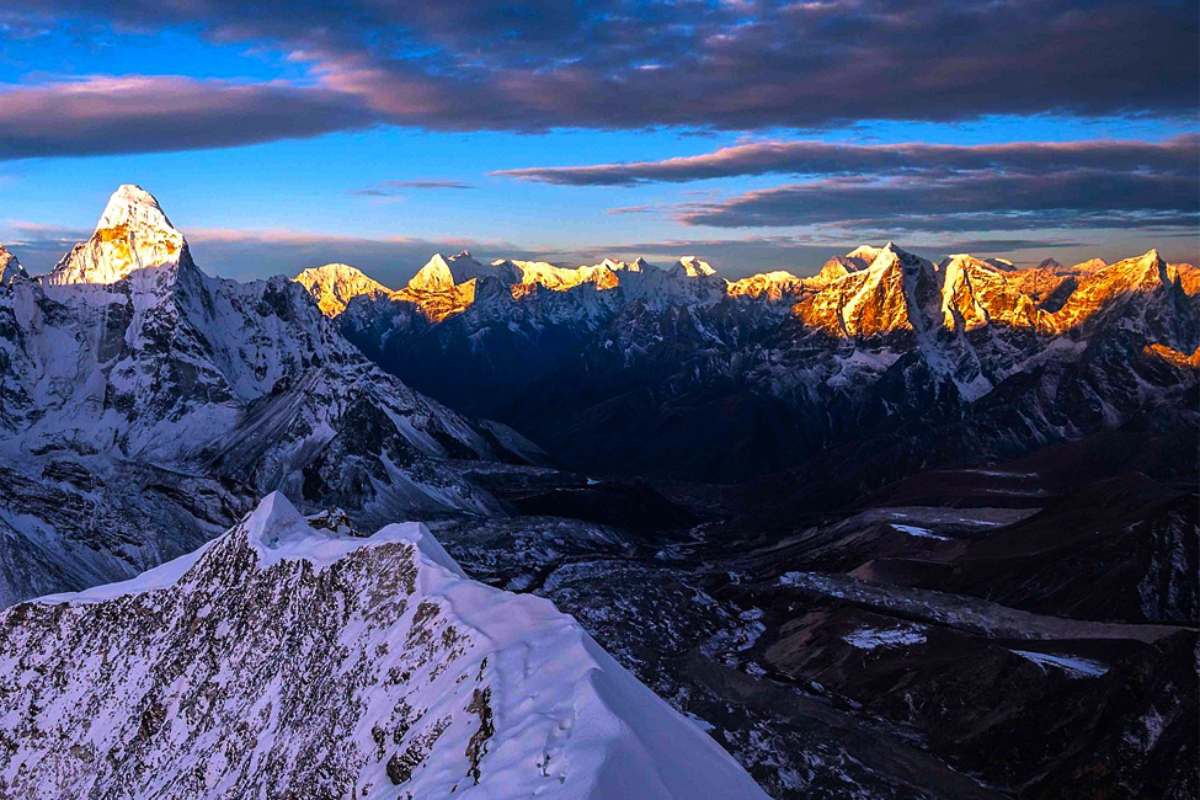
If you’re planning a December climb it helps to follow a well-structured itinerary that accounts for Himalayan winter conditions. The itinerary I followed from Everest Trekkers included contingency days for possible blizzards and carefully timed summit pushes. With proper preparation, the summit experience watching Everest glow at dawn is worth every frostbite-flirt and icy step.