Island Peak in Early December vs. Late December: Which Window is Safer?
Island Peak, or Imja Tse, rising to 6,189 meters, is one of Nepal’s most sought-after trekking peaks. Its combination of trekking and technical climbing attracts adventure enthusiasts from around the world. For climbers planning a December ascent, choosing the right window, early or late December, can significantly impact safety, comfort, and overall experience.
Early December: Clear Skies and Manageable Conditions
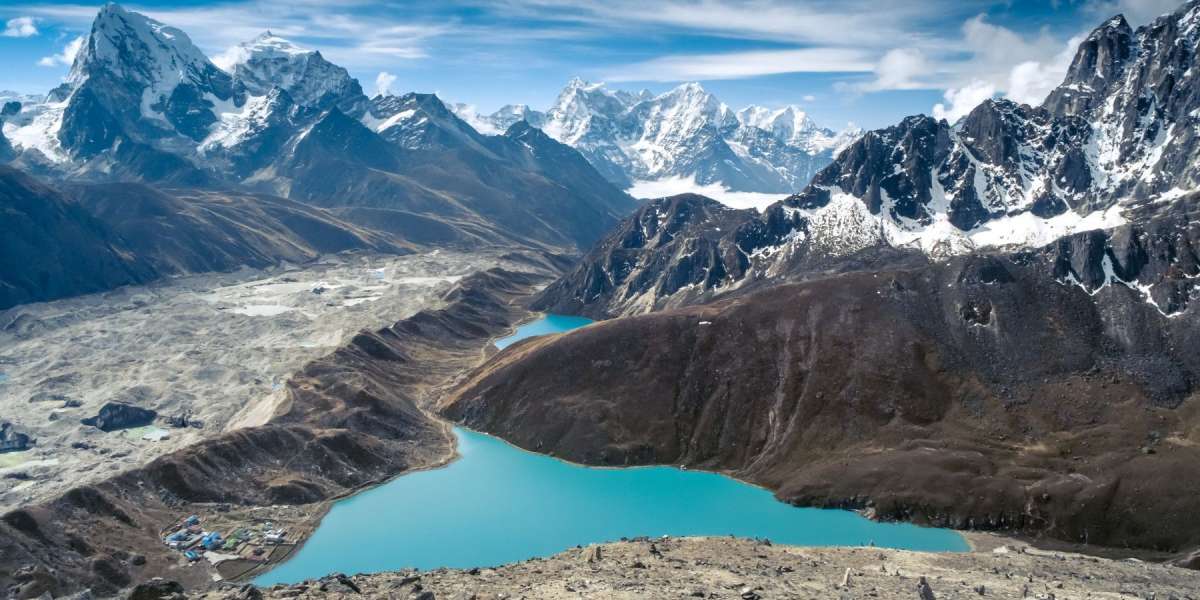
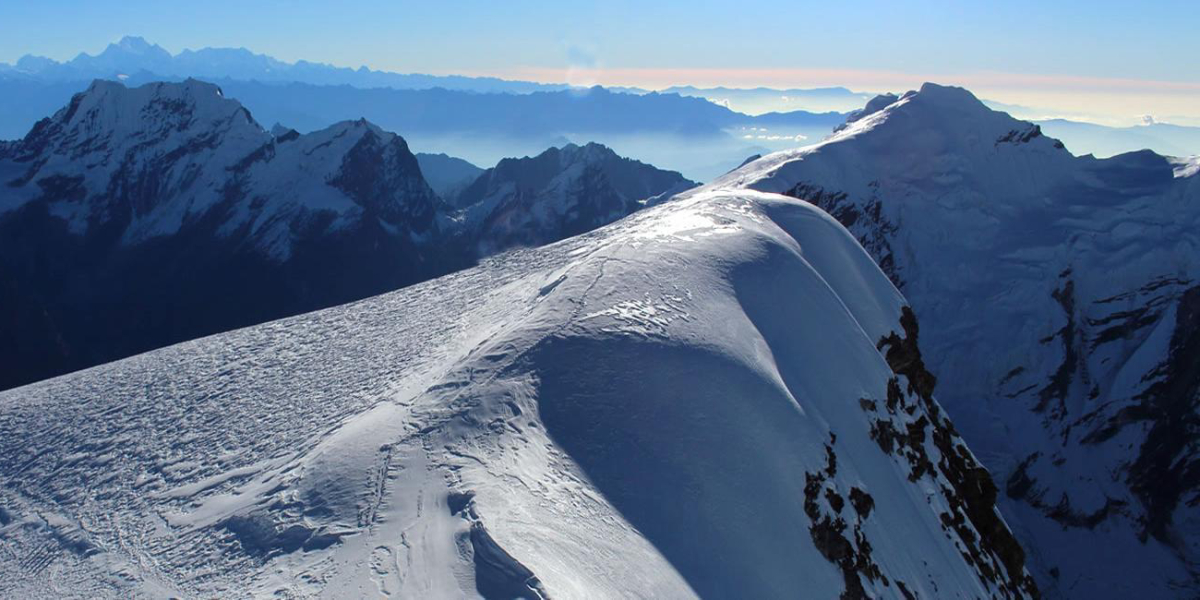
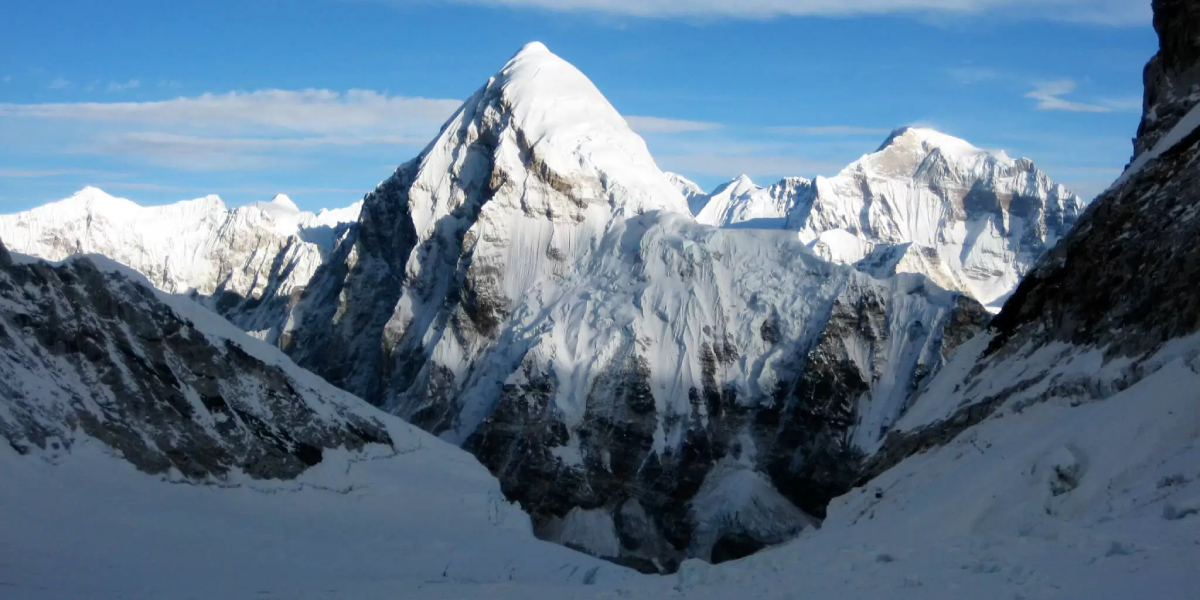
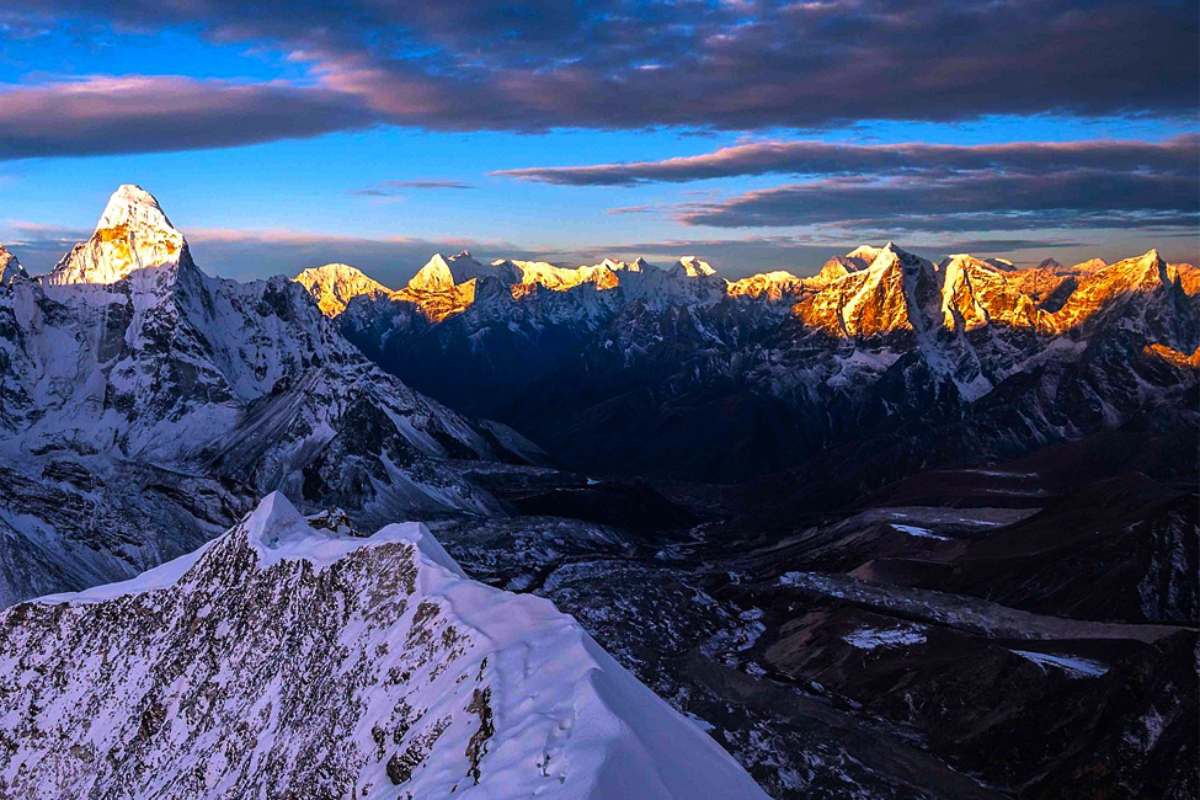
Early December is often considered one of the safer windows for climbing Island Peak. After the monsoon season, the skies are typically clear, offering uninterrupted views of Everest, Lhotse, and Ama Dablam. This clarity not only enhances the trekking experience but also helps climbers navigate the terrain more confidently.
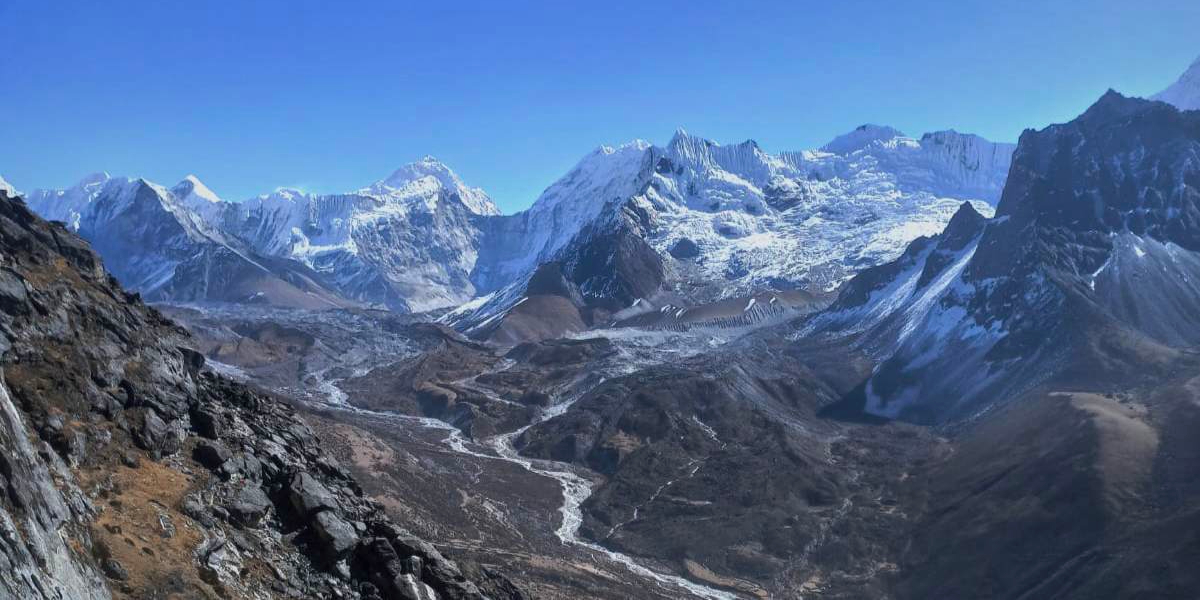
Weather and Temperature: Early December brings cold temperatures, particularly at night, but daytime conditions are generally manageable. The snow is usually consolidated, reducing the risk of avalanches, and the winds are calmer than later in the month.
Safety: Lower wind speeds and moderate snow conditions make it easier for climbers, especially those with limited technical climbing experience. Camps are more secure and the trek routes are less slippery compared to late December.
Crowds and Acclimatization: Early December sees fewer trekkers, meaning a quieter experience with better access to lodges and teahouses. Slightly longer days allow for safer acclimatization, reducing the risk of altitude sickness.
Late December: Intensifying Winter and Higher Risks
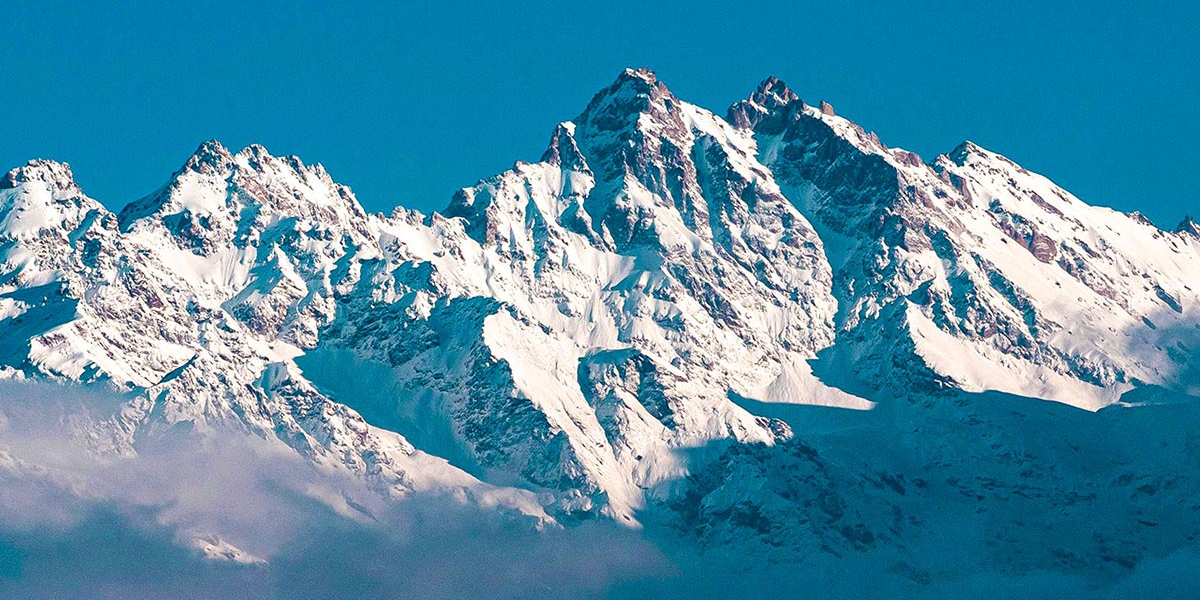
By late December, Island Peak climbs enter the full Himalayan winter. Temperatures plunge sharply, and weather becomes more unpredictable. Snowfall can increase, creating slippery paths and hidden ice patches, while stronger winds at higher altitudes challenge even experienced climbers.
Weather and Temperature: Expect sub-zero temperatures at base camp and extreme cold higher up. Early morning and night temperatures can drop to dangerously low levels, demanding high-quality winter gear and proper layering.
Safety Considerations: The increased risk of frostbite, slips and altitude-related issues means that late December climbs are better suited for seasoned climbers or those with strong guidance from professional mountaineering teams. Camp setups may require additional precautions and sudden weather changes can force delays or route adjustments.
Crowds and Trekking Experience: While late December has fewer climbers, the harsh conditions can overshadow the serenity. Shorter daylight hours also mean limited time for climbing or acclimatization, making careful planning essential.
Key Preparation Tips for December Climbs
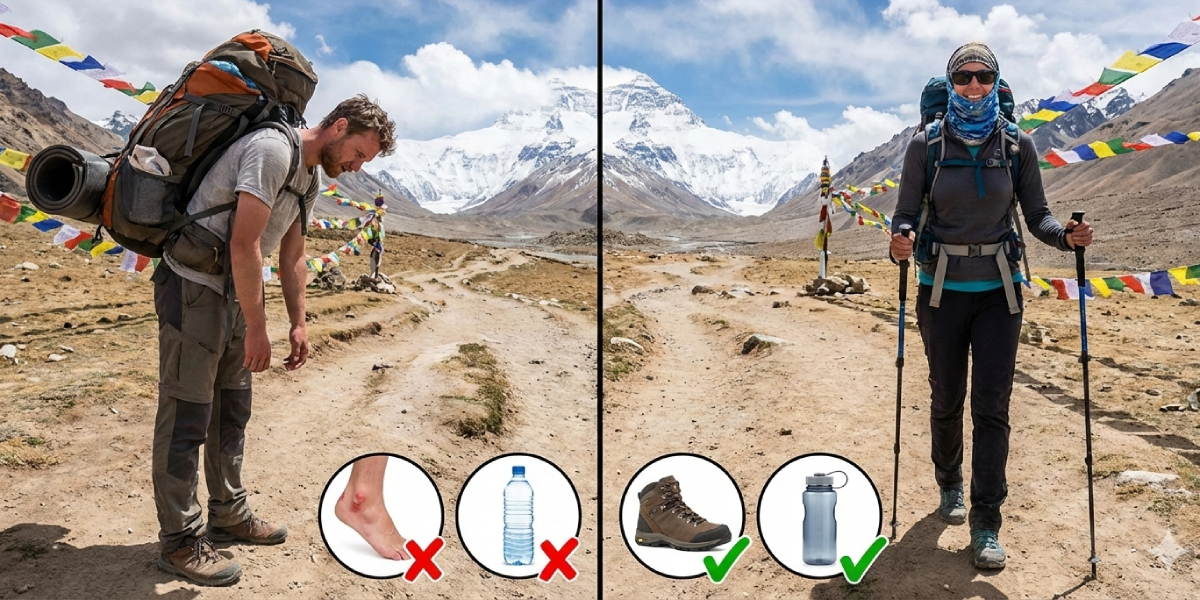
- Gear Up: High-quality insulated clothing, climbing boots, crampons and gloves are non-negotiable, especially for late December.
- Acclimatize Properly: Spend extra days at intermediate camps to prevent altitude sickness.
- Check Weather Forecasts: Daily updates can be lifesaving in winter conditions.
- Hire Experienced Guides: Professional support ensures safer navigation on icy sections.
- Stay Flexible: Be prepared to adjust your schedule if weather conditions turn unfavorable.
Which Window is Safer?
Considering safety, weather stability and trekking ease, early December generally offers a safer climbing window. However, climbers aiming for a quieter experience or a winter challenge may choose late December if adequately prepared. In all cases, expert guidance, proper acclimatization and high-quality gear are essential.
Plan Your Island Peak Climb
For a complete guide on climbing Island Peak, including detailed itineraries, safety advice and expert recommendations, visit Island Peak Climbing. Planning ahead is key to ensuring a safe and memorable Himalayan adventure.