Annapurna Circuit Trek Villages: Culture, Local Life and Hidden Stops Most Trekkers Miss
Discovering the Hidden Side of the Annapurna Circuit Trek
When people think about the Annapurna Circuit Trek, the first images that come to mind are probably towering snow-capped mountains, thrilling high passes and endless winding trails. But there’s a quieter, more colorful side to this trek that many travelers miss. The villages along the way. These villages are where real life happens, where centuries-old traditions survive and where the warm smiles of local people make the journey unforgettable. Walking through them is like stepping into a different world, far from the busy streets of Kathmandu or Pokhara.
Lower Hill Villages: Life in Green Landscapes
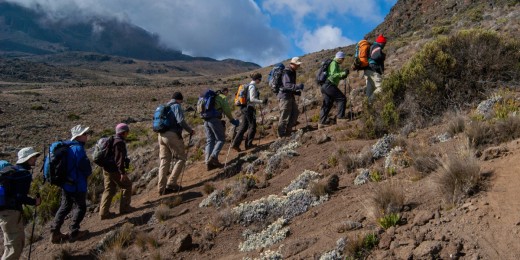
The trek starts in the lower hills of Lamjung and gradually climbs into higher regions. In the beginning, the villages are full of greenery and farms. Places like Besisahar, Jagat and Chame show trekkers what life is like in rural Nepal. You will see stone houses with slate roofs, small local markets selling fresh vegetables and children running around in school uniforms. These communities are mostly made up of Gurung, Chhetri and Brahmin families. Farming is the main occupation here and the rhythm of life is closely connected to the seasons. Walking through these villages, you can often hear the soft clanging of cows or the laughter of children playing in open fields.
High-Altitude Villages: Tibetan Influence and Spiritual Life
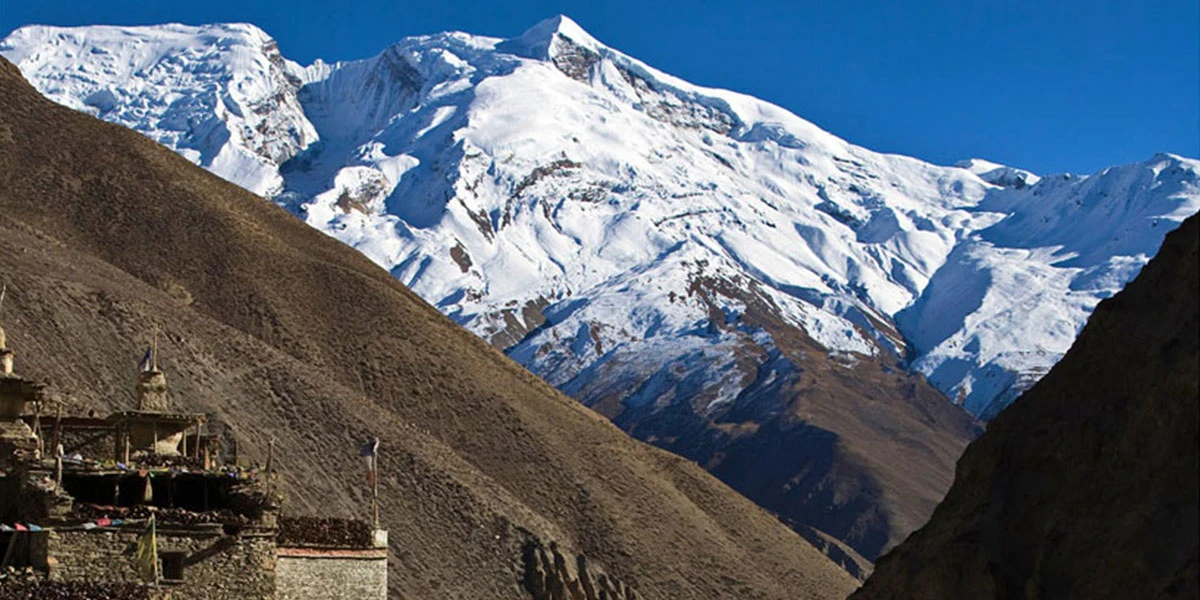
As the trek rises higher, the villages begin to change. The architecture, culture and even the food start reflecting a stronger Tibetan influence. Villages like Manang, Braga and Ngawal are quiet, peaceful and surrounded by rugged mountains. Life here is tougher because the weather is colder and the land is rocky but the locals are hardy and welcoming. You’ll notice monasteries, prayer flags and chortens along the trails, showing how deeply Buddhism shapes daily life. People herd yaks, trade with nearby villages and grow barley or potatoes on terraces carved into the hills. Spending time in these villages gives trekkers a sense of how people survive and thrive in high-altitude regions.
Mustang Valley Villages: Preserving Ancient Tibetan Culture
One of the most fascinating parts of the Annapurna Circuit is Mustang Valley, sometimes called Upper Mustang. This region has long been isolated, which means it has kept much of its ancient Tibetan culture intact. Villages like Lo Manthang, Ghami and Tangye are small and peaceful, with mud-walled houses, narrow alleys and vibrant prayer wheels spinning in the wind. The streets feel frozen in time and walking through them is like exploring an open-air museum. Mustang’s people celebrate festivals, perform traditional dances and maintain practices that have been passed down for generations. Because fewer trekkers visit these villages, the experience feels authentic and personal.
Food on the Annapurna Circuit Trek
Food is another way to understand village life on the Annapurna Circuit. Each village has its own specialties, often made with ingredients grown locally. You might try dal bhat, the traditional lentil and rice meal served with pickles and vegetables. Higher up, especially in Mustang and Manang, thukpa (noodle soup), momos (dumplings) and butter tea are common. Sharing a meal with locals or watching them prepare food gives trekkers insight into daily life and traditions.
Daily Life and Local Traditions
While trekking, you will notice that life in these villages revolves around simple, practical routines. People rise early, tend to their animals, work in the fields or perform chores at home. Festivals, rituals and prayers happen throughout the year and if you’re lucky, you might witness a local celebration, a religious procession or the lighting of lamps at a monastery. The villages feel like communities where everyone knows each other and visitors are treated with genuine curiosity and kindness.
Key Highlights of Annapurna Circuit Villages
Here are some important things trekkers can notice in the villages along the Annapurna Circuit Trek:
- Architecture: From stone houses with slate roofs in the lower hills to mud-walled homes with wooden windows in Mustang.
- Daily life: Farming, yak herding, weaving and trading.
- Religion and rituals: Buddhist monasteries, chortens and prayer flags.
- Cuisine: Every village offers unique flavors, from simple dal bhat to buttery tea.
- Local crafts: Handicrafts, textiles and traditional clothing.
Why Villages Make the Trek Memorable
Spending time in these villages reminds trekkers to slow down and appreciate small moments. The trek isn’t just about conquering mountains or completing a challenging route, it’s about experiencing the human side of the Himalayas. A brief chat with a local farmer, sharing tea in a small teahouse or watching children play in the snow can leave memories that last longer than any mountain view.
Connecting with Local Life on the Annapurna Circuit Trek
Most trekkers rush past smaller stops, eager to reach highlights like Thorong La Pass or the Kali Gandaki Valley. But the hidden gems lie in these villages, tucked between peaks and valleys. Observing local life, hearing traditional stories or attending a festival can make the trek richer and more meaningful.
In the end, the Annapurna Circuit Trek is as much about people as it is about mountains. The villages offer a rare glimpse into how humans live in harmony with nature, maintaining culture and traditions in one of the world’s most challenging environments. By paying attention to the villages, trekkers gain a deeper understanding of Nepal beyond its peaks; they see resilience, community and centuries of history etched into everyday life.
Take Your Time and Explore the Villages
So, the next time you lace up your trekking boots for the Annapurna Circuit, don’t just count the kilometers or admire the snow-capped summits. Pause at the villages, explore the narrow streets, savor the food and talk to the locals. These moments are the heart of the trek and what most people miss but they are also what make the Annapurna Circuit truly unforgettable.