Mountaineering Boots & Crampons: Essential Footwear for Lobuche Peak in December Snow
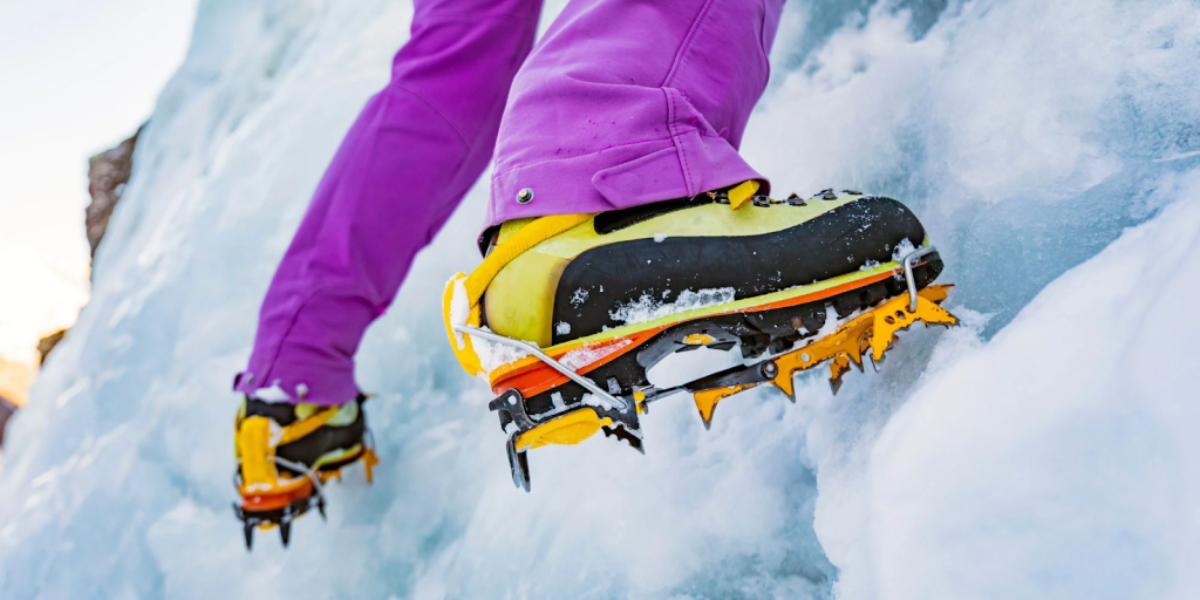
Mountaineering boots and crampons form the foundation of safe footwear for December ascents of Lobuche Peak, providing critical insulation against biting cold and superior grip on icy slopes up to 6,119 meters. In this harsh winter season, heavy snowfall transforms the route into a frozen challenge with sub-zero temperatures, high winds and steep glacier sections that demand rigid, crampon-compatible boots to prevent slips and frostbite. Choosing the right pair boosts confidence, reduces the risk of injury and increases your chances of summiting this thrilling 6000er near Everest Base Camp.
December Challenges on Lobuche Peak
Winter conditions peak in December with deep snow accumulation, avalanche risks and ice-hardened traverses, making standard trekking boots insufficient. Temperatures can plummet below -20°C on summit day, requiring boots with multi-layer insulation to keep feet functional during 10+ hour pushes from high camp. Crampons become essential for front-pointing on 45–60 degree faces where loose snow hides crevasse threats and wind-scoured ice demands precise traction.
Key Features of Ideal Mountaineering Boots
Prioritize double- or triple-insulated boots rated for 8000m expeditions featuring stiff soles for crampon binding and gaiter-compatible cuffs to seal out powder. These boots should include heat-moldable liners for a custom fit, waterproof membranes and rubber randing for durability against rocky scrambles. Medium-weight wool socks can be worn inside while overboots add extra warmth at camp. Always check for a secure heel lock to avoid blisters on long approaches.
Recommended Boots for Lobuche Climbers
Opt for proven models tailored to Nepal's high-altitude peaks and break them in during acclimatization treks such as Everest Base Camp.
- La Sportiva G2 SM or Baruntse: Rigid for technical ice with excellent warmth retention during overnight bivouacs.
- Scarpa Phantom Tech 6000: Balances weight and insulation; ideal for mixed snow-rock sections on Lobuche East.
- La Sportiva Olympus Mons: Top-tier for extreme cold, supporting front-pointing without sole flex.
Layer with vapor-barrier liners if you are prone to cold feet and carry spare insoles for mid-trip adjustments.
Choosing and Using Crampons Effectively
Select 12-point steel crampons with anti-balling plates to shed December’s wet snow, ensuring they match your boot’s welts precisely. Semi-automatic straps suit most double boots. Practice flat-footing on traverses and front-pointing on steep slopes. Always sharpen points pre-trip for reliable bite on hard ice. Pair with an ice axe for self-arrest and use leashes to prevent drops on fixed rope sections.
Maintenance and Preparation Tips
Break in your full setup on Gorak Shep glacier walks, apply boot wax to repel moisture and check crampon fit weekly. Store gear dry in Kathmandu upon arrival, layering with gaiters and down pants for base camp chill. For EverestTrekkers.com trips, expert guides verify gear compatibility. Book December guided slots early; gear rentals are available. Train foot strength via stair climbs in full kit to simulate summit fatigue.