Beating the Snow: Best Lower Altitude Alternatives on the Annapurna Circuit in Winter
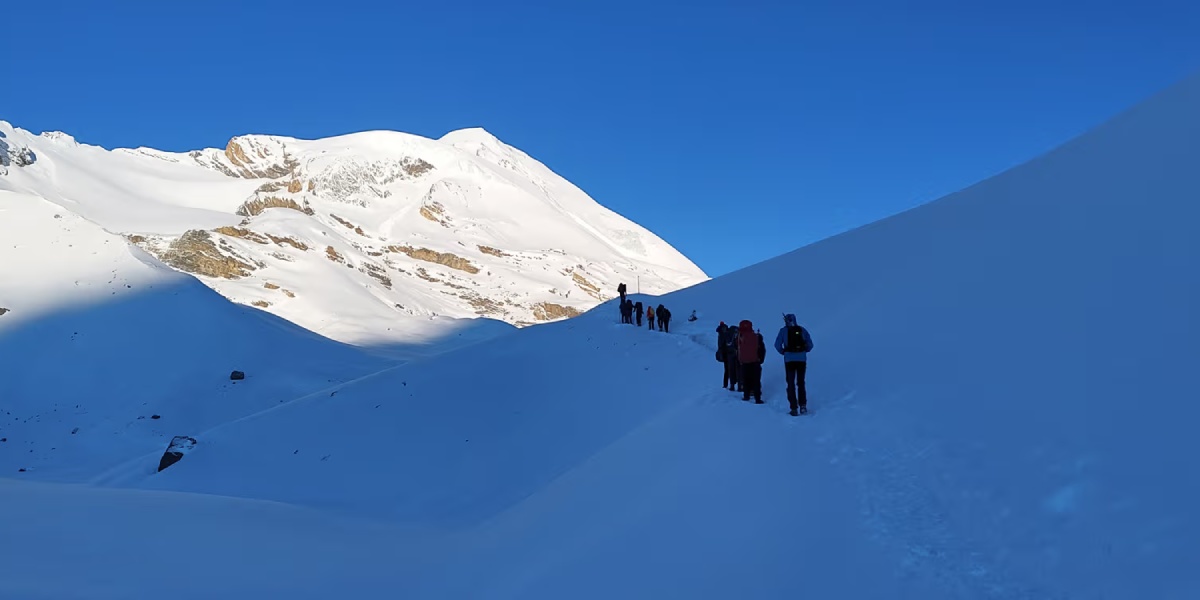
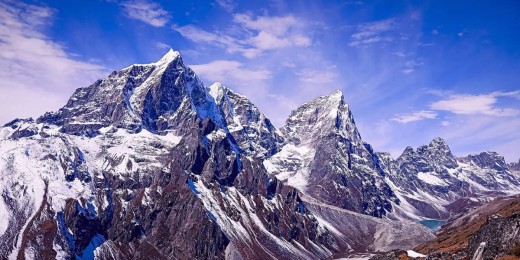
Winter in Nepal can be magical. Quiet trails, snowy peaks, and untouched landscapes draw adventurers who don’t mind cold nights and crisp mornings. But for the classic Annapurna Circuit Trek, the high passes like Thorong La (5,416 m) become snow‑covered and risky from December through February. That doesn’t mean you should ditch the Annapurna region altogether. There are several stunning lower‑altitude routes and segments worth exploring.
If you’re curious about the classic Annapurna Circuit and what it involves before we dive into winter alternatives, you can check a full description of the trek here: Annapurna Circuit Trek.
Why Full Annapurna Circuit Is Tough in Winter
The full Annapurna Circuit loops around the Annapurna Massif and usually crosses high alpine terrain, shifting from tropical valleys near Besisahar to snow zones above Manang. The trek is traditionally done in 12–20 days during spring and autumn.
Winter brings deep snow, icy trails and low temperatures at higher elevations. Teahouses above 3,000 meters can close and the Thorong La Pass often becomes difficult or impassable without technical gear and winter trekking experience. That’s why many trekkers either delay this adventure or choose lower routes.
Best Lower Altitude Routes Around Annapurna for Winter
Here are excellent winter alternatives that still showcase Annapurna’s magic without high passes and deep snow.
1. Ghorepani Poon Hill Trek
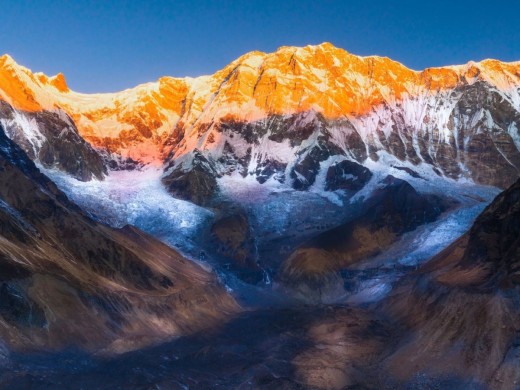
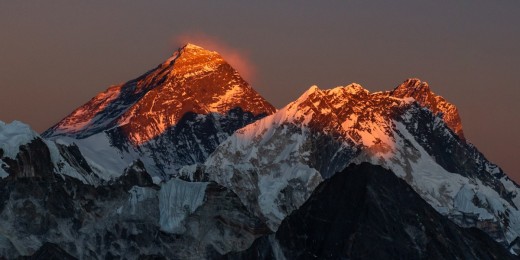
This classic trek is perfect for winter. The highest point, Poon Hill, sits around 3,210 m, low enough that most of the route stays clear even in cold months. You’ll walk through pine forests and traditional Gurung villages and be rewarded with jaw‑dropping sunrise views of Annapurna, Dhaulagiri and Machhapuchhre.
Poon Hill has great vibe in winter because it’s shorter, easy to navigate and teahouses stay open. The panoramic mountain views against snowy peaks make it one of the best sights in the Annapurna region.
2. Mardi Himal Trek
If you want something a bit more off the main trail, the Mardi Himal Trek is a great choice. It climbs through forests and ridge lines that feel wild and peaceful in winter. Even though parts of this route reach higher than Poon Hill, the overall altitude is still much more manageable than routes crossing Thorong La.
This trek gives close views of Machhapuchhre (Fishtail) and Annapurna South without heavy snow for most of the season. Teahouses are open through winter and hikes can be tuned to your fitness level.
3. Khopra Ridge (Khopra Danda) Trek
Khopra Ridge sits at around 3,660 m and has become a favorite winter option in Annapurna. It’s peaceful, less crowded and teahouses are usually operating in winter because the route stays below heavy snow zones until late in the season.
From the ridge, sunrise and sunset views are spectacular with sweeping panoramas of Dhaulagiri, Annapurna South and the Kali Gandaki Valley. If snow reaches higher, this route still remains more accessible than crossing major passes.
4. Muldai Viewpoint Trek
Not as famous as Poon Hill but equally rewarding, Muldai Viewpoint stands around 3,600 m and offers wild, panoramic views across the mountains. With lower altitude and steady winter trails, this trek is ideal for adventurers who want stunning scenery without rugged high‑altitude days.
It’s a great choice for a 4–6 day trek that highlights culture and landscape without snow‑covered passes blocking the way.
5. Royal Trek or Panchase Trek
For something super easy and mostly cultural, the Royal Trek or the Panchase Trek near Pokhara are excellent winter options. Trekking here means elevations under 2,500 m, gentle walking and gorgeous views of Annapurna and Machhapuchhre from afar.
These aren’t as high or dramatic as the full circuit but they’re perfect if your time is short or snow is keeping you away from alpine areas.
Smart Tips for Winter Trekking
To make winter trekking safe and fun:
- Layer up with warm clothes. Even at lower altitudes, cold winds and nights are brutally cold.
- Get accurate weather updates before heading up especially above 3,000 m.
- Choose routes with open teahouses these give shelter and comfort if snow arrives suddenly.
- Consider hiring a local guide especially if you’re new to Nepal’s mountain weather.